Yerba Mate and Gymnema Sylvestre create a powerful dual-action botanical combination for appetite control. One targets physiological hunger through satiety hormones and metabolic drive. The other targets sugar cravings by directly blocking sweet taste receptors on the tongue. Together they create comprehensive appetite support that addresses the two most common reasons people overeat: genuine hunger and carbohydrate cravings.
Most appetite-support products focus on a single mechanism — usually caffeine-driven appetite suppression that wears off in hours and leaves you jittery. The Yerba Mate and Gymnema combination works differently because it targets two distinct biological pathways simultaneously: hormonal satiety and taste receptor modulation. That dual action is what makes this pairing worth understanding.
Yerba Mate: A Deep History of Use
Yerba Mate (Ilex paraguariensis) is not a recent wellness trend. Indigenous Guarani people in South America have used it for centuries — long before it appeared in supplement capsules or tea blends. In Paraguay, Argentina, Uruguay, and southern Brazil, Yerba Mate is a daily cultural ritual shared among families and communities. It is sipped from a gourd through a metal straw called a bombilla, often passed around a circle as a social practice.
The Guarani recognized Yerba Mate’s ability to sustain energy during long hunts and reduce hunger during periods of food scarcity. They called it “the drink of the gods” — not as marketing, but as a reflection of how central it was to daily survival and community life. European colonizers documented its use as early as the 16th century, and Jesuit missionaries eventually began cultivating it commercially.
Today, Yerba Mate remains the most consumed beverage in several South American countries, outpacing coffee and conventional tea. Its cultural significance goes beyond nutrition — it represents hospitality, community, and resilience. The fact that it has survived centuries of daily use across entire populations speaks to both its safety profile and its functional value.
Yerba Mate: Appetite + Energy Mechanisms
Yerba Mate provides clean, sustained energy and supports GLP-1 satiety hormones. Studies suggest it reduces appetite and increases fat oxidation through several interconnected mechanisms:
GLP-1 support. Research indicates that Yerba Mate consumption stimulates the release of GLP-1 (glucagon-like peptide-1), a hormone produced in the gut that signals fullness to the brain and slows gastric emptying. This is the same hormonal pathway targeted by prescription GLP-1 receptor agonist medications, though Yerba Mate works at a much gentler, food-based level. The result is a natural reduction in appetite that does not feel forced or artificial — you simply feel satisfied sooner and stay satisfied longer.
Thermogenesis and fat oxidation. Yerba Mate contains a combination of caffeine, theobromine, and chlorogenic acids that work together to increase energy expenditure and support fat oxidation. Studies suggest that Yerba Mate may enhance the body’s ability to use stored fat as fuel during physical activity, making it a useful companion to exercise.
Sustained energy without crashes. Unlike coffee, which delivers caffeine in a single sharp spike, Yerba Mate provides a more balanced energy profile. It contains both caffeine and theobromine (also found in dark chocolate), which together produce alertness without the anxiety or crash that many people experience with coffee. This sustained energy supports both physical activity and the mental focus needed to make consistent dietary decisions throughout the day.
Antioxidant density. Yerba Mate is exceptionally rich in polyphenols and antioxidant compounds — research suggests it contains more antioxidants than green tea. While antioxidants are not directly tied to weight loss, they support overall metabolic health and reduce inflammation, which can interfere with healthy metabolic function when chronically elevated.
Gymnema Sylvestre: A 2,000-Year Ayurvedic Tradition
Gymnema Sylvestre has been used in Ayurvedic medicine for over 2,000 years. Its Hindi name is “Gurmar,” which translates literally to “destroyer of sugar.” That name was not given lightly — it describes exactly what the plant does when its leaves contact the tongue.
In traditional Ayurvedic practice, Gymnema was prescribed for what practitioners called “honey urine” — a condition we now recognize as diabetes or pre-diabetes. Ancient healers observed that chewing Gymnema leaves reduced the desire for sweet foods and helped regulate the body’s response to sugar. Centuries before modern blood glucose monitors existed, Ayurvedic practitioners had identified a botanical that modulates both taste perception and sugar metabolism.
The plant is a woody climbing shrub native to the tropical forests of India, Africa, and Australia. Its active compounds, called gymnemic acids, have a molecular structure remarkably similar to glucose. This structural similarity is the key to how Gymnema works — the gymnemic acids compete with sugar molecules for receptor sites on both the tongue and in the intestinal wall.
Gymnema: Craving Control Mechanisms
Gymnema reduces sugar cravings through two distinct mechanisms that work at different points in the digestive process:
Sweet taste receptor blocking. When gymnemic acids contact the taste buds, they temporarily block the receptors responsible for detecting sweetness. The effect lasts one to two hours after consumption. During that window, sweet foods taste bland or muted — a cookie tastes like cardboard, a candy bar tastes like wax. This is not willpower; it is biochemistry. When sweet foods stop tasting rewarding, the craving loop that drives overconsumption simply does not fire.
Sugar absorption reduction. Gymnemic acids also bind to receptors in the intestinal wall that are responsible for absorbing glucose. Research suggests this can reduce the amount of sugar that enters the bloodstream from a meal, which helps prevent the insulin spikes and subsequent crashes that trigger more cravings. The result is more stable blood sugar after eating, which translates to fewer hunger rebounds and less urge to snack between meals.
Insulin sensitivity support. Some studies suggest that Gymnema may support healthy insulin function over time, helping the body process glucose more efficiently. This is particularly relevant for people whose appetite issues are driven by insulin resistance or blood sugar dysregulation — a pattern that is extremely common in the modern diet.
The Synergy Effect: Why These Two Work Better Together
Yerba Mate handles hunger. Gymnema handles cravings. These are different problems with different biological drivers, and addressing both simultaneously is what makes this combination more effective than either botanical alone.
Consider the typical pattern of someone trying to manage their appetite: they skip a snack successfully (hunger management), but then encounter a plate of cookies at 3 PM and the craving overwhelms their resolve (craving failure). Or the reverse — they resist the cookies but feel genuinely, physiologically hungry an hour later because nothing addressed the hormonal hunger signals.
Looking for a functional tea with these ingredients?
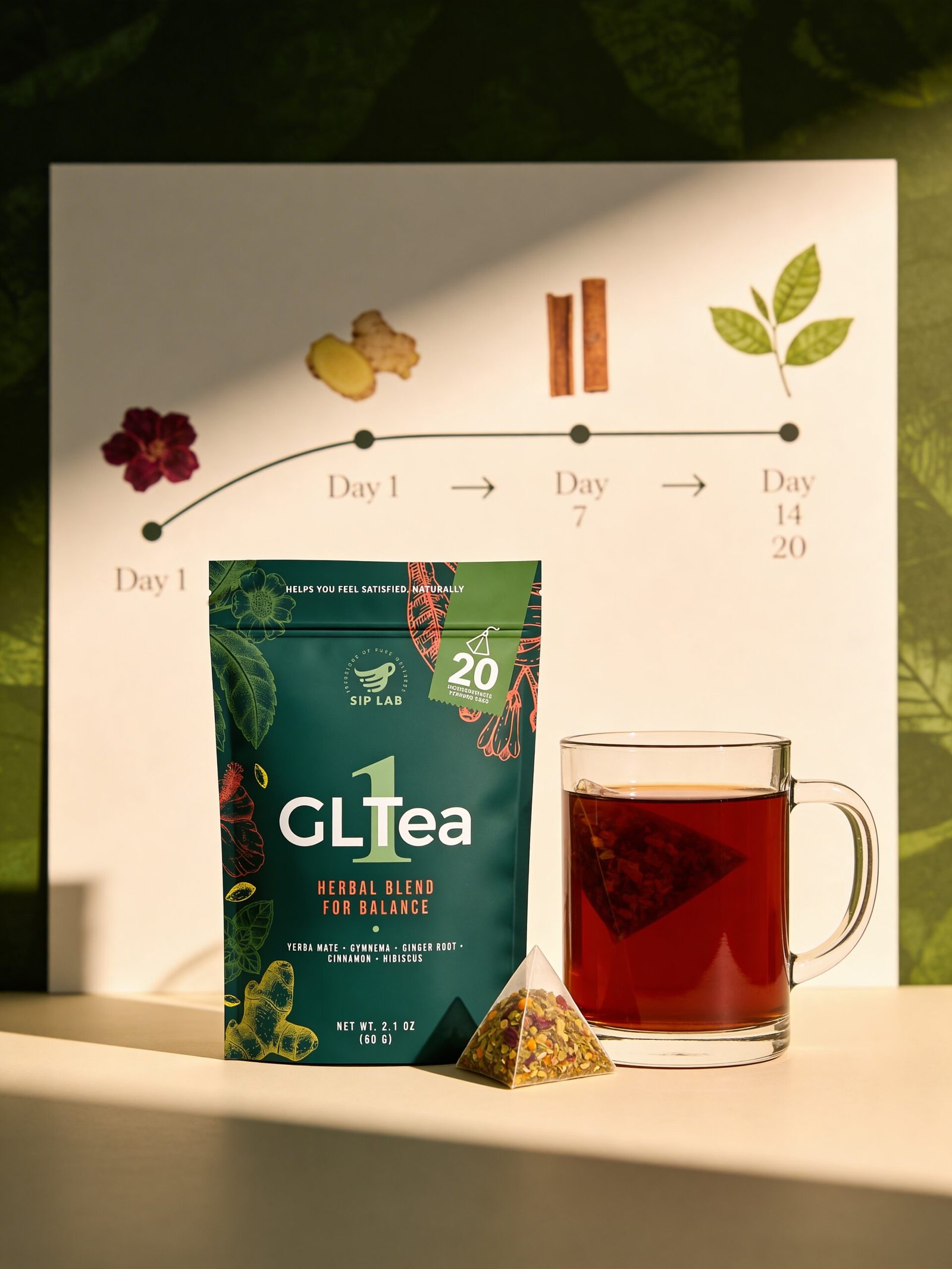
GLTea-1 combines yerba mate, gymnema, ginger, cinnamon, and hibiscus in a single daily cup. Learn more or shop on Amazon.
The Yerba Mate and Gymnema pairing covers both scenarios:
- Yerba Mate addresses physiological hunger through GLP-1 support, delayed gastric emptying, and sustained energy that prevents the fatigue-driven eating many people mistake for hunger.
- Gymnema addresses craving-driven eating by making sweet foods less appealing at the taste-receptor level and by stabilizing the blood sugar patterns that generate cravings in the first place.
Together, they reduce total calorie intake and make portion control easier without the willpower battles that cause most dietary approaches to fail. This is not about suppressing your appetite artificially — it is about supporting the biological systems that regulate how much you want to eat. For a broader look at how different botanicals support appetite control, see our best weight loss tea guide.
What the Research Suggests
Both Yerba Mate and Gymnema have been studied in controlled settings, though the research landscape is still developing. Here is what the evidence currently supports:
Yerba Mate studies consistently show increased satiety, reduced appetite, and enhanced fat oxidation. Several controlled trials have demonstrated that Yerba Mate consumption before meals reduces caloric intake and increases subjective feelings of fullness. Animal studies suggest GLP-1 involvement, and human studies support the appetite-reducing effects, though more large-scale clinical trials would strengthen the evidence base.
Gymnema studies show reduced sugar intake and cravings in multiple trials. Research has demonstrated the sweet taste-blocking effect is reliable and reproducible. Studies on blood sugar regulation show promising results for Gymnema’s ability to reduce glucose absorption and support insulin function. The botanical has an excellent safety profile in the published literature, consistent with its centuries of traditional use.
Combining the two has not been extensively studied as a specific pair in clinical trials, but the mechanisms are complementary and non-competing. There is no known interaction between the two, and their combined use is well-established in traditional practice and modern supplementation.
Best Way to Use the Combo
- Morning: Yerba Mate for energy and appetite control to start the day with stable satiety
- Afternoon or before meals: Gymnema for craving control, especially before the late-afternoon window when sugar cravings typically peak
- Combined in a single formula: Products like GLTea-1 that include both botanicals simplify the process and ensure consistent daily intake
Consistency matters more than timing. The GLP-1 support from Yerba Mate and the blood sugar regulation from Gymnema both build over days and weeks of regular use. Occasional use will produce some acute effects (energy from Yerba Mate, taste blocking from Gymnema), but the deeper metabolic benefits require daily commitment.
GLTea-1: Dual-Action Formula
GLTea-1 combines Yerba Mate and Gymnema Sylvestre in a single daily tea, plus six additional supporting botanicals for blood sugar stability, thermogenesis, and metabolic support. Every ingredient is listed with its exact dose on the label — no proprietary blends, no hidden fillers.
The formula was designed specifically to deliver the dual-action approach described in this article: hormonal appetite support from Yerba Mate combined with craving control from Gymnema, layered with green tea (EGCG), ginger, Ceylon cinnamon, and other botanicals that reinforce both mechanisms. For a detailed comparison of how GLTea-1 stacks up against other options on the market, see our best weight loss tea comparison.
Bottom Line
If you struggle with both hunger and sugar cravings — and most people do — this dual-action combination is one of the most effective natural approaches available. Yerba Mate addresses the hormonal and metabolic side of appetite. Gymnema addresses the taste-driven and blood sugar side of cravings. Together, they create a comprehensive support system that makes sustainable calorie management significantly easier.
No botanical combination replaces a reasonable diet and consistent physical activity. But the right botanicals, used consistently, can remove the friction that causes most people to abandon their goals. That is what Yerba Mate and Gymnema do best.
Related: GLP-1 Tea: The Complete Guide to Botanical GLP-1 Support
FAQ
Can I take yerba mate and gymnema together?
Yes. Yerba Mate and Gymnema Sylvestre work through different biological mechanisms and do not compete or interact negatively. Taking them together is the entire point of the dual-action approach — Yerba Mate supports satiety hormones and energy, while Gymnema blocks sweet taste receptors and supports blood sugar stability. Many people use them in a combined formula like GLTea-1 for convenience and consistency.
How long does it take for gymnema to reduce sugar cravings?
The taste-blocking effect of Gymnema is almost immediate. When gymnemic acids contact the tongue, sweet taste receptors are suppressed within minutes, and the effect lasts approximately one to two hours. The deeper blood sugar regulation benefits build over days and weeks of consistent use. Most people notice a meaningful reduction in sugar cravings within the first one to two weeks of daily Gymnema consumption.
Does yerba mate have caffeine?
Yes. Yerba Mate contains approximately 70 to 85 milligrams of caffeine per 8-ounce serving, which is comparable to a cup of green tea or a small coffee. However, Yerba Mate also contains theobromine, which modulates the caffeine effect and produces a smoother, more sustained energy experience compared to coffee. Most people find Yerba Mate energizing without the jitteriness or crash associated with high-caffeine beverages.
Can I drink both in one day?
Yes — many people use Yerba Mate in the morning for energy and appetite control, and Gymnema before meals or in the afternoon for craving management. A combined formula like GLTea-1 delivers both in a single daily tea, which simplifies the routine.
Is this combination safe for daily use?
Yes, for most people. Both Yerba Mate and Gymnema have long histories of daily use in their traditional contexts — centuries in both cases. However, people taking glucose-lowering medications should consult a healthcare provider before adding Gymnema, as it may enhance the blood sugar-lowering effects of their medication. Pregnant or nursing individuals should also consult their doctor before use.
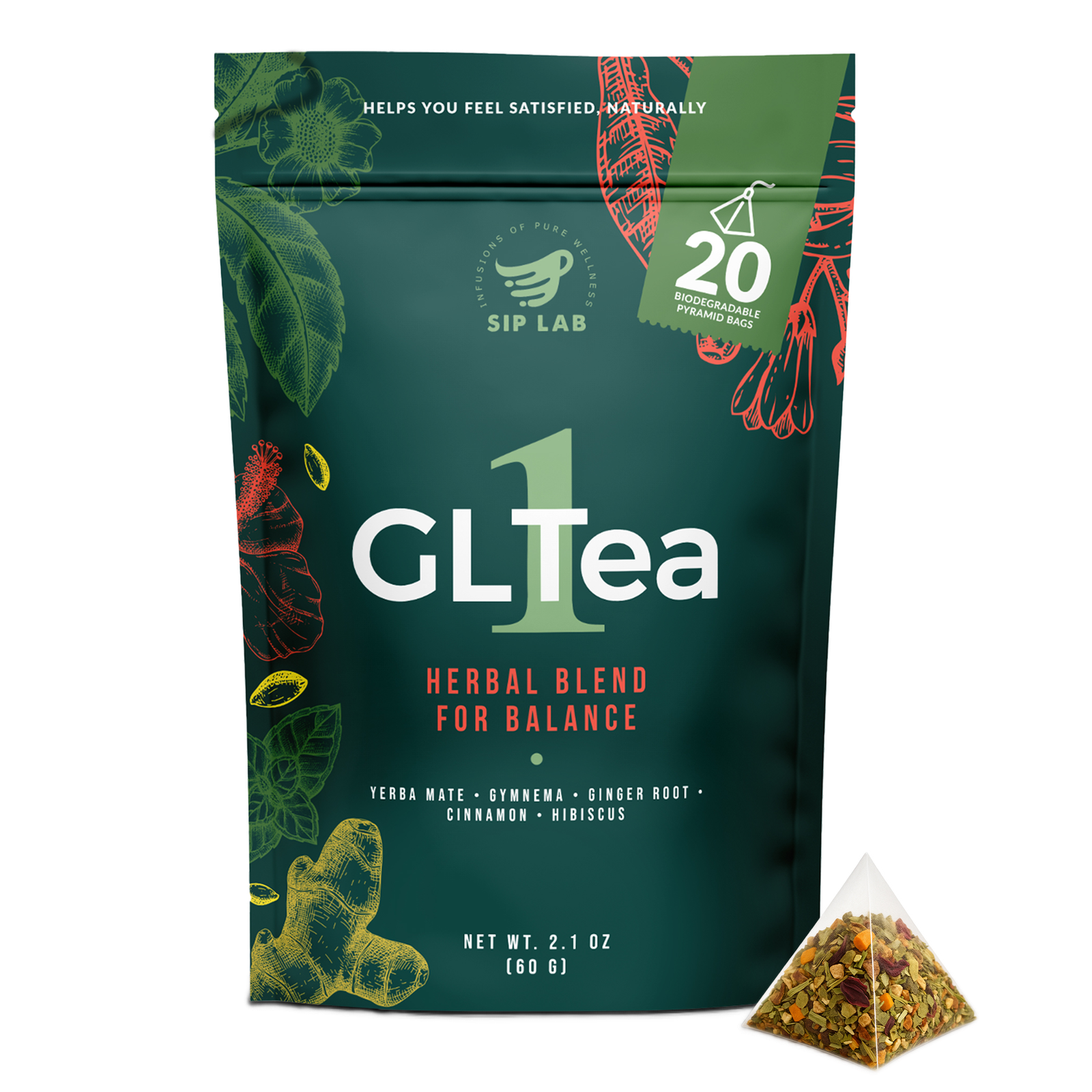
GLTea-1 — Herbal Blend for Balance
Yerba Mate + Gymnema + Ginger Root + Ceylon Cinnamon + Hibiscus
20 biodegradable pyramid bags • $12.99 (on sale) • Under $0.65/cup • No laxatives, no fillers