Your body already makes GLP-1. Every time you eat, specialized cells in your gut release this hormone into your bloodstream, signaling fullness, slowing digestion, and helping regulate blood sugar. The question is not whether your body produces it — the question is how much, and whether you can meaningfully increase that response through food choices alone.
The answer, backed by a growing body of clinical research, is yes. Specific foods, compounds, and eating patterns can enhance your natural GLP-1 secretion. Not to the degree of a pharmaceutical injection — that distinction matters — but enough to support appetite regulation, metabolic health, and sustainable weight management without drugs.
Here is what the science says about building a GLP-1-supportive diet.
How Food Triggers GLP-1 Production
GLP-1 (glucagon-like peptide-1) is produced by L-cells, specialized enteroendocrine cells concentrated in the lower small intestine and colon. When nutrients arrive in the gut, L-cells detect them through specific receptors and respond by releasing GLP-1 into the bloodstream.
Different macronutrients activate L-cells through different molecular pathways:
- Protein — Amino acids like L-phenylalanine and L-tryptophan activate calcium-sensing receptors (CaSR) on L-cells, triggering GLP-1 release. Peptides enter through the peptide transporter PEPT1. Protein is consistently the strongest dietary trigger for GLP-1 secretion.
- Fat — Long-chain fatty acids bind to GPR120 receptors on L-cell surfaces, stimulating GLP-1 release. Unsaturated fats (olive oil, avocado) are more effective stimulators than saturated fats. Monounsaturated and polyunsaturated fatty acids produce a stronger response.
- Fiber — Soluble and fermentable fiber does not directly trigger L-cells in the same way. Instead, gut bacteria ferment fiber into short-chain fatty acids (SCFAs) — primarily butyrate, propionate, and acetate — which bind to FFAR2 (GPR43) and FFAR3 (GPR41) receptors on L-cells, triggering GLP-1 release. This is a slower, sustained mechanism.
- Simple carbohydrates — Glucose enters L-cells through the sodium/glucose co-transporter SGLT1, causing a rapid but short-lived GLP-1 spike. Refined carbs produce a quick burst that fades fast, while complex carbs paired with fiber sustain the response.
The critical finding: a mixed meal containing protein, healthy fat, and fermentable fiber produces significantly more GLP-1 than any single macronutrient alone. The combination matters more than any individual food.
The Top GLP-1-Supportive Foods
High-Protein Foods: The Strongest GLP-1 Trigger
Protein is the single most effective macronutrient for stimulating GLP-1 secretion. Studies comparing postprandial GLP-1 levels after different meals consistently show that protein-rich meals produce the highest hormonal response.
- Eggs — Egg whites are particularly effective for GLP-1 secretion. A 2020 study found that egg protein significantly increased postprandial GLP-1 levels. Whole eggs provide the added benefit of monounsaturated fat, which activates a second GLP-1 pathway simultaneously.
- Fish and seafood — Lean fish like cod, salmon, and tuna deliver high-quality protein that activates L-cell amino acid receptors. Fatty fish add omega-3s, which activate GPR120 on L-cells for a dual mechanism.
- Whey and casein protein — Dairy proteins are among the most studied GLP-1 triggers. Research published in the American Journal of Clinical Nutrition showed that both whey and casein increased GLP-1 secretion, with whey producing a slightly faster response.
- Lean poultry and meat — Chicken, turkey, and lean beef provide complete amino acid profiles. L-phenylalanine and L-tryptophan, abundant in animal proteins, are the specific amino acids that activate CaSR on L-cells.
- Legumes — Lentils, chickpeas, and black beans provide both protein and fermentable fiber, making them dual-action GLP-1 foods. Clinical studies show legumes consistently improve postprandial GLP-1 responses.
Fiber-Rich Foods: Feeding the L-Cell Ecosystem
Fiber works through a different mechanism than protein. Soluble and fermentable fiber is converted by gut bacteria into short-chain fatty acids (SCFAs), which bind to FFAR2 and FFAR3 receptors on L-cells. Studies in mice lacking these receptors showed significantly reduced SCFA-triggered GLP-1 secretion and impaired glucose tolerance, confirming this pathway is essential.
- Oats — Rich in beta-glucan, a soluble fiber that gut bacteria readily ferment into butyrate. Oats also slow gastric emptying, extending the GLP-1 response window.
- Beans, lentils, and chickpeas — Among the highest sources of resistant starch and soluble fiber. They consistently improve postprandial GLP-1 levels in clinical trials.
- Artichokes and asparagus — High in inulin, a prebiotic fiber that selectively feeds beneficial gut bacteria associated with increased SCFA production.
- Leafy greens — Spinach, kale, and Swiss chard provide fiber along with magnesium, which supports insulin sensitivity and may enhance GLP-1 signaling downstream.
- Flaxseed and chia seeds — Dense sources of soluble fiber that form a gel in the gut, slowing nutrient absorption and extending L-cell exposure to nutrients.
Healthy Fats: The Moderate GLP-1 Trigger
Dietary fats activate GLP-1 secretion through GPR120 receptors, with unsaturated fats producing a stronger response than saturated fats. The effect is moderate compared to protein but meaningful when combined with other GLP-1-supportive nutrients.
- Avocado — A 2019 study found that consuming a whole avocado with a meal increased GLP-1 and peptide YY levels while reducing insulin spikes. The combination of monounsaturated fat and fiber makes avocado a particularly effective GLP-1 food.
- Extra virgin olive oil — Rodent studies showed that an olive oil-enriched diet increased GLP-1 secretion, glucose-stimulated insulin secretion, and overall glucose tolerance. The oleic acid in olive oil activates GPR120 on L-cells.
- Nuts — Almonds, walnuts, and pistachios provide unsaturated fats and fiber together. Their slow digestion rate prolongs nutrient contact with L-cells in the lower gut, extending the GLP-1 response.
- Fatty fish — Salmon, mackerel, and sardines provide omega-3 fatty acids that are potent GPR120 activators. This overlaps with their protein benefit, making fatty fish a strong dual-pathway GLP-1 food.
Fermented Foods: Supporting the GLP-1 Microbiome
The gut microbiome is directly involved in GLP-1 production. Beneficial bacteria ferment dietary fiber into SCFAs, which activate L-cells. Fermented foods introduce and support the bacterial populations that drive this process. Regular consumption is associated with increased microbial diversity and enrichment of health-promoting species including Bifidobacterium, Lactobacillus, and Akkermansia.
- Plain yogurt and kefir — Provide live Lactobacillus and Bifidobacterium strains that support SCFA production. Choose unsweetened varieties — added sugar undermines the benefit.
- Kimchi and sauerkraut — Naturally fermented vegetables provide both probiotics and prebiotic fiber from the vegetables themselves. This dual contribution makes them particularly effective for gut-mediated GLP-1 support.
- Miso and tempeh — Fermented soy products that provide protein (L-cell activation) along with beneficial bacteria (microbiome support). Soy protein itself has been shown to increase GLP-1 secretion.
Specific Compounds: Targeted GLP-1 Support
Certain plant compounds have been studied for their direct effects on GLP-1 secretion through mechanisms beyond basic macronutrient sensing.
- EGCG (green tea) — A randomized, double-blinded, placebo-controlled trial found that 500 mg of green tea extract three times daily for 16 weeks significantly increased GLP-1 levels in patients with type 2 diabetes. EGCG may also inhibit DPP-4, the enzyme that breaks down GLP-1, extending its active life in the bloodstream (PLOS ONE, 2014).
- Curcumin (turmeric) — Acts as a direct GLP-1 secretagogue. Research published in the British Journal of Pharmacology showed curcumin stimulated GLP-1 secretion through GPR40/120 receptors in GLUTag cells, improving glucose tolerance in animal models.
- Yerba mate — Supplementation significantly increased GLP-1 gene expression and plasma GLP-1 levels in animal studies. A human trial with overweight women showed that a yerba mate extract increased postprandial GLP-1 concentrations and reduced energy intake at the next meal. The active mechanism involves dihydroferulic acid, a microbial metabolite that directly stimulates GLP-1 production in L-cells (Nutrients, 2025).
- Gymnema sylvestre — Stimulates proglucagon gene expression in the ileum, the precursor to GLP-1. Rat studies showed increased proglucagon expression followed by higher insulin levels, and clinical trials in patients with impaired glucose tolerance showed decreased blood sugar and improved insulin sensitivity (Journal of Medicinal Food, 2017).
- Cinnamon — Helps regulate blood sugar and has been shown to support GLP-1 activity, though the direct secretion evidence is less robust than for curcumin or EGCG.
- Ginger — 6-Gingerol potentiates GLP-1-mediated glucose-stimulated insulin secretion in pancreatic beta-cells. Rather than increasing GLP-1 levels directly, ginger appears to amplify GLP-1’s downstream signaling.
GLP-1-Supportive Foods at a Glance
| Food Category | Top Choices | Primary GLP-1 Mechanism | Strength of Evidence |
|---|---|---|---|
| High-protein | Eggs, fish, whey, legumes | Amino acid activation of CaSR on L-cells | Strong (multiple human trials) |
| Fiber-rich | Oats, beans, artichokes, flaxseed | SCFA production via gut bacteria → FFAR2/FFAR3 | Strong (human + animal) |
| Healthy fats | Avocado, olive oil, nuts, salmon | Fatty acid activation of GPR120 on L-cells | Moderate-strong (human + animal) |
| Fermented foods | Yogurt, kimchi, sauerkraut, kefir | Microbiome support → increased SCFA production | Moderate (indirect pathway) |
| Green tea (EGCG) | Matcha, sencha, green tea extract | Direct L-cell stimulation + DPP-4 inhibition | Moderate (1 RCT + in vitro) |
| Curcumin | Turmeric (with black pepper) | Direct GLP-1 secretagogue via GPR40/120 | Moderate (animal + cell studies) |
| Yerba mate | Mate tea, mate extract | Dihydroferulic acid stimulates L-cells | Moderate (animal + 1 human trial) |
| Ginger | Fresh ginger, ginger tea | Potentiates GLP-1 signaling (not secretion) | Moderate (mechanistic studies) |
A GLP-1-Supportive Daily Meal Plan
This is a practical example of how to structure a day around GLP-1-supportive foods. The goal is not perfection — it is consistent exposure of your L-cells to the nutrients and compounds that stimulate GLP-1 release throughout the day.
Morning (within 1-2 hours of waking):
- 2-3 eggs scrambled with spinach and turmeric
- 1/2 avocado on whole-grain toast
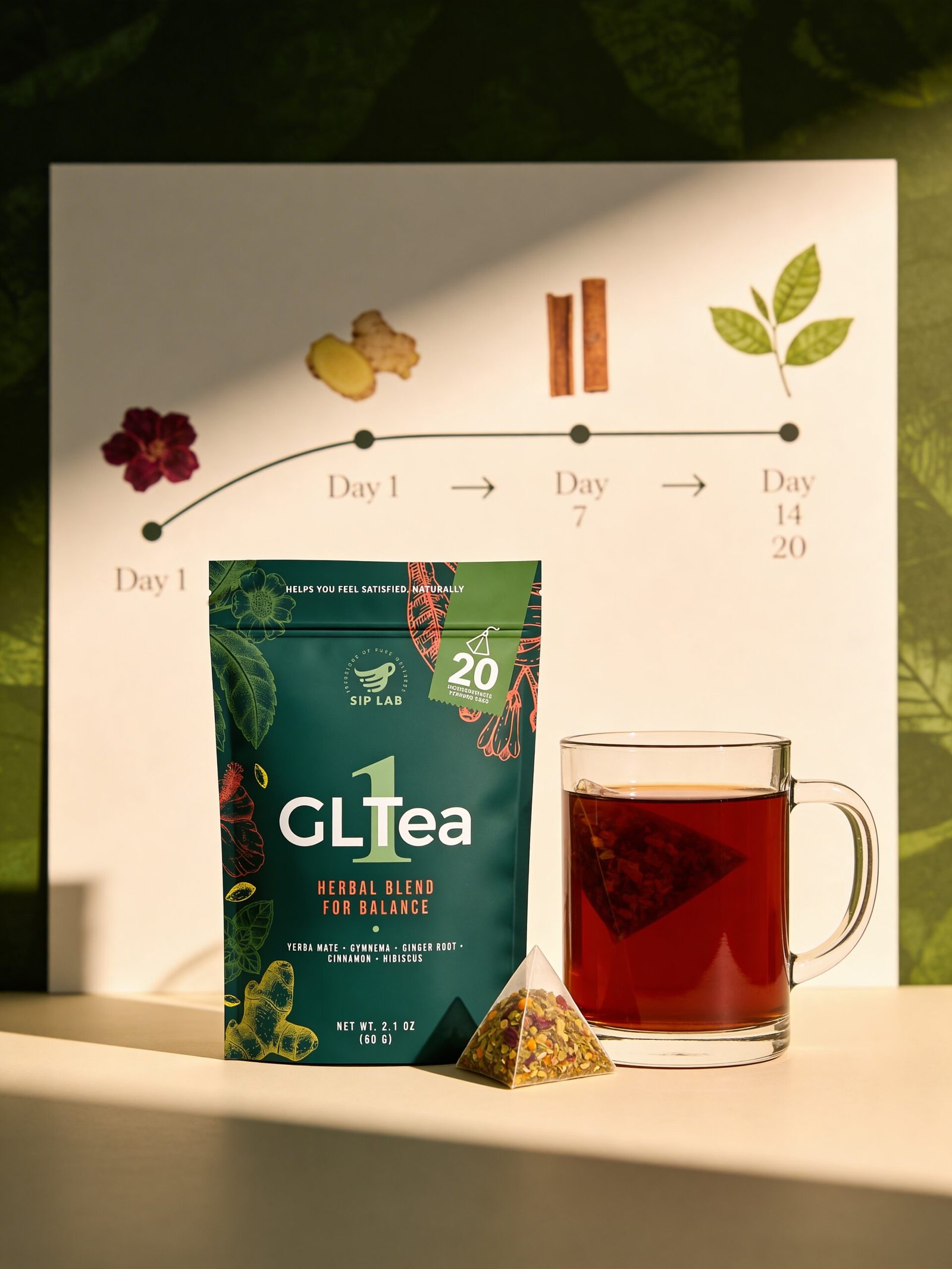
- Green tea or GLTea-1 (yerba mate, gymnema, ginger, cinnamon — four GLP-1-supportive compounds in one cup)
Midday:
- Grilled salmon over a large salad with mixed greens, chickpeas, and olive oil dressing
- Side of kimchi or sauerkraut
Afternoon snack:
- Plain Greek yogurt with a handful of almonds and ground flaxseed
Evening:
- Lentil soup with ginger and cumin
- Steamed vegetables with extra virgin olive oil
- Small portion of lean protein (chicken, fish, or tempeh)
Key principle: eat protein and vegetables before carbohydrates. Research shows that consuming protein and fat before carbohydrates at the same meal produces a lower insulin spike and a higher GLP-1 response compared to eating carbs first. Eating slowly and chewing thoroughly also enhances the GLP-1 response.
What to Avoid: Foods That Undermine GLP-1
Certain dietary patterns actively work against your body’s GLP-1 system. Research involving 72 participants with obesity found that those with high added sugar intake experienced the smallest increase in GLP-1 levels following glucose consumption.
- Refined sugar and sugary drinks — Cause rapid glucose spikes that produce a short, sharp GLP-1 burst followed by a crash. The net effect is worse appetite regulation, not better. The quick spike-and-fade pattern trains your system toward instability.
- Ultra-processed foods — Ready meals, packaged snacks, and fast food typically combine refined carbohydrates, seed oils, emulsifiers, and preservatives. These provide minimal nutritional stimulus for L-cells while disrupting the gut microbiome that supports SCFA-mediated GLP-1 production.
- White bread and refined grains — Stripped of fiber, these foods bypass the slow fermentation pathway entirely. Without fiber, there is no SCFA production and no sustained L-cell activation.
- Excessive alcohol — Disrupts gut barrier integrity and shifts the microbiome away from SCFA-producing species. Chronic alcohol intake is associated with reduced diversity of beneficial bacteria.
- Artificial sweeteners (in excess) — The evidence is mixed, but some studies suggest certain artificial sweeteners may alter gut bacteria composition in ways that could affect GLP-1 signaling. More research is needed here.
Combining Food and Functional Tea
A GLP-1-supportive diet is the foundation. No supplement or tea replaces the need for protein, fiber, healthy fats, and fermented foods at every meal. That said, certain compounds can complement a well-structured diet by providing additional L-cell stimulation between meals or alongside food.
This is the rationale behind functional teas that combine GLP-1-supportive botanicals. Yerba mate increases GLP-1 gene expression and plasma levels. Gymnema sylvestre stimulates proglucagon expression, the precursor to GLP-1. Ginger potentiates GLP-1 signaling in pancreatic beta-cells. Cinnamon supports blood sugar regulation. These are not hypothetical mechanisms — each is supported by published research, though the evidence varies in strength from cell studies to human trials.
The honest framing: a cup of herbal tea will not replicate the effect of a semaglutide injection. Nothing natural will. But as a daily habit layered on top of a GLP-1-supportive diet, the combined effect of multiple gentle mechanisms adds up. It is a strategy of accumulation, not a single magic bullet.
Evidence Snapshot
- Protein and GLP-1: Whey and casein both significantly increased GLP-1 secretion in human subjects. Soy and gluten proteins showed similar effects. — Nutrition Research Reviews (Cambridge)
- SCFAs and L-cells: Short-chain fatty acids stimulated GLP-1 secretion via the FFAR2 receptor. Mice lacking FFAR2 or FFAR3 showed impaired SCFA-triggered GLP-1 release and reduced glucose tolerance. — Diabetes, American Diabetes Association (2012)
- Avocado and GLP-1: Consuming a whole avocado with a meal increased GLP-1 and peptide YY levels while reducing insulin levels. — Nutrients (2019)
- Green tea extract and GLP-1: 500 mg green tea extract three times daily for 16 weeks significantly increased GLP-1 in patients with type 2 diabetes (RCT, n=60). — PLOS ONE (2014)
- Curcumin and GLP-1: Curcumin induced GLP-1 secretion through an oxidation-dependent mechanism in GLUTag cells, improving glucose tolerance in rats. — British Journal of Pharmacology (2019)
- Yerba mate and GLP-1: Mate supplementation increased GLP-1 gene expression and plasma levels. Dihydroferulic acid, a microbial metabolite of ferulic acid in mate, directly stimulated GLP-1 production in L-cells. — Nutrients (2025)
- Gymnema and proglucagon: Gymnema sylvestre extract stimulated proglucagon gene expression in the ileum and increased insulin receptor expression in the pancreas of diabetic rats. — Research Journal of Pharmaceutical Sciences (2020)
- Olive oil and GLP-1: An olive oil-enriched diet increased GLP-1 secretion and glucose tolerance in normal rats. — Annals of Nutrition and Metabolism (2005)
- Food order and GLP-1: Eating protein and fat before carbohydrates at the same meal produced lower insulin and higher GLP-1 responses compared to carbohydrate-first eating patterns. — Diabetes Care, American Diabetes Association
- Gut microbiome and GLP-1: Prebiotics that shift the microbiome toward increased butyrate production are associated with higher GLP-1 levels and improved appetite regulation. — mBio, American Society for Microbiology (2024)
Frequently Asked Questions
What food increases GLP-1 the most?
Protein is the strongest dietary trigger for GLP-1 secretion. Eggs, fish, whey protein, and legumes consistently produce the highest postprandial GLP-1 responses in clinical studies. For maximum effect, combine protein with fiber and healthy fat at the same meal — the synergistic effect of all three macronutrients together produces significantly more GLP-1 than any single one alone.
Can you really increase GLP-1 without medication?
Yes, but the magnitude is different. Dietary strategies can meaningfully increase your body’s natural GLP-1 production — research confirms this across multiple human trials. However, the effect is gentler and more gradual than pharmaceutical GLP-1 receptor agonists like semaglutide, which produce supraphysiological hormone levels. Natural approaches work with your biology to optimize an existing system. Drugs override it.
How long does it take for dietary changes to affect GLP-1 levels?
The direct macronutrient effect is immediate — protein at a meal triggers GLP-1 release within minutes. The microbiome-mediated effect (through fiber, fermented foods, and SCFA production) takes longer. Gut bacteria populations shift over days to weeks with consistent dietary changes. Most studies showing microbiome-related GLP-1 improvements use intervention periods of 4 to 16 weeks.
Does green tea actually increase GLP-1?
One randomized controlled trial showed that 500 mg of green tea extract taken three times daily for 16 weeks significantly increased GLP-1 levels in patients with type 2 diabetes. In vitro studies also showed green tea produced the highest GLP-1 levels among tested extracts. However, not all studies have found a statistically significant effect, and more research is needed to confirm optimal dosing. The evidence is promising but not yet definitive.
Does meal timing matter for GLP-1 production?
Yes. Research shows that eating protein and fat before carbohydrates at the same meal results in a higher GLP-1 response and lower insulin spike compared to eating carbohydrates first. Eating slowly, chewing thoroughly, and maintaining a regular eating schedule within a consistent 12-hour window also support optimal GLP-1 responses. Rushing through a meal reduces the hormonal signal.
Are GLP-1 foods a replacement for GLP-1 medications?
No. GLP-1-supportive foods optimize your body’s natural hormone production, but they cannot replicate the pharmacological effect of drugs like semaglutide or tirzepatide. These medications produce sustained supraphysiological GLP-1 receptor activation that no food or supplement can match. A GLP-1-supportive diet is a valid strategy for people seeking modest, sustainable metabolic improvements without medication — and an excellent complement for those already on GLP-1 drugs — but it is not a substitute for prescribed treatment.
Bottom Line
Your body produces GLP-1 every time you eat. The amount depends on what you eat, how you eat it, and the health of your gut microbiome. A diet built around high-quality protein, fermentable fiber, healthy fats, and fermented foods — eaten in the right order, at a reasonable pace — creates the conditions for optimal natural GLP-1 production. Specific compounds like EGCG, curcumin, yerba mate, gymnema, and ginger provide additional targeted support through distinct mechanisms.
None of this replaces medical treatment for those who need it. But for the millions of people looking to support their metabolic health through food and daily habits, the evidence points clearly toward a GLP-1-supportive diet as a meaningful, sustainable, and accessible strategy.
If you are looking for a simple daily addition that combines several GLP-1-supportive compounds — yerba mate, gymnema sylvestre, ginger, cinnamon, and hibiscus — in a single cup, GLTea-1 was formulated with exactly this research in mind.
*These statements have not been evaluated by the Food and Drug Administration. This product is not intended to diagnose, treat, cure, or prevent any disease. Consult your healthcare provider before starting any new supplement, especially if you are taking medication or managing a medical condition.
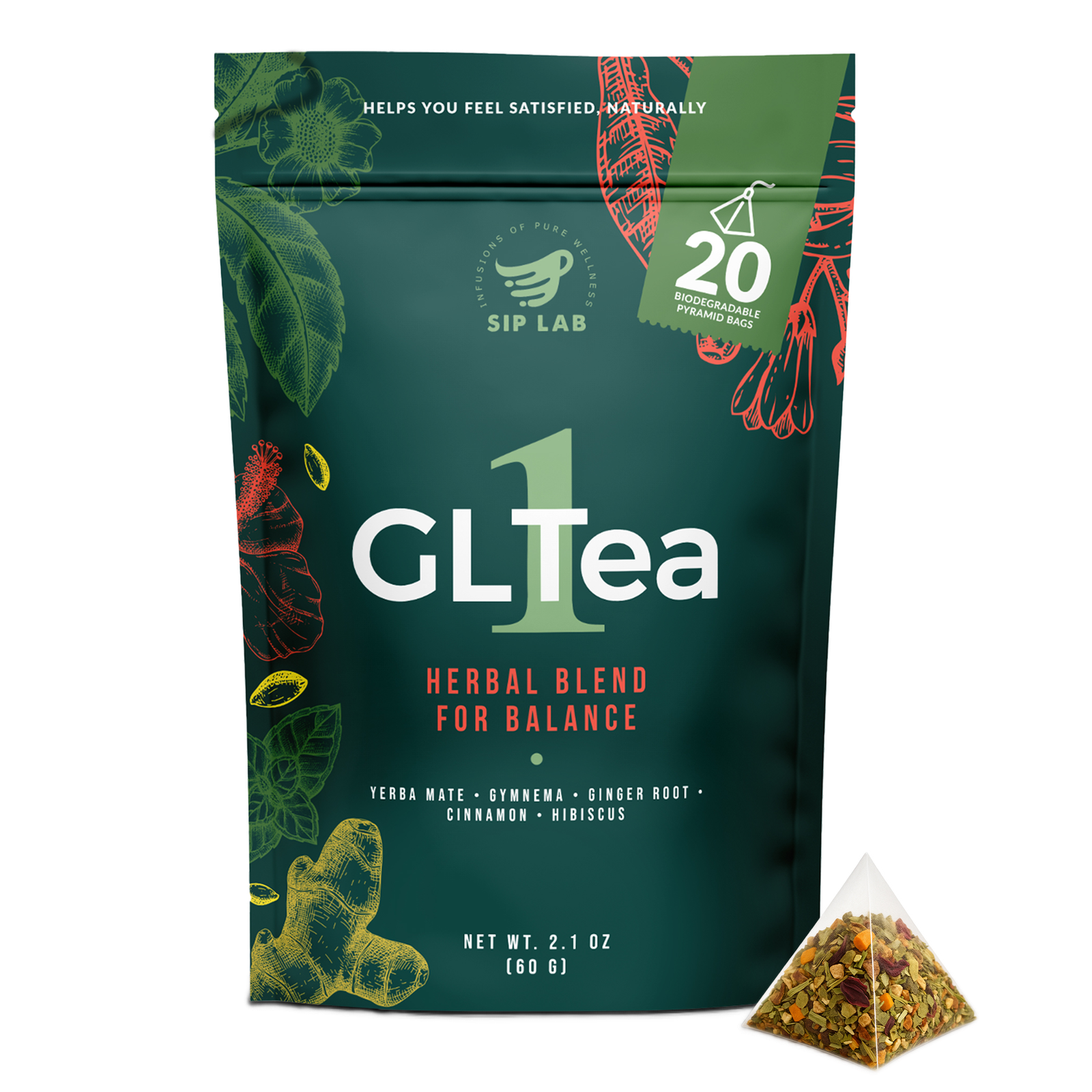
GLTea-1 — Herbal Blend for Balance
Yerba Mate + Gymnema + Ginger Root + Ceylon Cinnamon + Hibiscus
20 biodegradable pyramid bags • $12.99 (on sale) • Under $0.65/cup • No laxatives, no fillers