Matcha provides approximately 2-3 times the EGCG concentration of brewed green tea because you ingest the entire ground leaf rather than steeping and discarding it. A typical cup of matcha delivers 100-140 mg of EGCG compared to 40-80 mg in a standard cup of brewed green tea. This higher catechin dose translates to greater thermogenic and fat-oxidation effects in controlled research settings.
That difference matters if you are trying to use green tea for weight loss. Most of the positive clinical evidence is dose-dependent: the more catechins you consume, the stronger the measured metabolic effects. Matcha is simply a more efficient delivery system for the compounds that drive those effects.
This guide covers what the research actually shows about matcha and weight loss — where the evidence is strong, where it is preliminary, and how much you realistically need.
Matcha vs. Regular Green Tea: Why the Whole Leaf Matters
The single most important difference between matcha and brewed green tea is consumption method. When you brew loose-leaf or bagged green tea, you steep the leaves in hot water, extract a fraction of the bioactive compounds, and then throw the leaves away. Studies estimate that brewing extracts only 20-35% of the total catechins available in the leaf.
Matcha eliminates that problem. The leaves are stone-ground into a fine powder, and you consume the entire leaf suspended in water. Nothing is discarded. Every catechin, every flavonoid, every amino acid in that leaf goes into your body.
This is not a marketing distinction. It is a biochemical one. The Weiss and Anderton (2003) study published in the Journal of Chromatography A found that the concentration of EGCG available from drinking matcha was substantially higher than from steeped green tea — primarily because of whole-leaf consumption rather than any inherent difference in the plant material itself.
EGCG Concentration: The Numbers
EGCG (epigallocatechin gallate) is the catechin most directly linked to fat oxidation and thermogenesis in human studies. Here is how matcha compares to other green tea formats:
| Green Tea Format | EGCG per Serving | Total Catechins per Serving | Caffeine per Serving | L-Theanine per Serving |
|---|---|---|---|---|
| Ceremonial matcha (1 g) | 100-140 mg | 130-170 mg | 60-70 mg | 14-20 mg |
| Culinary matcha (1 g) | 70-110 mg | 100-140 mg | 55-65 mg | 6-12 mg |
| Brewed green tea (1 cup) | 40-80 mg | 60-120 mg | 25-50 mg | 5-8 mg |
| Bottled green tea | 5-25 mg | 10-40 mg | 15-30 mg | Trace |
| Green tea extract (supplement) | 200-400 mg | 300-600 mg | Varies | 0 mg |
The ranges are wide because catechin content varies significantly based on tea cultivar, growing conditions, shade duration, harvest timing, and processing. But the pattern is consistent: matcha delivers substantially more EGCG per serving than brewed green tea, and dramatically more than bottled green tea products.
Note: Green tea extract supplements deliver the highest EGCG per dose but lack L-theanine and come with a small but documented risk of liver stress at high doses. Matcha provides a high catechin dose in a whole-food format with a cleaner safety profile.
Matcha and Fat Oxidation: What the Studies Show
Fat oxidation is the process of breaking down stored fat and converting it into energy. Several studies have measured matcha’s effect on this process directly.
Willems et al. (2018) — The Key Matcha Study
Published in the International Journal of Sport Nutrition and Exercise Metabolism, this randomized crossover study tested 13 women (average age 27) who consumed matcha green tea before a 30-minute brisk walk. The results:
- Fat oxidation increased significantly — from 0.31 g/min in the control group to 0.35 g/min in the matcha group (p < 0.01)
- Respiratory exchange ratio decreased — from 0.84 (control) to 0.82 (matcha), indicating a shift toward fat-burning over carbohydrate-burning (p < 0.01)
- No change in perceived exertion — matcha enhanced fat oxidation without making the exercise feel harder
The researchers concluded that matcha enhances exercise-induced fat oxidation. However — and this is important — they explicitly stated that “the metabolic effects of matcha should not be overstated” when used as part of a walking-based weight loss program. The effect is real. It is also modest.
Venables et al. (2008) — Green Tea Extract and Exercise
This earlier study used green tea extract (not matcha specifically) and found a 17% increase in fat oxidation during moderate cycling at 60% VO2max. The effect was driven by the EGCG-caffeine synergy — each compound alone produced smaller effects than the combination.
Since matcha naturally contains both EGCG and caffeine in the same serving, it provides the same synergistic combination that drove results in this study.
Matcha and Metabolism: Calorie Burn Data
The metabolic effects of green tea catechins have been measured across multiple controlled studies. Because matcha delivers a higher catechin dose per serving, the effects at equivalent consumption levels tend to be proportionally stronger.
- 4% increase in 24-hour energy expenditure — Dulloo et al. (1999) found that green tea extract boosted daily calorie burn by approximately 70-100 calories in a respiratory chamber study. This effect was independent of caffeine content, confirming that catechins drive the thermogenic response (American Journal of Clinical Nutrition).
- 8-10% baseline thermogenesis, up to 35-43% with catechins — A study in the American Journal of Clinical Nutrition found that green tea extract may significantly increase thermogenesis as a percentage of daily energy expenditure.
- Sustained effect over 12 weeks — A 12-week trial of 240 Japanese adults consuming 583 mg of catechins daily (achievable with 3-4 servings of matcha) showed significant decreases in body weight, BMI, body fat mass, waist circumference, and visceral fat area measured by CT scan (Nagao et al., 2007, Obesity).
The honest math: 70-100 extra calories burned per day adds up to roughly 0.5-1 pound of fat loss per month, assuming no compensatory increase in food intake. That is the realistic expectation. Matcha supports a calorie deficit — it does not create one on its own.
How Much Matcha for Weight Loss?
Based on the dosing used in positive clinical trials, the effective range is:
- Minimum effective dose: 1 cup per day (1 g matcha powder) — delivers approximately 100-140 mg EGCG. This is the baseline for any measurable metabolic effect.
- Optimal range: 2-3 cups per day (2-3 g matcha powder) — delivers approximately 200-420 mg EGCG. Most positive weight loss studies used catechin doses in the 300-600 mg range, achievable with 2-3 servings of quality matcha.
- Upper practical limit: 4-5 cups per day — beyond this, caffeine intake (240-350 mg) may cause jitteriness, disrupted sleep, or digestive discomfort in sensitive individuals.
Timing matters. Consuming matcha 30-60 minutes before exercise appears to maximize the fat-oxidation benefit, based on the Willems (2018) protocol. For general metabolic support, spacing servings throughout the morning and early afternoon avoids caffeine interference with sleep.
Avoid adding sugar, flavored syrups, or high-calorie milk to your matcha if weight loss is the goal. A matcha latte made with 2 tablespoons of honey and whole milk can add 150-200 calories — negating the modest metabolic benefit entirely.
Ceremonial vs. Culinary Grade: Does It Matter for Weight Loss?
This is a common question, and the answer is nuanced.
Ceremonial grade matcha is made from the youngest, most shade-grown leaves. It has a smoother flavor, higher L-theanine content, and — in most independent testing — slightly higher EGCG concentrations. It is also significantly more expensive ($0.75-$2.00 per serving).
Culinary grade matcha is made from older leaves with less shade time. It has a more astringent, bitter flavor and slightly lower catechin content. It costs less ($0.25-$0.75 per serving).
For weight loss specifically, the difference is marginal. Both grades contain substantial amounts of EGCG. Culinary grade matcha at 70-110 mg EGCG per gram is still 2-3 times more concentrated than brewed green tea. If you are consuming 2-3 cups daily for metabolic benefits, culinary grade delivers an effective dose at a lower price point.
The one meaningful difference: L-theanine content. Ceremonial grade contains significantly more L-theanine, which modulates caffeine absorption and promotes calmer, more sustained energy. If you are caffeine-sensitive, ceremonial grade produces fewer jitters and may be worth the premium for daily use.
The Role of L-Theanine in Weight Management
L-theanine deserves mention because it distinguishes matcha from both coffee and green tea extract supplements. This amino acid does not directly burn fat, but it contributes to weight management indirectly:
- Reduces stress-driven eating — L-theanine promotes alpha brain wave activity associated with calm focus. Chronic stress elevates cortisol, which drives visceral fat storage and cravings for high-calorie foods. L-theanine helps interrupt that cycle.
- Smooths caffeine energy — The combination of L-theanine and caffeine in matcha produces sustained alertness without the spike-crash pattern of coffee. Fewer energy crashes means less reaching for sugary snacks at 3 PM.
- Supports sleep quality — When consumed in the morning or early afternoon, L-theanine’s calming effect persists into the evening. Better sleep quality is strongly correlated with lower appetite hormones (ghrelin) and better metabolic function.
Matcha for Weight Loss: What It Can and Cannot Do
Matcha is not a fat burner. That label belongs to marketing, not science. Here is an honest summary of what matcha can and cannot do for weight loss:
What matcha can do:
- Increase fat oxidation during exercise by a measurable margin
- Boost daily energy expenditure by approximately 3-4%
- Provide a higher dose of metabolism-supporting catechins than brewed green tea
- Replace high-calorie beverages (lattes, sodas, juice) with a near-zero-calorie option
- Support blood sugar regulation through catechin and L-theanine activity
- Provide sustained energy that reduces snacking between meals
What matcha cannot do:
- Create a calorie deficit on its own
- Override a poor diet
- Replace exercise
- Match the weight loss magnitude of pharmaceutical interventions
- Spot-reduce belly fat
If you are looking for a daily beverage that supports a weight loss routine you are already committed to, matcha is one of the strongest evidence-backed options. If you are looking for a drink that will make you lose weight without changing anything else, no tea — including matcha — will deliver that.
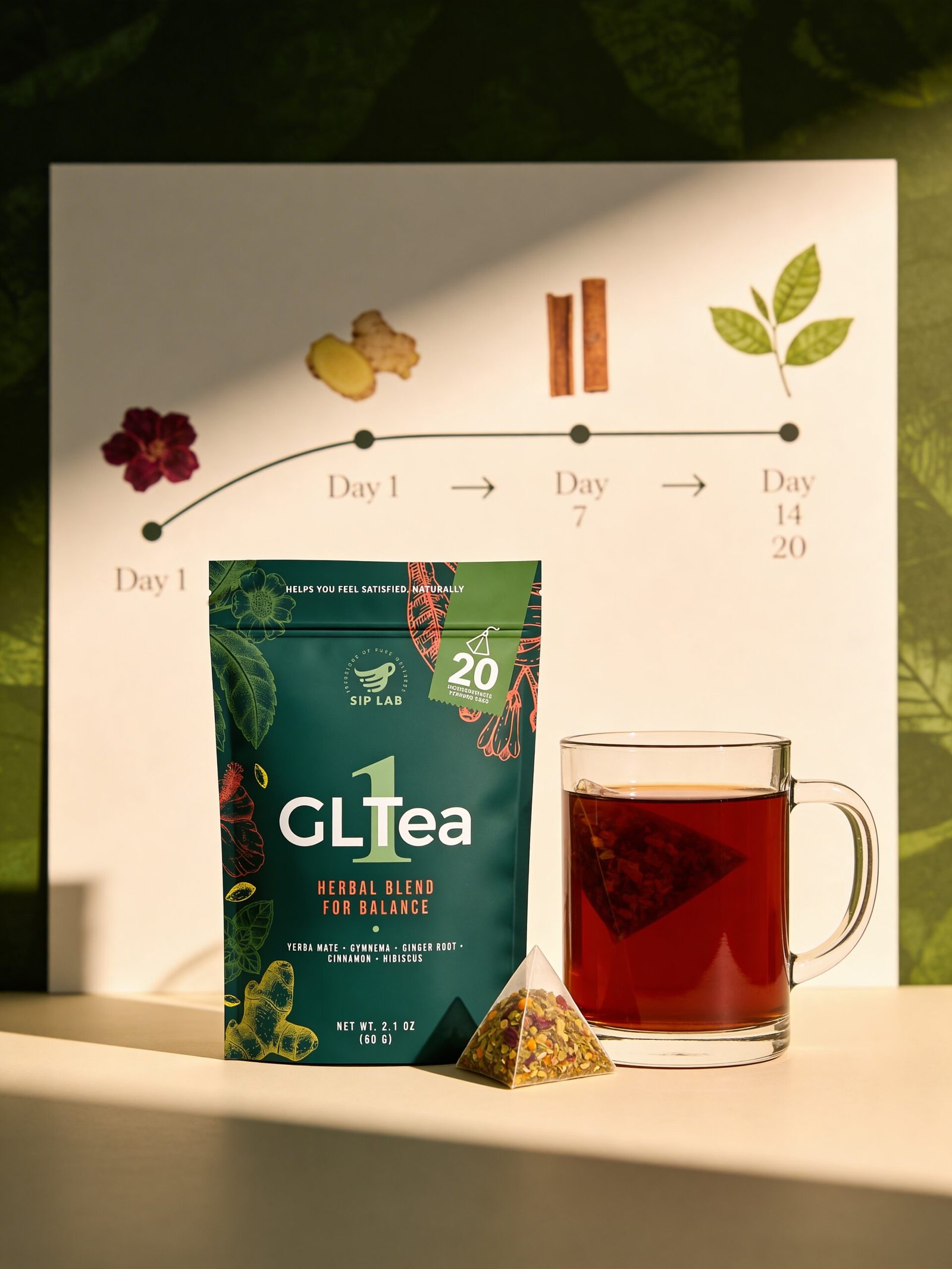
For those exploring functional tea blends that combine multiple metabolism-supporting ingredients, GLTea-1 pairs yerba mate, gymnema sylvestre, ginger root, ceylon cinnamon, and hibiscus — each with independent research supporting metabolic or appetite-regulating mechanisms.
Evidence Snapshot
- Willems et al. (2018) — Matcha enhanced fat oxidation during brisk walking in women. Published in International Journal of Sport Nutrition and Exercise Metabolism.
- Dulloo et al. (1999) — Green tea extract increased 24-hour energy expenditure by 4%. Published in American Journal of Clinical Nutrition.
- Venables et al. (2008) — Green tea extract increased fat oxidation by 17% during moderate exercise. Published in American Journal of Clinical Nutrition.
- Nagao et al. (2007) — 12 weeks of catechins (583 mg/day) reduced body weight, BMI, and visceral fat in 240 adults. Published in Obesity.
- Weiss and Anderton (2003) — Demonstrated higher catechin availability from matcha vs. brewed green tea. Published in Journal of Chromatography A.
- Hursel et al. (2009) — Meta-analysis of 11 studies found green tea catechins significantly decreased body weight (-1.31 kg average). Published in International Journal of Obesity.
Frequently Asked Questions
Does matcha burn belly fat?
Matcha does not spot-reduce belly fat. However, green tea catechins at doses above 500 mg/day — achievable with 3-4 cups of matcha — have been associated with preferential reductions in visceral (abdominal) fat in clinical trials. The Nagao et al. (2007) study found significant decreases in visceral fat area measured by CT scan after 12 weeks. The effect works through enhanced norepinephrine-driven lipolysis in metabolically active fat tissue, not targeted fat burning.
Is matcha better than green tea for weight loss?
Yes, in terms of catechin delivery per serving. Matcha provides approximately 2-3 times more EGCG than a standard cup of brewed green tea because you consume the entire ground leaf. The active compounds are identical — matcha is simply a more concentrated delivery system. If you drink the same number of cups, matcha gives you a higher effective dose of the catechins that drive fat oxidation and thermogenesis.
How many cups of matcha per day for weight loss?
Research suggests 2-3 cups per day (2-3 grams of matcha powder) as the optimal range. This delivers 200-420 mg of EGCG, which falls within the dosing range used in most positive clinical trials. One cup per day provides a baseline metabolic benefit. Going beyond 4-5 cups increases caffeine intake to levels that may disrupt sleep and cause digestive discomfort, which can be counterproductive for weight management.
When should I drink matcha for weight loss?
For maximum fat-oxidation benefit, consume matcha 30-60 minutes before exercise. The Willems (2018) study used pre-exercise consumption and measured enhanced fat burning during a 30-minute brisk walk. For general metabolic support, drink matcha in the morning and early afternoon. Avoid consumption after 2-3 PM to prevent caffeine interference with sleep quality — and poor sleep is one of the strongest predictors of weight gain.
Can matcha replace a weight loss supplement?
Matcha provides many of the same active compounds found in green tea extract supplements (EGCG, caffeine, catechins) in a whole-food format. Unlike concentrated supplements, matcha carries minimal risk of liver stress and includes L-theanine, which is absent from most extracts. For moderate metabolic support, 2-3 cups of matcha daily is a reasonable alternative to green tea extract supplements. For therapeutic doses above 500 mg EGCG, supplements deliver more per serving — but consult a healthcare provider before taking high-dose extracts.
The Bottom Line
Matcha outperforms brewed green tea for weight loss because you consume the whole leaf, delivering 2-3 times more EGCG per serving. The research supports modest but real effects: enhanced fat oxidation during exercise, a 3-4% increase in daily energy expenditure, and preferential reductions in visceral fat at higher doses. Two to three cups per day, consumed before exercise or in the morning, provides an effective dose. It is not a miracle solution — but it is one of the most evidence-backed beverages you can add to a weight loss routine.
*These statements have not been evaluated by the Food and Drug Administration. This product is not intended to diagnose, treat, cure, or prevent any disease. Consult your healthcare provider before making changes to your diet or supplement routine.
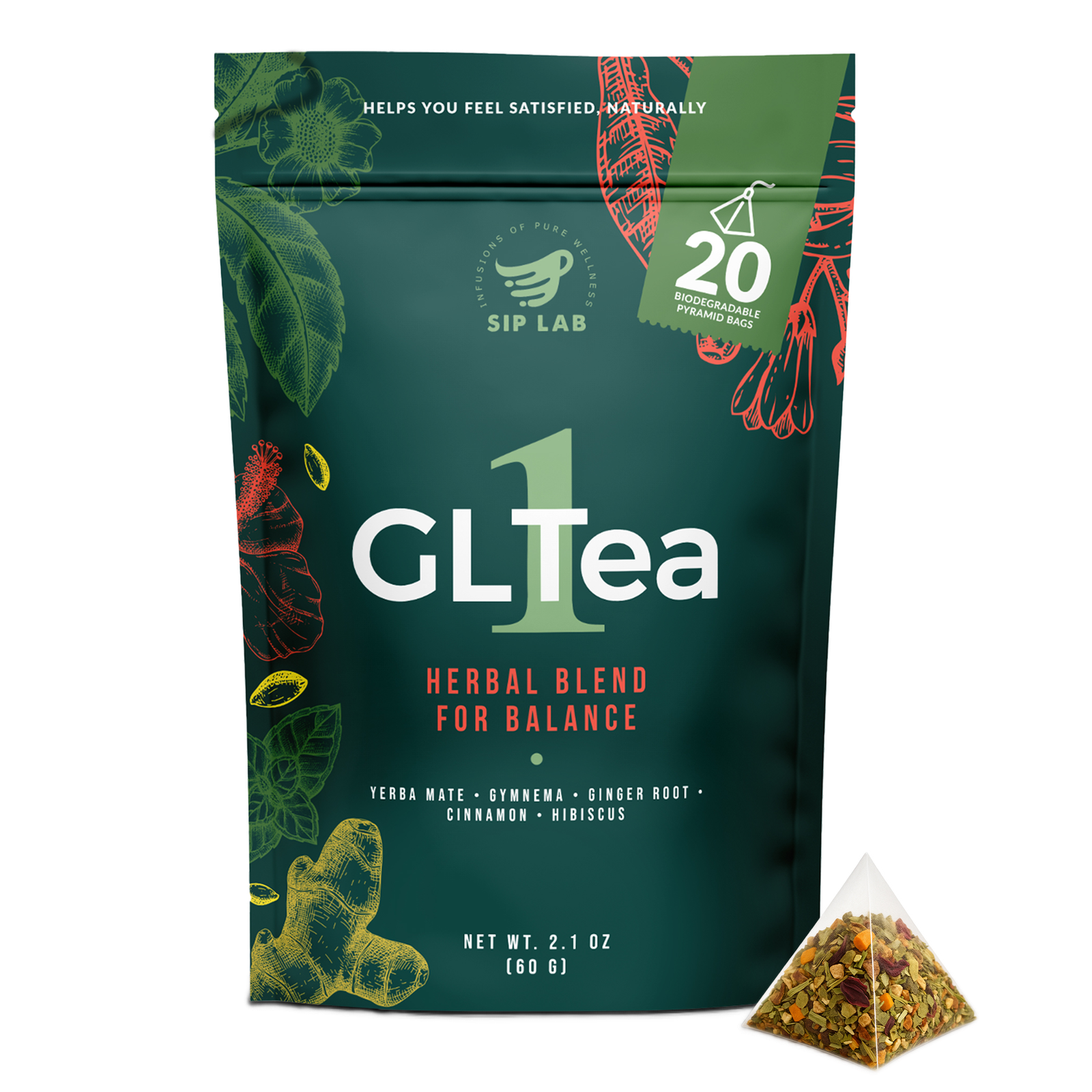
GLTea-1 — Herbal Blend for Balance
Yerba Mate + Gymnema + Ginger Root + Ceylon Cinnamon + Hibiscus
20 biodegradable pyramid bags • $12.99 (on sale) • Under $0.65/cup