Green tea promotes modest but measurable weight loss through three primary mechanisms: EGCG-driven thermogenesis that increases calorie burn by 3-4%, caffeine-enhanced fat oxidation that shifts your metabolism toward burning fat over carbohydrates, and emerging evidence of DPP-IV inhibition that may support GLP-1 levels — the same hormone targeted by drugs like Ozempic. None of these effects are dramatic. But across more than 40 clinical trials, the pattern is consistent: green tea produces small, statistically significant reductions in body weight, body fat percentage, and waist circumference.
This guide covers what the research actually shows — not what supplement companies want you to believe.
How Green Tea Causes Weight Loss: The Three Mechanisms
Green tea is not a fat burner in the way that marketing language implies. It contains bioactive compounds that modestly shift several metabolic processes in a direction that favors fat loss over time. Understanding the mechanisms matters because it sets realistic expectations.
Mechanism 1: EGCG and thermogenesis
Epigallocatechin gallate (EGCG) is the most abundant catechin in green tea, accounting for 50-80% of its total catechin content. EGCG inhibits catechol-O-methyltransferase (COMT), an enzyme that breaks down norepinephrine — a neurotransmitter that signals fat cells to release stored fat and increases metabolic rate.
When COMT is inhibited, norepinephrine stays active longer, prolonging its stimulation of adrenergic receptors. This increases both lipolysis (fat breakdown) and thermogenesis (heat production from calorie burning). EGCG is particularly potent at this: gallated catechins like EGCG inhibit COMT activity 60 to 1,000 times more effectively than non-gallated catechins in vitro (Green Tea Catechins and Sport Performance, NCBI Bookshelf).
The practical result was measured in the landmark Dulloo et al. (1999) study: a 4% increase in 24-hour energy expenditure, translating to roughly 70-100 extra calories burned per day. Critically, this effect could not be replicated by caffeine alone at equivalent doses, confirming that the catechins drive the thermogenic response (American Journal of Clinical Nutrition, 1999).
Mechanism 2: Caffeine-enhanced fat oxidation
Green tea contains 25-50 mg of caffeine per cup. While modest compared to coffee, this caffeine works synergistically with EGCG through a complementary pathway. Caffeine inhibits phosphodiesterase, an enzyme that degrades cyclic AMP (cAMP) — a molecule that amplifies norepinephrine signaling inside cells.
So EGCG keeps norepinephrine circulating longer (by blocking COMT), and caffeine keeps its intracellular signal stronger (by blocking phosphodiesterase). Together, they produce a fat oxidation effect greater than either compound alone. One study found that green tea extract taken before 30 minutes of cycling at 60% VO2max increased whole-body fat oxidation by 17% compared to placebo — meaning the body burned a significantly higher proportion of fat for fuel during exercise (The Effect of Green Tea Extract on Fat Oxidation at Rest and during Exercise, PMC, 2013).
Mechanism 3: DPP-IV inhibition and GLP-1 support
This is the newest and most intriguing mechanism. EGCG appears to inhibit dipeptidyl peptidase-4 (DPP-4), the enzyme that breaks down GLP-1 — the same hormone that drugs like semaglutide (Ozempic) and tirzepatide (Mounjaro) target for appetite suppression and blood sugar regulation.
In a randomized, double-blind, placebo-controlled trial, 16 weeks of EGCG supplementation significantly increased GLP-1 levels from 1.4 to 2.6 (p = 0.001) in type 2 diabetes patients. The placebo group showed no significant change (Liu et al., 2014, PLOS ONE). Separately, laboratory research using intestinal cells showed that EGCG directly stimulates secretion of GLP-1 from the ileum (Journal of Agricultural and Food Chemistry, PMC, 2015).
To be clear: the magnitude of this effect is nowhere near pharmaceutical GLP-1 agonists. Green tea will not replace Ozempic. But it represents a gentle, daily, food-based mechanism that nudges the same pathway — and that matters for people seeking natural support rather than prescription intervention.
What the Meta-Analyses Actually Show
Individual studies can be cherry-picked to support almost any conclusion. Meta-analyses pool the data and give a more honest picture. Here are the two most-cited reviews:
Hursel et al., 2009 — International Journal of Obesity
This meta-analysis reviewed 11 studies meeting inclusion criteria and found that green tea catechins significantly decreased body weight, with an average effect size of -1.31 kg (p < 0.001). Two important moderating factors emerged: habitual caffeine intake and ethnicity. Populations with lower habitual caffeine consumption (common in East Asian populations) tended to see larger effects, while high-caffeine consumers showed blunted responses — likely because their bodies had already adapted to the norepinephrine-preserving effects that EGCG and caffeine share.
Jurgens et al., 2012 — Cochrane Database of Systematic Reviews
The Cochrane review — widely considered the gold standard in evidence-based medicine — examined 15 weight loss studies and 3 weight maintenance studies involving 1,945 participants. The conclusions were more conservative:
- Studies outside Japan — six trials showed a mean weight difference of -0.04 kg (not statistically significant; p = 0.88)
- Studies inside Japan — eight trials showed weight loss ranging from -0.2 kg to -3.5 kg, but results were too heterogeneous to pool
- Weight maintenance — no significant benefit over placebo
The honest interpretation: green tea catechins produce modest weight loss that is statistically detectable in well-designed trials, particularly in Asian populations and individuals with low habitual caffeine intake. In Western populations with high coffee consumption, the effect shrinks considerably. This is not a magic bullet — it is a small, consistent metabolic nudge.
Green Tea and Metabolism: The Numbers
The metabolism-boosting effect of green tea is real but frequently overstated. We break down the full research record in our dedicated guide to whether green tea boosts metabolism — here is what controlled studies actually measured:
- 4% increase in 24-hour energy expenditure — Dulloo et al. (1999), healthy young men, respiratory chamber study. This translates to approximately 70-100 additional calories burned per day (American Journal of Clinical Nutrition).
- 3-4% increase in metabolic rate — Confirmed across multiple studies in a systematic review by Rains et al. (2011), with the effect primarily driven by EGCG-caffeine synergy rather than either compound alone (The Journal of Nutritional Biochemistry).
- 17% increase in fat oxidation during exercise — Venables et al. (2008), single-dose green tea extract before moderate cycling increased the proportion of energy derived from fat (American Journal of Clinical Nutrition).
- Lower respiratory quotient — Multiple studies confirm that green tea shifts the RQ downward, meaning the body preferentially burns fat over carbohydrates even at rest.
The effect is real. But 70-100 extra calories per day adds up to roughly 0.5-1 pound of fat loss per month — assuming no compensatory eating. That is the honest math. Green tea supports a calorie deficit; it does not create one on its own.
Green Tea and Belly Fat: What the Evidence Shows
Visceral fat — the metabolically active fat stored around your organs — is the type most strongly linked to heart disease, type 2 diabetes, and metabolic syndrome. It is also the type that responds most to catechin intervention.
A 12-week, double-blind trial of 240 Japanese adults found that participants consuming 583 mg of catechins daily showed significant decreases in body weight, BMI, body fat mass, waist circumference, hip circumference, and — importantly — visceral fat area measured by CT scan, compared to the low-catechin control group (Nagao et al., 2007, Obesity).
A separate randomized trial combining green tea with moderate exercise found that the green tea group lost more total abdominal fat and subcutaneous abdominal fat than the exercise-only group, with the combination producing a greater reduction in serum triglycerides (Maki et al., 2009, The Journal of Nutrition).
The pattern across studies: green tea catechins at doses above 500 mg/day, combined with regular physical activity, appear to preferentially target abdominal fat — though the absolute reductions are modest (typically 1-2 cm in waist circumference over 12 weeks). This is not a spot-reduction tool. It is a mild metabolic preference for visceral fat mobilization, likely driven by the norepinephrine-mediated lipolysis in metabolically active fat tissue.
Green Tea as an Appetite Suppressant
The appetite-suppressing effect of green tea is subtler than its metabolic effects and less consistently demonstrated. However, two mechanisms have research support:
- GLP-1 stimulation — As described above, EGCG appears to both stimulate GLP-1 secretion and inhibit its breakdown. GLP-1 is a satiety hormone that slows gastric emptying and signals fullness to the brain.
- Caffeine-catechin synergy — A combined EGCG and caffeine intervention in mice produced not only suppression of fat accumulation but also an anorexigenic (appetite-reducing) action, reducing food intake independent of the metabolic effects (Lu et al., 2018, Journal of Functional Foods).
In practice, most people who drink green tea before meals report feeling slightly more full, slightly sooner. The effect is gentle — more of a mild appetite edge-dulling than the dramatic hunger suppression produced by pharmaceutical GLP-1 agonists.
How Much Green Tea for Weight Loss
Dosage matters. Most positive studies used specific amounts:
- Catechins: 500-600 mg per day, with the effective range spanning 270-800 mg across trials
- EGCG specifically: 250-500 mg per day
- Brewed green tea equivalent: 3-5 cups per day (assuming 100-200 mg catechins per cup)
- Duration: Most studies showing significant results lasted 8-12 weeks of consistent daily use
Below 3 cups daily, most studies fail to show significant effects. Above 10 cups daily (or above 800 mg EGCG from supplements), the risk of side effects — including potential liver stress — increases without proportional benefit. The sweet spot for brewed green tea appears to be 3-5 cups per day, consumed consistently over at least two months.
Green Tea vs. Matcha vs. Extract vs. Capsules
| Format | EGCG per Serving | Caffeine per Serving | Bioavailability | Safety Profile | Best For |
|---|---|---|---|---|---|
| Brewed green tea (1 cup) | 50-100 mg | 25-50 mg | Moderate — limited by steeping extraction | Excellent — no documented liver toxicity | Daily habit, long-term use |
| Matcha (1 tsp / 2g) | 70-120 mg | 60-80 mg | High — whole leaf consumed | Excellent — same safety as brewed tea | Higher catechin dose in one serving |
| Green tea extract capsule | 200-400 mg | Varies (some decaf) | High — concentrated and standardized | Caution above 800 mg EGCG/day — documented hepatotoxicity risk | Precise dosing, research replication |
| Bottled green tea | 10-60 mg | 15-25 mg | Low — degradation during processing | Generally safe | Convenience only — not therapeutic |
Key safety note on extracts: While brewed green tea has no documented liver toxicity at any consumption level, concentrated green tea extract supplements at doses above 800 mg EGCG per day have been associated with rare but serious hepatotoxicity. A systematic review of the United States Pharmacopeia identified transaminase elevations in 9 of 38 intervention studies using high-dose extracts. Risk factors include fasting, certain COMT genetic variants, and the HLA-B*35:01 allele. If you use capsules, take them with food and stay below 800 mg EGCG daily.
When to Drink Green Tea for Maximum Benefit
Timing can optimize the effects, though the differences are modest compared to total daily intake. Because green tea contains caffeine, it belongs in the morning-to-afternoon window — for the evening slot, a caffeine-free option like chamomile tea covers the sleep and stress side of weight management without disrupting sleep:
- Before exercise (60-90 minutes prior) — EGCG combined with caffeine taken before moderate exercise significantly increased fat oxidation rate during the workout. This is the best-supported timing recommendation in the literature.
- Between meals (not with food) — EGCG bioavailability is 2.7 to 3.9 times higher when consumed without food compared to with a meal, because food proteins bind to catechins and reduce absorption (Naumovski et al., 2015, Molecular Nutrition & Food Research).
- Morning or early afternoon — The caffeine content (25-50 mg per cup) can interfere with sleep if consumed after 3-4 PM, particularly in caffeine-sensitive individuals.
- Not on a completely empty stomach — While fasting improves bioavailability, some people experience nausea from green tea on an empty stomach. A small snack or light meal 30-60 minutes before is a reasonable compromise.
The most practical approach: one cup mid-morning between breakfast and lunch, one cup mid-afternoon, and — if you exercise — one cup 60-90 minutes before your workout.
Who Responds Best to Green Tea for Weight Loss
Not everyone responds equally. Research has identified several factors that predict larger effects:
- Low habitual caffeine intake — People who do not regularly consume coffee or energy drinks see significantly larger metabolic effects from green tea. Their bodies have not adapted to the norepinephrine-preserving effects that caffeine and EGCG share (Hursel et al., 2009).
- COMT genotype — Individuals with the high-activity COMT genotype (Val/Val) break down norepinephrine faster, which means EGCG’s COMT inhibition has a larger relative impact. Paradoxically, those who metabolize catecholamines fastest may benefit most from EGCG supplementation.
- Higher baseline BMI — Several trials show larger effects in overweight and obese subjects compared to lean individuals, likely because they have more metabolically active visceral fat available for mobilization.
- Combination with exercise — Green tea catechins combined with regular moderate exercise consistently produce greater fat loss than either intervention alone (Maki et al., 2009).
Herbal Blends That Include Green Tea Ingredients
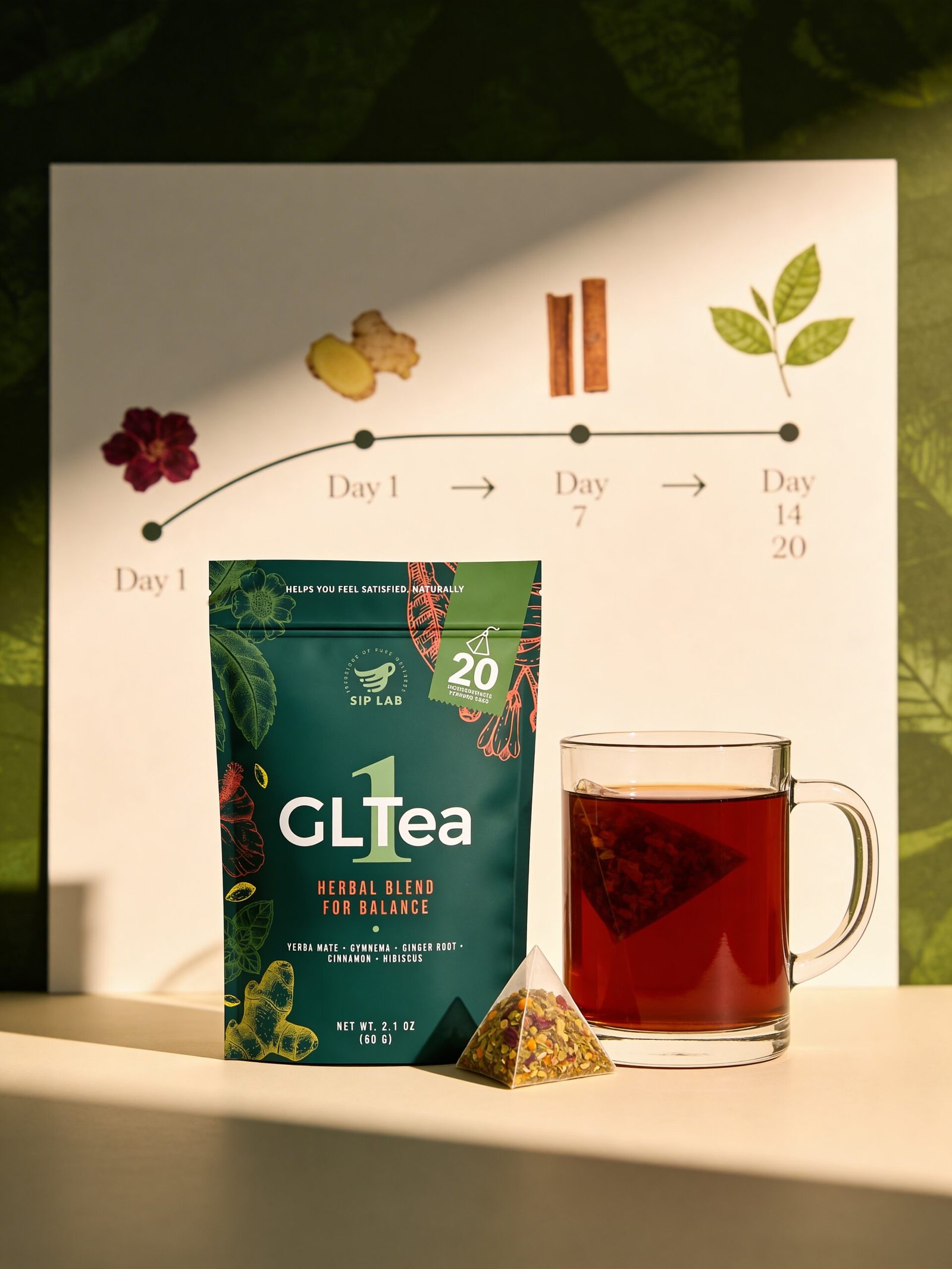
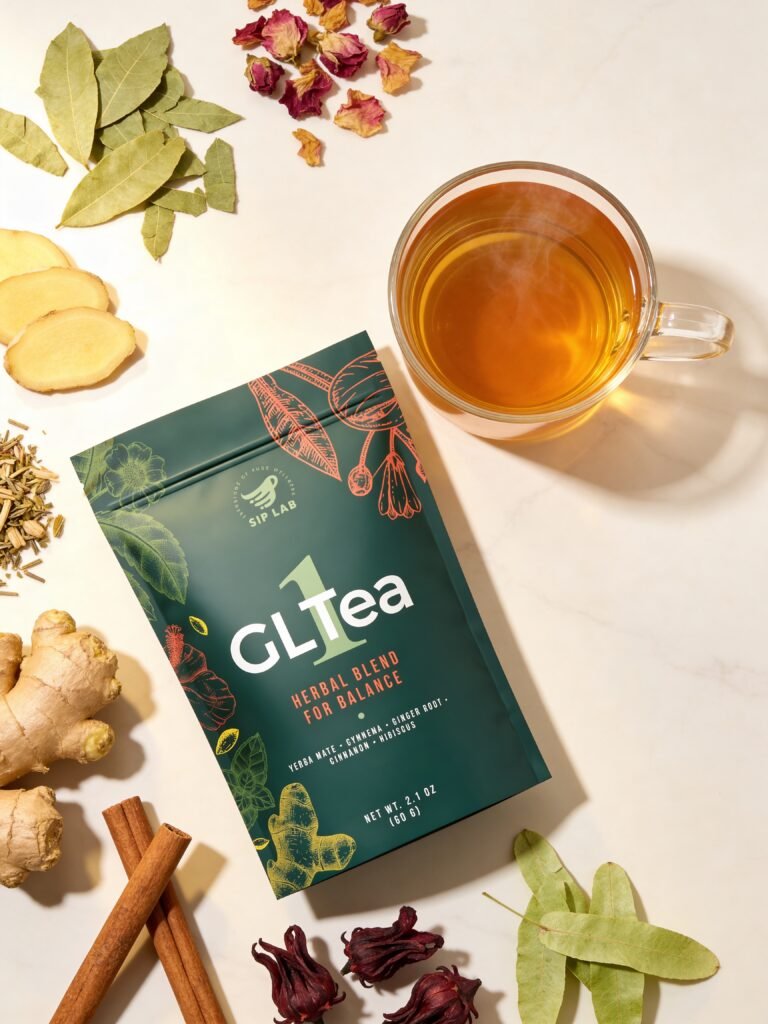
Green tea works through EGCG and caffeine. But some of the same metabolic pathways — thermogenesis, GLP-1 support, blood sugar regulation — can also be targeted by other herbal compounds. GLTea-1 combines yerba mate (a natural source of caffeine and chlorogenic acids), gymnema sylvestre (which blocks sugar absorption), ginger root (a thermogenic), ceylon cinnamon (which supports insulin sensitivity), and hibiscus (which may reduce lipid accumulation) — hitting multiple mechanisms in a single cup rather than relying on one compound alone.
Evidence Snapshot
| Study | Design | Key Finding |
|---|---|---|
| Dulloo et al., 1999 (Am J Clin Nutr) | Randomized crossover, 10 healthy men, respiratory chamber | 4% increase in 24-hr energy expenditure (~80 kcal/day); effect not replicable by caffeine alone |
| Hursel et al., 2009 (Int J Obes) | Meta-analysis of 11 studies | Catechins reduced body weight by -1.31 kg (p < 0.001); ethnicity and caffeine habits moderate effect |
| Jurgens et al., 2012 (Cochrane Database) | Cochrane review, 15 weight loss + 3 maintenance studies, 1,945 participants | Small, statistically non-significant weight loss overall; Japanese studies showed -0.2 to -3.5 kg |
| Nagao et al., 2007 (Obesity) | Double-blind RCT, 240 subjects, 12 weeks | 583 mg catechins/day reduced body weight, BMI, waist circumference, and visceral fat area |
| Maki et al., 2009 (J Nutr) | RCT, green tea + exercise vs. exercise alone | Green tea group lost more abdominal fat and had greater triglyceride reduction |
| Liu et al., 2014 (PLOS ONE) | Double-blind RCT, type 2 diabetes patients, 16 weeks | EGCG increased GLP-1 from 1.4 to 2.6 (p = 0.001); improved insulin resistance |
| Venables et al., 2008 (Am J Clin Nutr) | Single-dose crossover, moderate exercise | 17% increase in fat oxidation during exercise after green tea extract |
Frequently Asked Questions
How much weight can you lose with green tea?
Meta-analyses show an average additional weight loss of approximately 1-1.3 kg over 8-12 weeks compared to placebo. Some individual studies report up to 3.5 kg, but these are outliers. A realistic expectation is 0.5-1 pound of additional fat loss per month when green tea is added to an existing calorie deficit and exercise routine. Green tea supports weight loss — it does not cause it on its own.
Does green tea burn belly fat specifically?
There is evidence that green tea catechins at doses above 500 mg/day preferentially mobilize visceral (abdominal) fat, likely because visceral fat tissue has a higher density of adrenergic receptors that respond to the norepinephrine-preserving effect of EGCG. Nagao et al. (2007) found significant reductions in visceral fat area measured by CT scan. However, the reductions are modest — typically 1-2 cm in waist circumference over 12 weeks — and require consistent daily intake combined with physical activity.
Is matcha better than regular green tea for weight loss?
Matcha delivers more EGCG per serving (70-120 mg vs. 50-100 mg for brewed green tea) because you consume the entire leaf rather than just a steep. However, no head-to-head clinical trials have compared matcha and brewed green tea for weight loss outcomes. The advantage of matcha is practical — you get a higher catechin dose in a single cup — but 3-4 cups of quality brewed green tea will reach the same daily threshold. Choose whichever you will drink consistently.
Can green tea replace exercise for weight loss?
No. The metabolic boost from green tea (70-100 calories/day) is roughly equivalent to a 10-minute walk. Exercise produces far larger effects on energy expenditure, fat oxidation, muscle preservation, and metabolic health. The most effective approach shown in clinical trials is green tea combined with regular moderate exercise — the two are complementary, not interchangeable.
Are green tea extract supplements safe?
Brewed green tea is considered safe at any reasonable consumption level. Green tea extract supplements, however, carry a documented risk of hepatotoxicity at doses above 800 mg EGCG per day. The United States Pharmacopeia and multiple case reports have identified rare but serious liver injury, particularly when extracts are taken on an empty stomach or by individuals with specific genetic variants (HLA-B*35:01, certain COMT and UGT1A4 genotypes). If you choose supplements, take them with food, stay below 800 mg EGCG daily, and monitor for symptoms like dark urine, abdominal pain, or jaundice.
Does adding milk or sugar to green tea reduce the benefits?
Milk proteins can bind to catechins and reduce absorption, though the clinical significance is debated. A conservative approach is to drink green tea plain. Sugar adds empty calories that may offset the modest metabolic benefits. If you need flavor, a squeeze of lemon may actually improve catechin stability and absorption due to the acidic pH environment.
The Bottom Line
Green tea produces modest, measurable, and well-documented effects on weight loss. Across 40+ clinical trials, it increases metabolic rate by 3-4%, enhances fat oxidation (particularly during exercise), and may gently support GLP-1 levels. The expected additional weight loss is approximately 1-1.3 kg over 12 weeks — meaningful as part of a comprehensive approach, but not transformative on its own.
The optimal dose is 3-5 cups of brewed green tea daily (or 250-500 mg EGCG), consumed between meals, ideally before exercise. Consistency over 8+ weeks matters more than any single serving. And the effect is larger in people who do not already consume significant amounts of caffeine.
Green tea is not a fat burner. It is a gentle, evidence-backed metabolic tool — safe for daily use, synergistic with exercise, and honest about what it can and cannot do. That is exactly what a sustainable approach to weight management looks like.
For a multi-mechanism approach, GLTea-1 combines caffeine-containing yerba mate with ginger (thermogenic), gymnema (sugar absorption blocker), ceylon cinnamon (insulin sensitizer), and hibiscus — targeting several of the same pathways discussed in this guide through complementary ingredients.
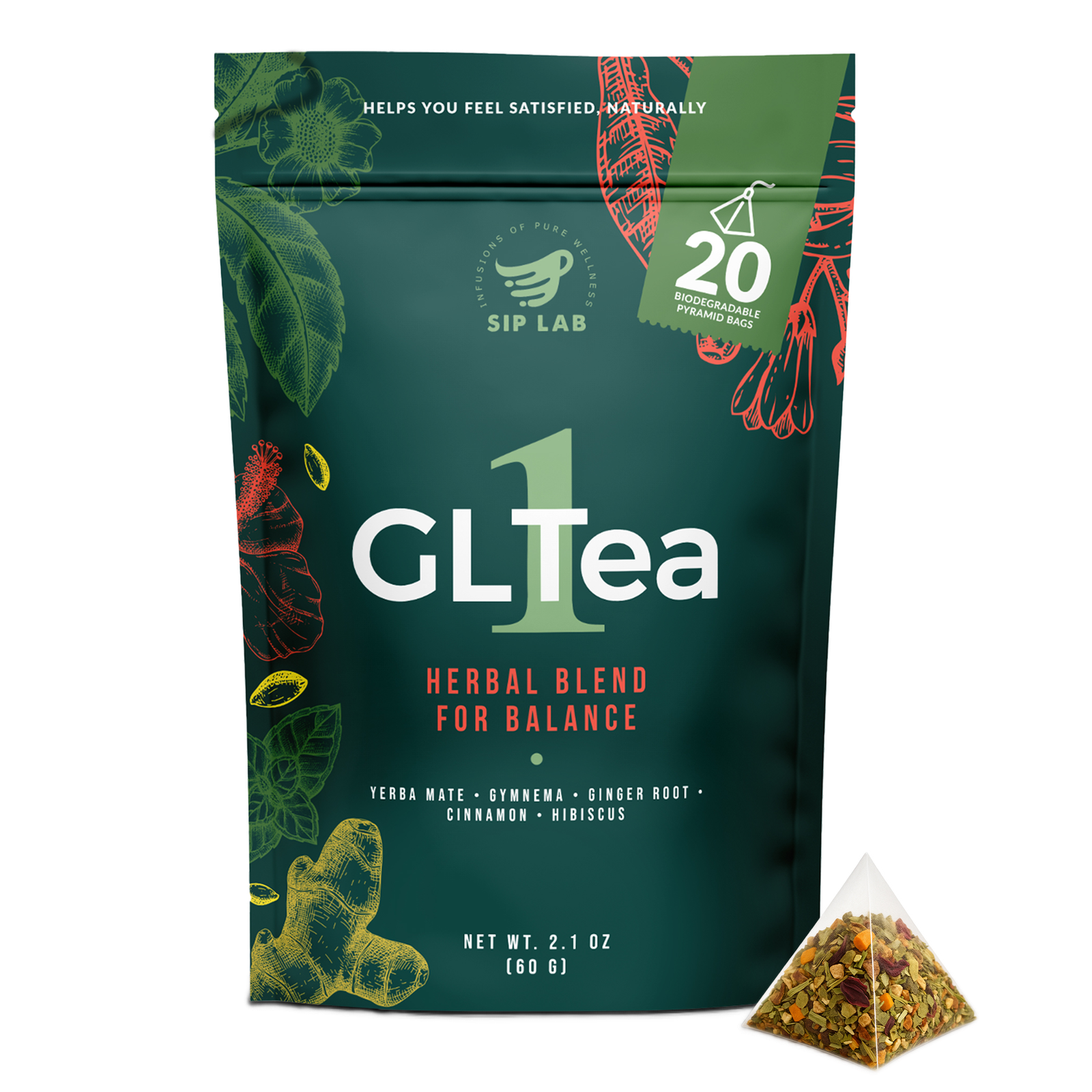
GLTea-1 — Herbal Blend for Balance
Yerba Mate + Gymnema + Ginger Root + Ceylon Cinnamon + Hibiscus
20 biodegradable pyramid bags • $12.99 (on sale) • Under $0.65/cup
This article is for informational purposes only and is not intended to diagnose, treat, cure, or prevent any disease. These statements have not been evaluated by the Food and Drug Administration. Consult your healthcare provider before starting any new supplement or making significant changes to your diet.