GLP-1 tea is a functional herbal tea formulated with plant compounds that have been shown in peer-reviewed research to support your body’s natural production of GLP-1 (glucagon-like peptide-1), the same satiety hormone targeted by drugs like Ozempic and Wegovy.
Unlike pharmaceutical GLP-1 receptor agonists, which inject synthetic versions of this hormone at supraphysiological doses, GLP-1 tea encourages your body’s own L-cells to produce more of the hormone naturally. The effect is gentler and less potent than drugs — but it carries none of the prescription side effects.
What GLP-1 Does in Your Body
GLP-1 (glucagon-like peptide-1) is produced by L-cells in your lower small intestine. When you eat, these cells release GLP-1, which:
- Signals satiety to the brain — reduces appetite by activating receptors in the hypothalamus
- Slows gastric emptying — food stays in your stomach longer, extending fullness
- Supports insulin response — helps your body manage blood sugar more effectively
How Tea Compounds Support GLP-1
- Yerba mate — Increased postprandial GLP-1 and reduced energy intake in overweight women. The active pathway involves dihydroferulic acid stimulating L-cells directly (Hussein et al., Nutrients, 2025).
- EGCG (green tea) — A double-blinded RCT showed green tea extract significantly increased GLP-1 levels over 16 weeks. EGCG may also inhibit DPP-4, the enzyme that degrades GLP-1 (Hsu et al., PLOS ONE, 2014).
- Gymnema sylvestre — Stimulates proglucagon gene expression, the precursor to GLP-1 (Tiwari et al., Journal of Medicinal Food, 2017).
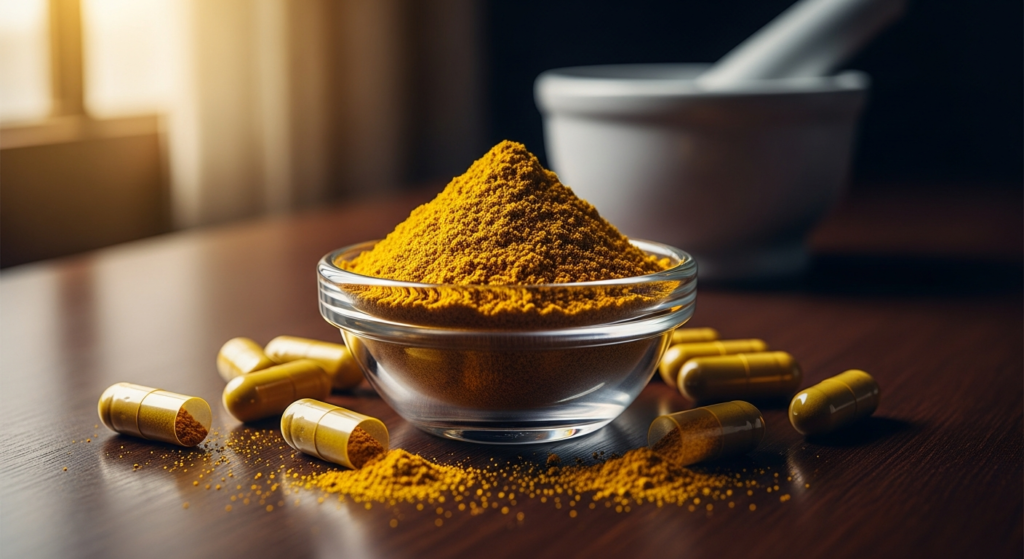
- Curcumin — A direct GLP-1 secretagogue through GPR40/120 receptors on L-cells (Kato et al., British Journal of Pharmacology, 2017).
How It Differs from Drugs
Semaglutide (Ozempic) injects synthetic GLP-1 analogs that resist degradation for days, producing dramatic results and significant side effects. GLP-1 tea nudges production upward within your body’s natural hormone range. Anyone expecting drug-level results from tea will be disappointed. Anyone looking for a safe daily habit that supports metabolic health may find it worthwhile.
Frequently Asked Questions
Does GLP-1 tea work like Ozempic?
No. Ozempic delivers synthetic GLP-1 at doses far exceeding natural production, with dramatic results and significant side effects. GLP-1 tea supports your body’s own hormone production at natural levels. The mechanism is related but the magnitude is not comparable.
What ingredients should a GLP-1 tea contain?
Look for yerba mate, green tea (EGCG), gymnema sylvestre, and curcumin — these have the strongest peer-reviewed evidence. Avoid blends with laxatives (senna, cascara sagrada) or “detox” claims, which have nothing to do with GLP-1.
How long does it take to notice effects?
Most people report subtle changes in appetite within 2-4 weeks of daily use. GLP-1 tea supports gradual shifts in hunger signaling — consistency matters more than dose.
Bottom Line
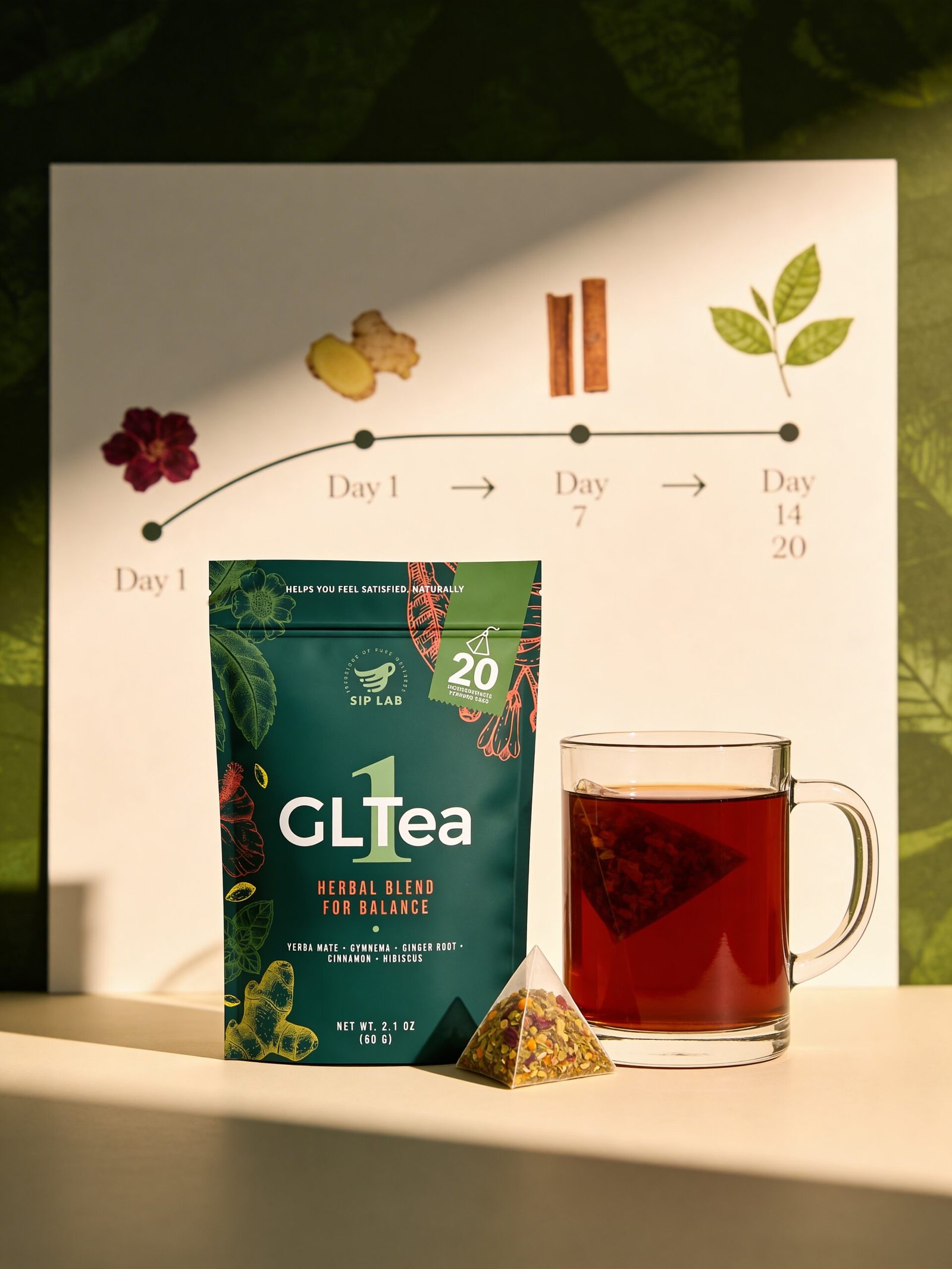
GLTea-1 combines yerba mate, green tea, gymnema sylvestre, and turmeric — every ingredient chosen for published evidence, not trends.
*These statements have not been evaluated by the Food and Drug Administration. This product is not intended to diagnose, treat, cure, or prevent any disease.
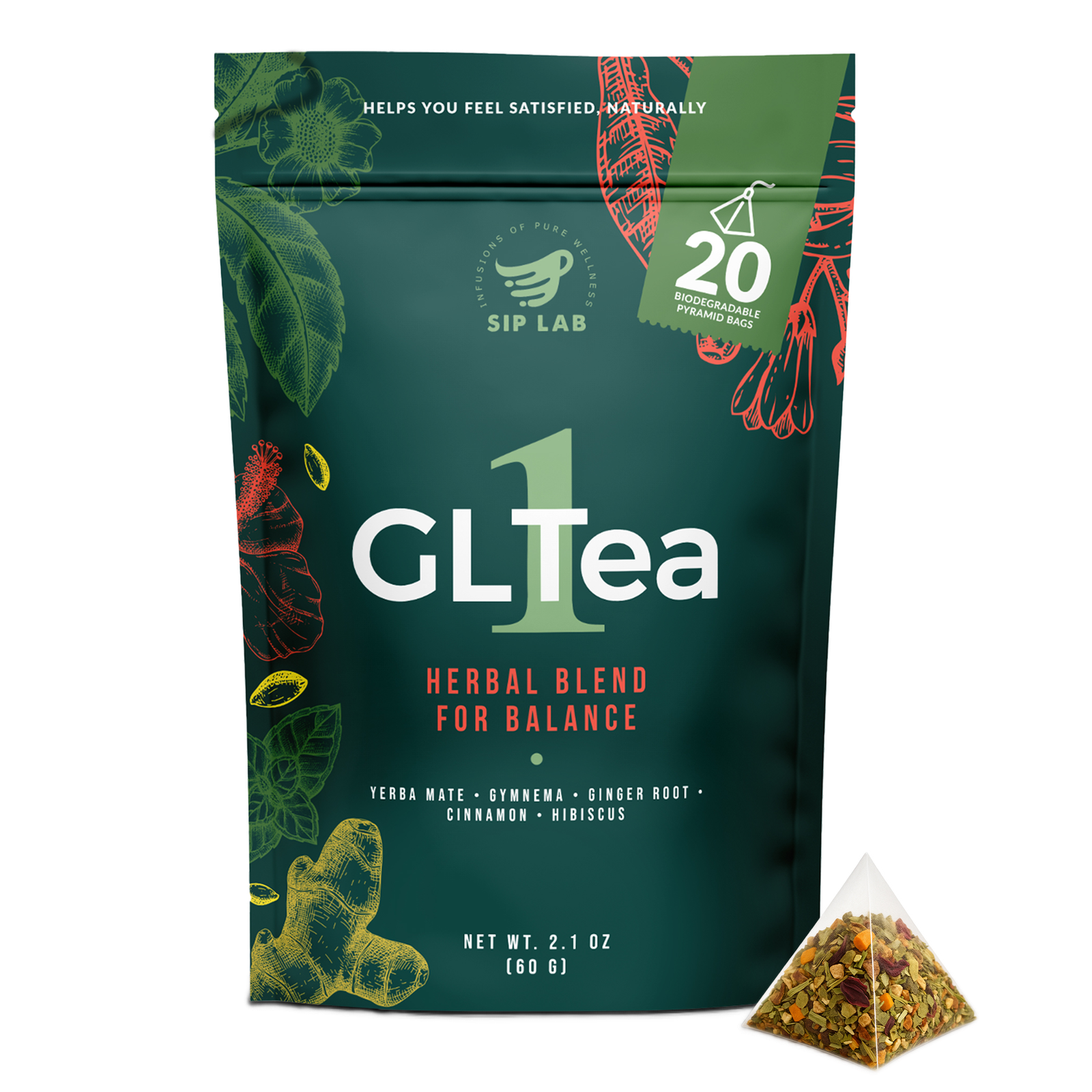
GLTea-1 — Herbal Blend for Balance
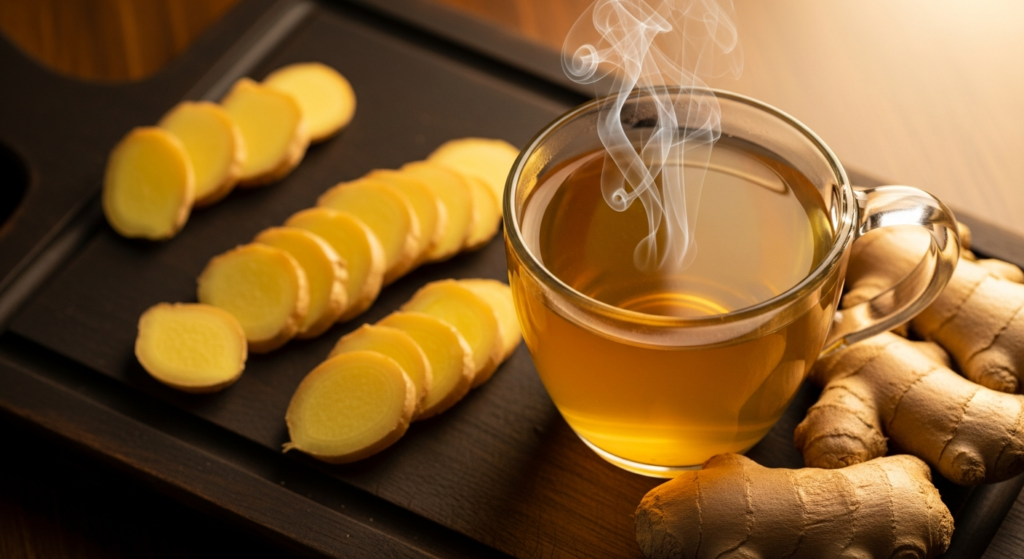
Yerba Mate + Gymnema + Ginger Root + Ceylon Cinnamon + Hibiscus
20 biodegradable pyramid bags • $12.99 (on sale) • Under $0.65/cup • No laxatives, no fillers