Berberine is generally considered safe for most adults at standard doses (500-1500 mg/day), with evidence supporting modest weight loss of approximately 4 lbs on average. However, it has significant drug interactions — particularly with blood thinners, diabetes medications, and immunosuppressants — and the American Academy of Family Physicians (AAFP) has noted it “lacks rigorous evidence” for weight loss specifically.
Berberine is not a gentle herb. It is a potent alkaloid with real pharmacological activity, and the safety question deserves a careful answer.
What Berberine Actually Does
Berberine’s primary mechanism is AMPK activation — not GLP-1. Despite viral claims calling it “nature’s Ozempic,” the pathway is fundamentally different from GLP-1 receptor agonists. AMPK activation improves insulin sensitivity, increases cellular glucose uptake, and promotes fatty acid oxidation (Lee et al., Diabetes & Metabolism Journal, 2006).
Safety Profile
- Common side effects — GI issues (diarrhea, constipation, stomach pain) are frequent. A meta-analysis of 27 trials found berberine “generally well-tolerated” at standard doses (Lan et al., Phytomedicine, 2015).
- Standard dosing — 500 mg two to three times daily with meals. Berberine has roughly 5% bioavailability, which is why it is split across doses.
- Long-term data — Most trials lasted 12-24 weeks. Safety beyond six months is not well studied.
Drug Interactions: The Serious Concern
Berberine inhibits CYP3A4, CYP2D6, and P-glycoprotein — enzymes that process many common medications:
- Blood thinners (warfarin) — Increases warfarin concentration, raising bleeding risk (Guo et al., European Journal of Clinical Pharmacology, 2012).
- Diabetes medications — Combining with metformin or insulin can cause hypoglycemia.
- Immunosuppressants (cyclosporine) — Berberine can push cyclosporine to toxic levels (Wu et al., European Journal of Clinical Pharmacology, 2005).
- Statins — Similar CYP3A4 inhibition can increase statin blood levels.
If you take any prescription medication, consult your doctor before using berberine. This is not a generic disclaimer.
Weight Loss Evidence
A meta-analysis of 12 RCTs found berberine reduced body weight by approximately 4 lbs compared to placebo (Asbaghi et al., Clinical Nutrition ESPEN, 2020). For context, semaglutide produces 15-20% body weight loss in trials. The AAFP’s 2024 review concluded berberine “lacks rigorous evidence” for weight loss, citing small sample sizes and variable study quality.
Frequently Asked Questions
Can I take berberine with metformin?
Only under medical supervision. Both lower blood glucose through AMPK activation, and combining them increases hypoglycemia and GI side effect risk. This is a decision for your doctor, not a supplement stack to try independently.
How much berberine should I take daily?
Clinical studies use 500 mg two to three times daily (1000-1500 mg/day), always with meals. Taking it on an empty stomach significantly worsens GI side effects.
Is berberine better than Ozempic?
No. The “nature’s Ozempic” label is marketing, not science. Berberine works through AMPK, not GLP-1 receptors. Its average weight loss (roughly 4 lbs) is a fraction of semaglutide’s results (30-40 lbs in clinical trials).
Bottom Line
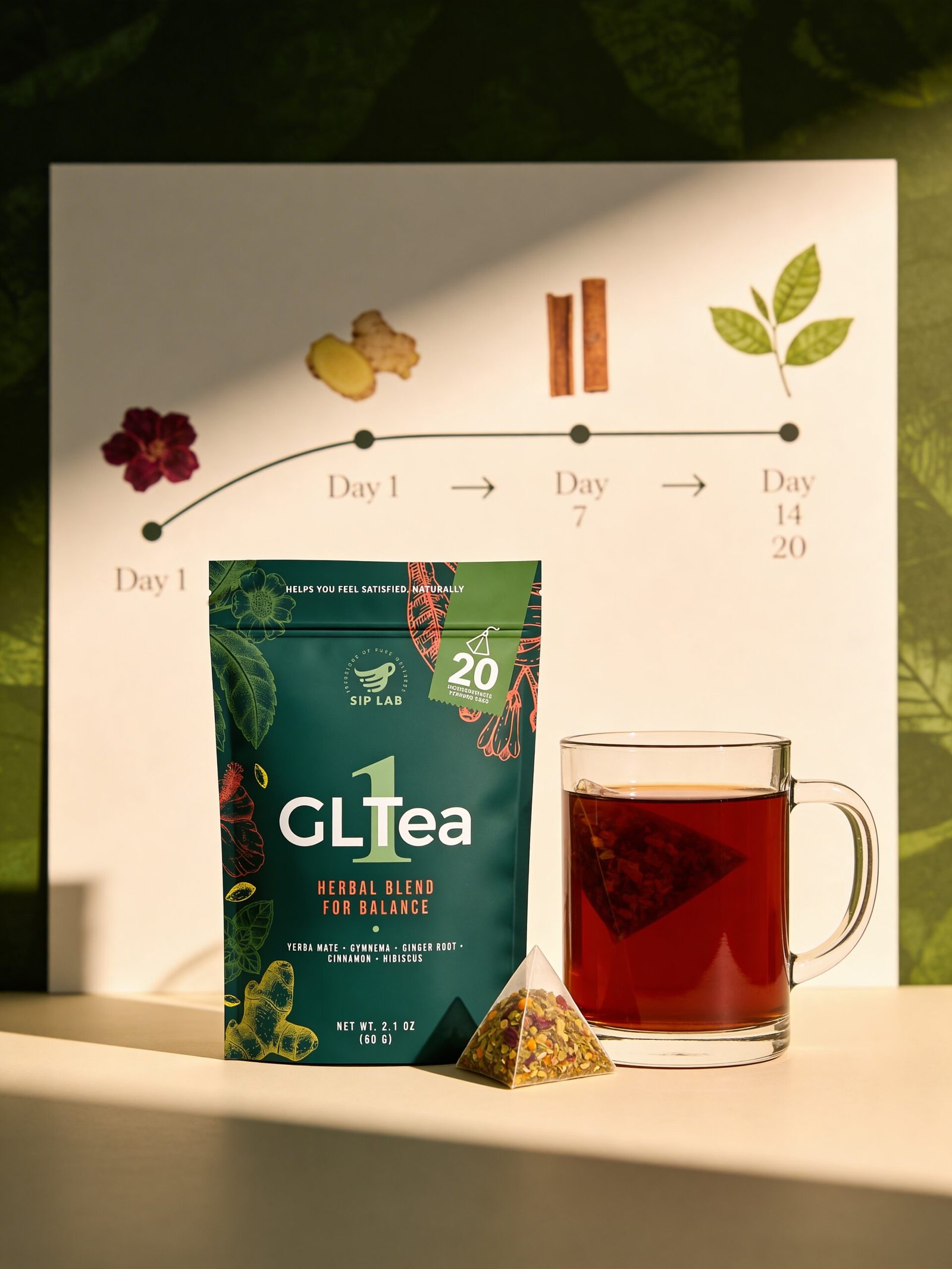
Berberine has real benefits and real risks. If you want appetite regulation support without the drug interaction profile, herbal compounds that support natural GLP-1 production — like yerba mate, EGCG, and gymnema sylvestre — offer a different path. GLTea-1 combines these evidence-backed ingredients without the interaction concerns that make berberine risky for many people.
*These statements have not been evaluated by the Food and Drug Administration. This product is not intended to diagnose, treat, cure, or prevent any disease.
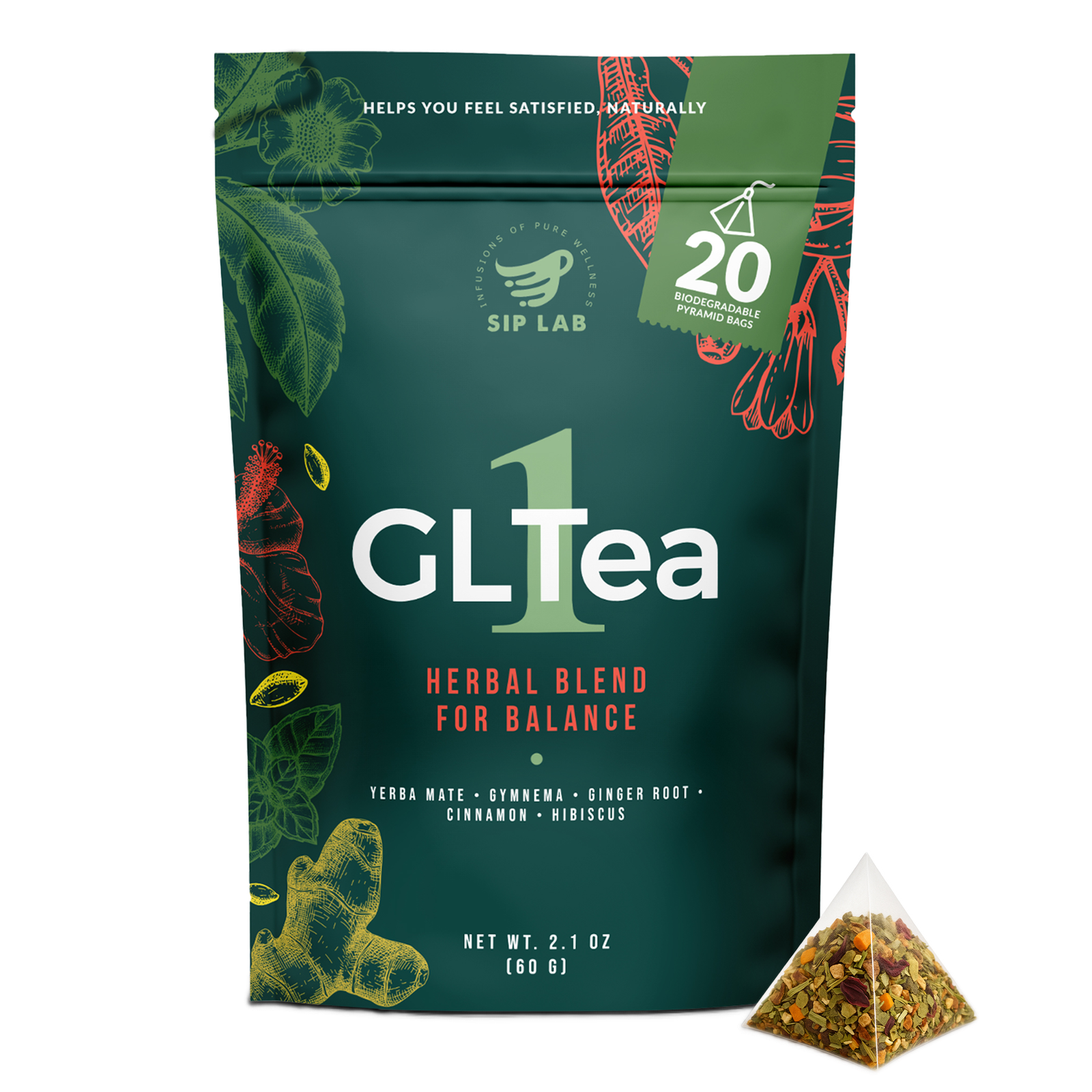
GLTea-1 — Herbal Blend for Balance
Yerba Mate + Gymnema + Ginger Root + Ceylon Cinnamon + Hibiscus
20 biodegradable pyramid bags • $12.99 (on sale) • Under $0.65/cup • No laxatives, no fillers