Oolong tea sits between green and black tea in oxidation level, and research suggests it may enhance fat oxidation by 12% and increase metabolic rate compared to water, making it one of the more evidence-backed teas for weight management. Unlike green tea — which dominates the weight loss conversation — oolong retains a unique mix of catechins and theaflavins that may influence fat metabolism through mechanisms neither green nor black tea can replicate alone.
Here is what the studies actually show, how oolong compares to other teas, and how to use it if weight management is your goal.
What Makes Oolong Different: The Semi-Oxidized Advantage
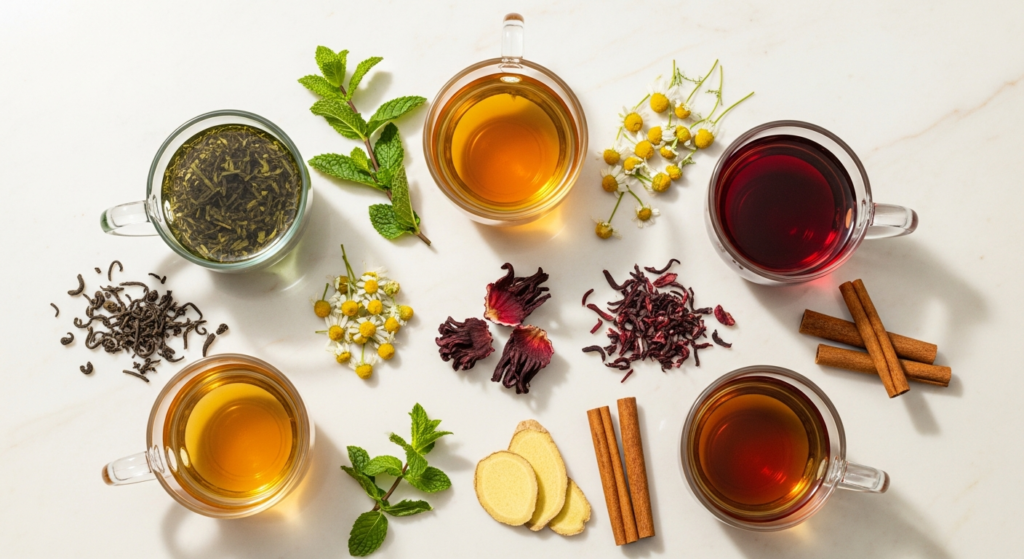
All tea comes from the same plant — Camellia sinensis. The difference between green, oolong, and black tea is oxidation: how long the leaves are exposed to oxygen after picking, which transforms their chemical profile.
- Green tea: 0-5% oxidized. High in catechins (especially EGCG). Minimal theaflavins.
- Oolong tea: 8-85% oxidized. Contains both catechins and theaflavins — a hybrid polyphenol profile.
- Black tea: 90-100% oxidized. Most catechins have converted to theaflavins and thearubigins.
This matters for weight management because catechins and theaflavins appear to influence fat metabolism through different pathways. Green tea relies heavily on EGCG inhibiting COMT (the enzyme that breaks down norepinephrine, a fat-mobilizing hormone). Black tea relies on theaflavins acting on gut microbiota and lipid absorption. Oolong sits in the middle — and that dual mechanism may be why it shows up so consistently in metabolic studies.
The polyphenol profile
Oolong’s partial oxidation creates a chemical profile that does not exist in either green or black tea. During oxidation, catechins dimerize into theaflavins and polymerize into thearubigins. In oolong, this process is stopped partway through, leaving a mixture of:
- Residual catechins (including some EGCG, though less than green tea)
- Theaflavins (the yellow-orange compounds found primarily in black tea)
- Oolong tea polymerized polyphenols (OTPPs) — unique compounds formed only during partial oxidation
These OTPPs are specific to oolong and have been shown in animal models to activate AMPK — a metabolic “master switch” that shifts cellular energy toward fat breakdown and away from fat storage (Yamashita et al., 2012, Archives of Biochemistry and Biophysics).
The Key Study: He et al. (2009) — Oolong Tea and Obesity
Published in the Chinese Journal of Integrative Medicine, this is the largest clinical trial specifically examining oolong tea’s effect on body weight in overweight and obese subjects.
Study design
102 participants — classified as overweight, obese, or severely obese — consumed 8 grams of oolong tea daily (brewed as approximately 4 cups) for 6 weeks. There was no other dietary intervention or exercise requirement. Researchers measured body weight, body fat content, and lipid profiles at baseline and at the 6-week mark.
Results
- 70% of severely obese subjects lost more than 1 kg of body weight in 6 weeks
- 22% of severely obese subjects lost more than 3 kg
- 64% of obese subjects and 66% of overweight subjects lost more than 1 kg
- Subcutaneous fat content decreased significantly across all groups
- Blood lipid profiles improved — total cholesterol and triglycerides decreased
What this means
The study had no placebo control and no dietary restriction — which means the weight loss occurred from adding oolong tea to participants’ existing habits, nothing else. The researchers attributed the effect to oolong’s ability to improve lipid metabolism, specifically through enhanced fat oxidation and reduced lipogenesis (fat creation).
The limitation: no placebo control means we cannot rule out the “awareness effect” — people may eat slightly less when they know they are in a study. But the consistency across weight categories (64-70% response rate) and the dose-response relationship with body fat make the findings meaningful.
Rumpler et al. (2001) — Fat Oxidation and Metabolic Rate
Published in the Journal of Nutrition, this study from the USDA’s Beltsville Human Nutrition Research Center used respiratory chamber measurements — the gold standard for metabolic testing — to quantify oolong’s effects.
Study design
Twelve male subjects consumed four different treatments over 24-hour periods in a respiratory chamber: full-strength oolong tea, caffeinated water matching oolong’s caffeine content, full-strength oolong tea with extra caffeine, and plain water. Researchers measured energy expenditure and fat oxidation continuously.
Results
- Fat oxidation increased by 12% when subjects drank full-strength oolong tea compared to water
- Energy expenditure increased by 2.9-3.4% (approximately 281-331 kJ/day, or 67-79 additional calories burned)
- Caffeine alone increased fat oxidation by about 20% — but oolong tea’s effect on respiratory quotient during sleep was greater than caffeine alone, suggesting the tea polyphenols have independent metabolic effects beyond caffeine
- The fat-burning shift was most pronounced during sleep, indicating oolong may enhance overnight fat oxidation
Why this study matters
The 12% increase in fat oxidation is modest in absolute terms. But it is statistically significant, reproducible, and — critically — it occurred from drinking tea. Not from a supplement. Not from an extract in a capsule. From brewed tea consumed throughout the day. The practical barrier to entry is essentially zero.
The sleep finding is particularly interesting. Most stimulant-based fat oxidation effects diminish as the body enters parasympathetic (rest) mode. Oolong’s polyphenols appear to sustain the fat-burning shift even during sleep, which suggests a mechanism distinct from simple caffeine stimulation.
Oolong vs. Green Tea vs. Black Tea for Weight Loss
All three teas have research supporting metabolic benefits. The differences are in mechanism, magnitude, and evidence quality.
| Factor | Green Tea | Oolong Tea | Black Tea |
|---|---|---|---|
| Oxidation level | 0-5% | 8-85% | 90-100% |
| Key polyphenols | EGCG, catechins | Catechins + theaflavins + OTPPs | Theaflavins, thearubigins |
| Caffeine per cup | 25-50 mg | 30-50 mg | 40-70 mg |
| Metabolic boost | 3-4% increase in energy expenditure (Dulloo et al., 1999) | 2.9-3.4% increase in energy expenditure (Rumpler et al., 2001) | Limited direct evidence for acute metabolic increase |
| Fat oxidation | Increased via COMT inhibition | 12% increase vs. water; enhanced overnight fat oxidation | May reduce fat absorption via gut microbiota modulation |
| Primary mechanism | EGCG inhibits COMT, prolonging norepinephrine signaling | Dual pathway: catechin + theaflavin activity, AMPK activation | Theaflavins reduce lipid absorption, alter gut bacteria |
| Clinical weight loss evidence | Strong — multiple meta-analyses (1-2 kg over 12 weeks typical) | Moderate — fewer studies but consistent results (1-3 kg over 6 weeks) | Emerging — limited clinical trials for weight specifically |
| Best for | Those who want the most-studied option with broadest evidence base | Those who want a milder flavor with dual-pathway metabolic support | Those who prefer a bold flavor and want gut health benefits alongside weight support |
The takeaway: green tea has more total research, but oolong’s unique polyphenol profile gives it metabolic properties that green tea does not fully replicate. They are complementary, not competing. If you are already drinking green tea and want to diversify, oolong is the strongest evidence-backed alternative.
How Much to Drink, When, and How to Brew
The studies above used specific amounts. Here is how to translate them into a daily routine.
Dose
- He et al. (2009): 8 grams of oolong tea per day, brewed as approximately 4 cups
- Rumpler et al. (2001): Full-strength oolong consumed throughout the day (approximately 4-5 servings)
- Practical recommendation: 3-4 cups per day (600-1000 ml). Start with 2 cups and increase over a week to assess caffeine tolerance.
Timing
- Morning (first cup): With or after breakfast. Oolong on an empty stomach can cause nausea in some people due to its tannin content.
- Mid-morning (second cup): 2-3 hours after the first. This maintains polyphenol levels in the bloodstream.
- Early afternoon (third cup): Before 2:00 PM if you are caffeine-sensitive. Oolong contains 30-50 mg caffeine per cup — less than coffee but enough to disrupt sleep if consumed too late.
- Optional fourth cup: Early afternoon only. If caffeine affects your sleep, cap it at 3 cups.
Brewing
- Water temperature: 185-205 degrees F (85-96 degrees C). Boiling water can scorch oolong leaves and destroy some polyphenols. Let boiling water sit for 1-2 minutes before pouring.
- Steep time: 3-5 minutes for the first infusion. Oolong leaves can be re-steeped 3-5 times, with flavor and polyphenol content shifting with each infusion.
- Leaf quantity: 2-3 grams per cup (approximately 1 teaspoon of rolled oolong or 2 tablespoons of strip-style oolong).
- Do not add milk. Casein proteins in milk bind to polyphenols and may reduce their bioavailability. Lemon is fine — vitamin C may actually enhance catechin absorption.
Realistic Expectations: What Oolong Tea Will and Will Not Do
The evidence supports oolong tea as a meaningful tool for weight management. It does not support oolong tea as a replacement for dietary changes or physical activity.
- What it can do: Increase fat oxidation by approximately 12%. Boost metabolic rate by 2.9-3.4%. Contribute to modest weight loss (1-3 kg over 6 weeks when consumed consistently). Improve lipid profiles. Provide sustained energy without the spike-and-crash of coffee.
- What it cannot do: Override a caloric surplus. Match the potency of pharmaceutical interventions like GLP-1 agonists. Produce dramatic weight loss on its own. Target specific body areas for fat reduction.
Think of oolong tea as a metabolic tailwind. It will not change your direction — but if you are already moving in the right direction with nutrition and activity, it will help you get there faster. And unlike most weight loss supplements, the risk profile is essentially zero for most adults.
A Note on Tea Blends and Weight Management
Oolong’s strength is its dual-pathway polyphenol profile. But it is not the only tea with evidence for metabolic support. Ginger root has demonstrated thermogenic properties. Ceylon cinnamon may improve insulin sensitivity. Hibiscus has shown modest effects on body weight in clinical trials.
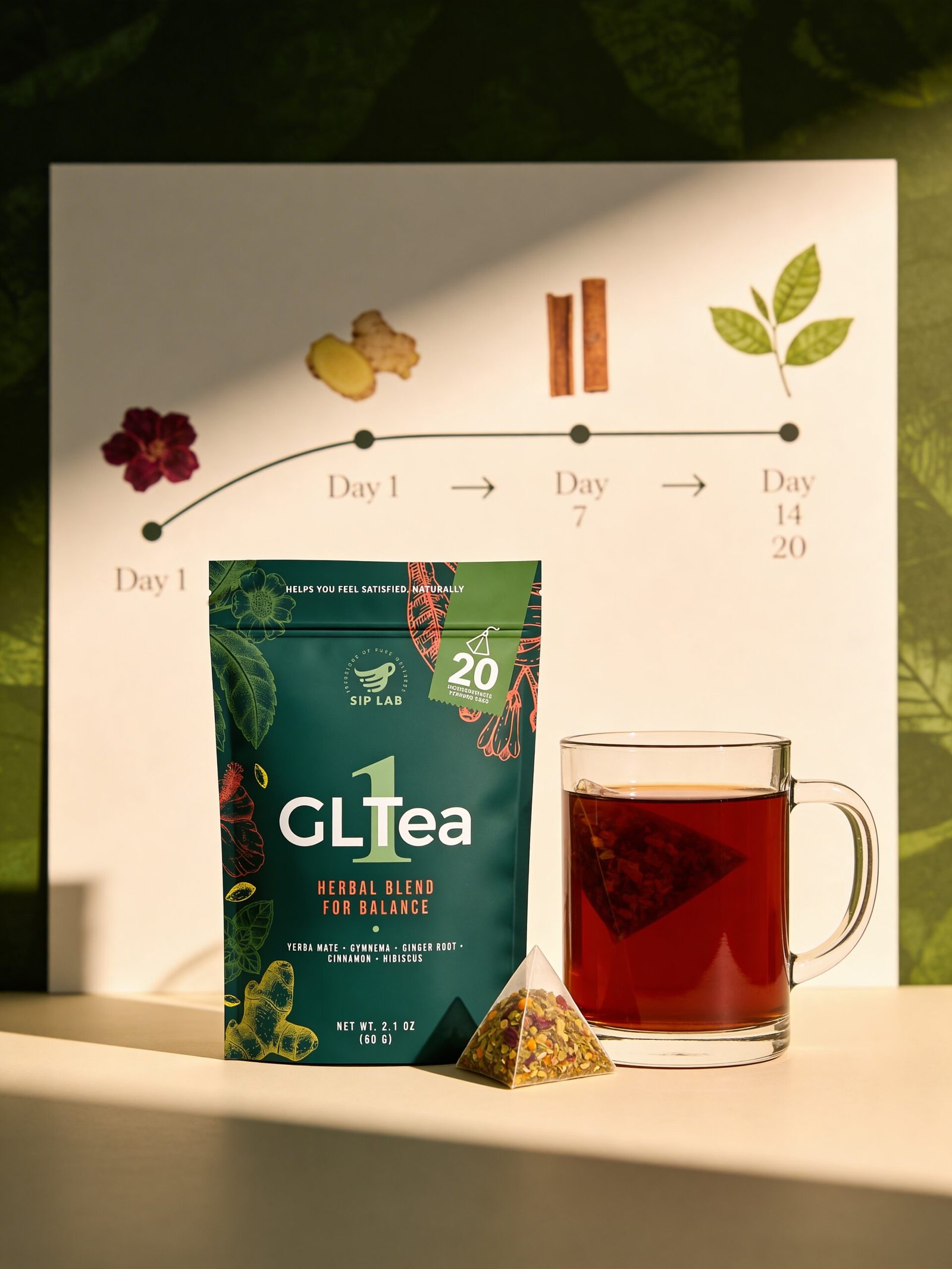
Blends that combine multiple evidence-backed ingredients — like GLTea-1, which pairs yerba mate with gymnema, ginger root, ceylon cinnamon, and hibiscus — aim to activate multiple metabolic pathways in a single cup rather than relying on one mechanism alone. It is a different approach than single-origin oolong, but the underlying logic is the same: use bioactive plant compounds to support the body’s existing metabolic processes.
Evidence Snapshot
- Rumpler et al. (2001) — Journal of Nutrition: Oolong tea increased fat oxidation by 12% and energy expenditure by 2.9-3.4% compared to water in a 24-hour respiratory chamber study with 12 male subjects.
- He et al. (2009) — Chinese Journal of Integrative Medicine: 102 overweight/obese subjects consuming 8g oolong tea daily for 6 weeks. 70% of severely obese participants lost >1 kg; 22% lost >3 kg.
- Yamashita et al. (2012) — Archives of Biochemistry and Biophysics: Oolong tea polymerized polyphenols (OTPPs) activated AMPK signaling in animal models, shifting metabolic priority toward fat oxidation.
- Zhang et al. (2018) — Food Science and Biotechnology: Aged oolong tea reduced high-fat diet-induced fat accumulation and dyslipidemia via AMPK/ACC signaling pathway regulation.
- Hursel et al. (2009) — International Journal of Obesity: Meta-analysis found catechin-caffeine mixtures (present in oolong) increased energy expenditure and fat oxidation across multiple trials.
Frequently Asked Questions
How long does it take for oolong tea to help with weight loss?
The metabolic effects — increased fat oxidation and energy expenditure — begin within hours of consumption. But measurable weight changes require consistency. The He et al. study showed significant weight loss at the 6-week mark with daily consumption of 4 cups. Expect 4-6 weeks of consistent daily intake before seeing changes on a scale.
Is oolong tea better than green tea for weight loss?
Neither is definitively “better.” Green tea has more total research and higher EGCG content. Oolong has a unique dual polyphenol profile (catechins + theaflavins) and shows comparable metabolic effects in head-to-head measurements. The Rumpler study found oolong increased energy expenditure by 2.9-3.4%, while Dulloo found green tea increased it by approximately 4%. The difference is within study variation. Choose based on taste preference and consistency — the best tea for weight loss is the one you will actually drink every day.
Can I drink oolong tea before bed?
Oolong contains 30-50 mg of caffeine per cup — roughly half of a cup of coffee. If you are caffeine-sensitive, stop drinking oolong by early afternoon (before 2:00 PM). Interestingly, the Rumpler study found oolong’s fat oxidation effect was most pronounced during sleep, so consuming it earlier in the day may still provide overnight metabolic benefits without disrupting sleep quality.
Does oolong tea reduce belly fat specifically?
No tea can target fat loss to a specific area — spot reduction is a persistent myth with no scientific basis. However, the He et al. study found that subcutaneous fat content decreased significantly across participants, and a 2020 study from the University of Tsukuba found that oolong tea enhanced fat breakdown specifically during sleep. The body tends to mobilize visceral (abdominal) fat preferentially during low-intensity fat oxidation, so consistent oolong consumption may disproportionately affect abdominal fat stores over time — but this is a systemic effect, not targeted.
How many calories does oolong tea burn per day?
Based on the Rumpler et al. (2001) data, full-strength oolong tea consumed throughout the day increases energy expenditure by approximately 67-79 calories over 24 hours compared to water. That is roughly equivalent to a 15-minute walk. Over a month, that adds up to approximately 2,000-2,400 additional calories burned — enough to account for roughly 0.3 kg (0.6 lbs) of fat loss per month from the metabolic effect alone, without any other changes.
Bottom Line
Oolong tea is one of the more evidence-backed teas for weight management. The research consistently shows a 12% increase in fat oxidation and a 2.9-3.4% increase in energy expenditure compared to water. Clinical trials demonstrate modest but real weight loss in overweight and obese populations with consistent daily consumption. It is not a miracle solution — but it is a safe, zero-calorie addition to a weight management strategy that has more clinical support than most supplements on the market.
Drink 3-4 cups per day. Brew at 185-205 degrees F. Skip the milk. Be consistent for at least 6 weeks before judging results.
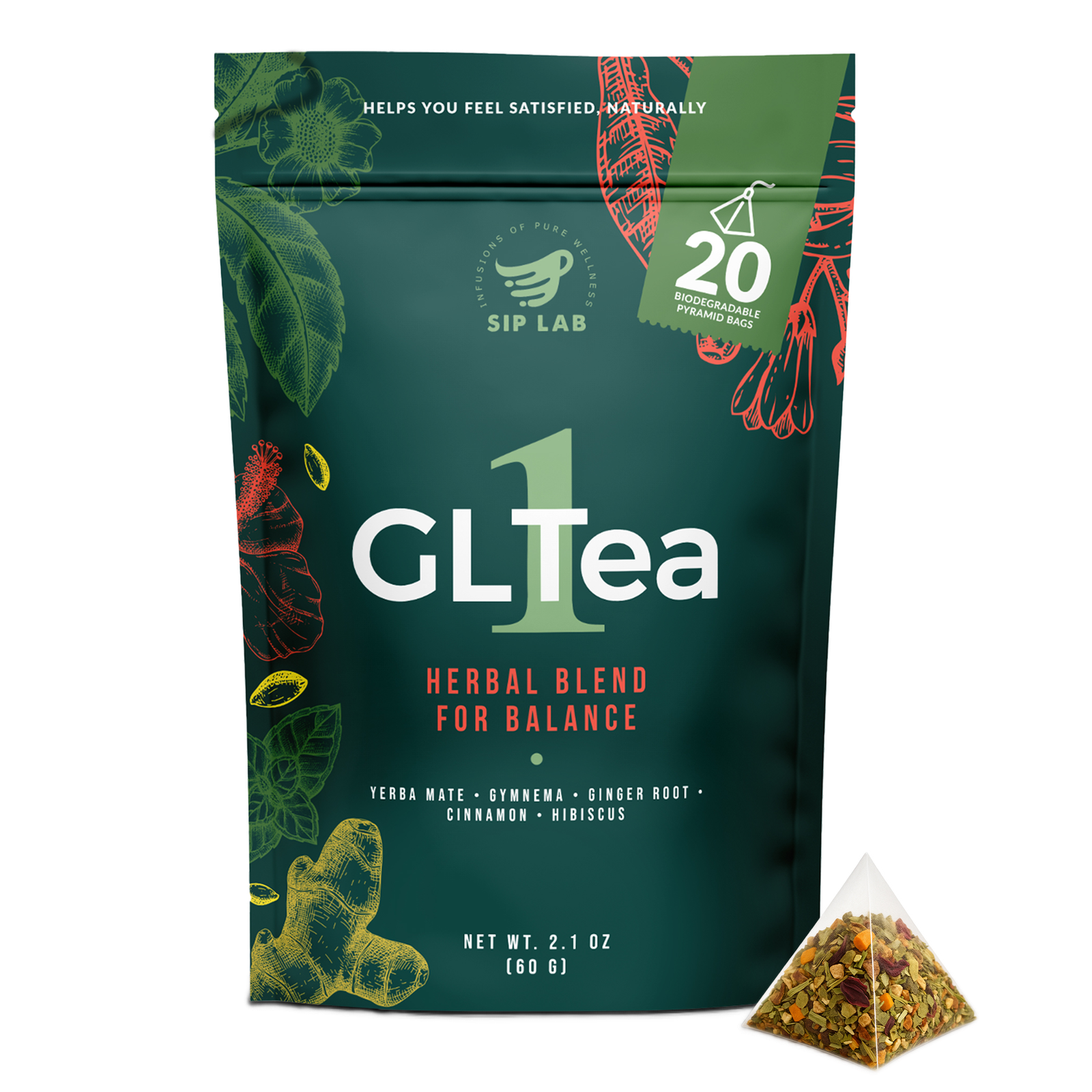
GLTea-1 — Herbal Blend for Balance
Yerba Mate + Gymnema + Ginger Root + Ceylon Cinnamon + Hibiscus
20 biodegradable pyramid bags • $12.99 (on sale) • Under $0.65/cup
*These statements have not been evaluated by the Food and Drug Administration. This product is not intended to diagnose, treat, cure, or prevent any disease. The information in this article is for educational purposes only and is not a substitute for professional medical advice.