Ginger tea supports weight loss through a thermogenic mechanism: its active compounds — primarily 6-gingerol and 8-gingerol — increase the thermic effect of food, promote feelings of fullness, and reduce low-grade inflammation that disrupts metabolic signaling. A 2012 pilot study in Metabolism found that 2 grams of ginger powder dissolved in hot water increased diet-induced thermogenesis by 42.7 kcal/day and significantly reduced hunger in overweight men. The effects are modest. But they are real, reproducible, and supported by a growing body of controlled trials.
This is what the evidence actually says — and what it does not.
The Thermogenic Mechanism: How Ginger Increases Calorie Burn
Thermogenesis is the process of heat production in the body, and it accounts for approximately 10% of total daily energy expenditure. When you eat food, your metabolism temporarily increases to digest, absorb, and process nutrients — this is called the thermic effect of food (TEF). Ginger amplifies this process.
6-Gingerol and 8-gingerol
Fresh ginger contains over 100 bioactive compounds, but the most pharmacologically relevant for weight management are the gingerols — a family of phenolic compounds concentrated in the rhizome. 6-Gingerol is the most abundant and best-studied, followed by 8-gingerol and 10-gingerol.
These compounds activate several metabolic pathways simultaneously:
- TRPV1 receptor activation — Gingerols bind to transient receptor potential vanilloid 1 (TRPV1) channels — the same receptors that capsaicin in chili peppers activates. This stimulates sympathetic nervous system activity and increases energy expenditure. The effect is milder than capsaicin, but it follows the same molecular mechanism.
- Beta-3 adrenergic receptor stimulation — 6-Gingerol has been shown to enhance the browning of white adipocytes (fat cells) through activation of the beta-3 adrenergic receptor (beta-3-AR) signaling pathway. Brown and beige fat cells burn calories to produce heat rather than storing energy, so this conversion — called “browning” — directly increases metabolic expenditure. Molecular docking studies confirmed that 6-gingerol, 8-gingerol, and 10-gingerol all have strong binding affinities for beta-3-AR (Wang et al., 2021, ScienceDirect).
- AMPK activation — Gingerols activate adenosine monophosphate-activated protein kinase (AMPK), a master metabolic regulator that shifts cellular metabolism toward fat oxidation and away from fat storage.
- Adipogenesis suppression — 6-Gingerol reduces the expression of adipogenesis-related transcription factors including SREBP-1, PPARgamma, and C/EBPalpha, while also suppressing lipogenesis genes like fatty acid synthase. In simpler terms: it makes it harder for the body to create new fat cells and fill existing ones (Li et al., 2021, Biomedicine & Pharmacotherapy).
The Mansour et al. (2012) thermogenesis study
The most frequently cited human study on ginger and thermogenesis was conducted by Mansour and colleagues, published in Metabolism. Ten overweight men (BMI 27.2) consumed a standardized breakfast with or without 2 grams of ginger powder dissolved in hot water. Energy expenditure was measured by indirect calorimetry for 6 hours post-meal.
Results:
- Thermic effect of food increased by 42.7 kcal/day (p = 0.049) in the ginger condition
- Hunger ratings decreased significantly (p = 0.002)
- Prospective food intake ratings decreased (p = 0.004)
- Fullness ratings trended higher (p = 0.064)
- No changes in glucose, insulin, lipids, or inflammatory markers
The study was small (10 subjects) and acute (single-meal design). It demonstrates a proof of mechanism rather than a long-term weight loss outcome. But the dual finding — increased calorie burn plus reduced hunger — is exactly the kind of combination that contributes to weight management over time when applied consistently.
Appetite Regulation: Why Ginger Reduces Hunger
Ginger’s appetite-suppressing effects appear to work through multiple pathways beyond thermogenesis:
- Gastric motility modulation — Ginger accelerates gastric emptying in some contexts but also increases the feeling of fullness, possibly by stimulating stretch receptors and modulating gut peptide signaling. A study published in the European Journal of Gastroenterology & Hepatology (2008) found that 1.2 grams of ginger powder accelerated gastric emptying by approximately 4 minutes while simultaneously reducing antral contractions.
- GLP-1 and gut hormone effects — Emerging preclinical evidence suggests ginger compounds may influence incretin hormones including GLP-1, though robust human data on this specific pathway remains limited.
- Nausea reduction — Ginger is one of the most well-documented natural anti-emetics. By reducing nausea and gastrointestinal discomfort, it may indirectly support regular eating patterns that prevent compensatory overeating.
Anti-Inflammatory Benefits for Metabolic Health
Chronic low-grade inflammation is increasingly recognized as both a cause and consequence of obesity. Inflamed adipose tissue produces pro-inflammatory cytokines (TNF-alpha, IL-6, CRP) that impair insulin signaling, promote insulin resistance, and create a metabolic environment that favors fat storage over fat mobilization.
Ginger directly addresses this cycle:
- CRP reduction — A meta-analysis of 16 randomized controlled trials (1,010 participants) found significant reductions in circulating C-reactive protein (CRP), high-sensitivity CRP (hs-CRP), and TNF-alpha after ginger supplementation (Jalali et al., 2020, Cytokine).
- Insulin sensitivity improvement — A clinical trial in type 2 diabetes patients showed that 1,600 mg/day of ginger for 12 weeks significantly decreased fasting blood sugar, HbA1c, insulin, triglycerides, total cholesterol, CRP, and prostaglandin E2 compared to placebo (Mozaffari-Khosravi et al., 2014, Complementary Therapies in Medicine).
- Prostaglandin and leukotriene suppression — Gingerols inhibit cyclooxygenase and lipoxygenase pathways, reducing the formation of pro-inflammatory prostaglandins and leukotrienes — the same pathways targeted by NSAIDs like ibuprofen, though at much lower potency.
This anti-inflammatory effect does not directly burn fat. But by improving the metabolic environment — better insulin signaling, reduced inflammatory cytokines, lower oxidative stress — it removes barriers that make fat loss more difficult. Think of it as clearing the road rather than pushing the car.
What the Meta-Analyses Show: Weight Loss Numbers
A GRADE-assessed systematic review and dose-response meta-analysis of 27 randomized controlled trials involving 1,309 participants (Anh et al., 2024, Nutrition Reviews) found:
- Body weight reduction: -1.52 kg
- BMI reduction: -0.58 kg/m2
- Waist circumference reduction: -1.04 cm
- Body fat percentage reduction: -0.87%
- Effective dose: 2 g/day
- Effective duration: longer than 8 weeks
The evidence certainty was rated low to very low depending on the outcome measure. These are statistically significant but clinically modest effects — roughly comparable to what green tea catechins produce. Ginger is not a weight loss solution on its own. It is a metabolic adjunct: a small, consistent push in the right direction when combined with dietary changes and physical activity.
Ginger Tea and Green Tea Together: Do They Work Better Combined?
Green tea with ginger is one of the most searched tea combinations for weight loss, and the pairing is mechanistically sound: the two work through different, complementary pathways. Green tea’s EGCG-caffeine synergy increases fat oxidation and 24-hour energy expenditure, while ginger’s gingerols add thermogenesis, post-meal appetite reduction, and digestive support. Combining them stacks two modest effects rather than duplicating one.
- What the evidence supports: each ingredient has independent meta-analysis support for small reductions in body weight and waist circumference. No large trial has tested the combination directly, so treat “green tea + ginger” claims of amplified results as plausible, not proven.
- How to combine them: brew them together (green tea leaves plus 2-3 slices of fresh ginger, steeped at 80°C for 3 minutes), or split them across the day — green tea in the morning for the caffeine window, ginger tea after meals for appetite and digestion.
- Who should skip the combo: if you are caffeine-sensitive, keep the green tea before noon or use ginger alone — ginger is naturally caffeine-free.
For the full research record on the green tea side, see our green tea for weight loss guide. For a caffeine-free evening complement, chamomile covers the sleep-and-stress side of the equation.
How to Brew Ginger Tea for Maximum Benefit
Preparation method matters. The bioactive compounds in ginger — particularly the gingerols — are sensitive to processing, heat, and extraction time.
- Fresh ginger root — Slice 1-2 inches of fresh, unpeeled ginger root (about 10-15 grams). Bring 2 cups of water to a boil, add the ginger, and simmer for 10-15 minutes. Longer simmering extracts more gingerols but also converts some 6-gingerol to 6-shogaol (a dehydration product that is actually more potent thermogenically). Strain and drink.
- Dried ginger powder — Use 1-2 grams of dried ginger powder per cup. Stir into hot (not boiling) water and let steep for 5 minutes. Dried ginger has higher concentrations of shogaols, which form during the drying process.
- Timing — The Mansour et al. study used ginger with a meal, and the thermogenic effect was measured as an increase in the thermic effect of food. Drinking ginger tea 15-30 minutes before or with a meal aligns best with the research protocol.
- Consistency — The meta-analysis found effective results with daily use for 8+ weeks. A single cup of ginger tea will not produce measurable weight loss. Daily use over months is the pattern supported by evidence.
Fresh Ginger vs. Dried vs. Extract: Which Form Works Best
| Form | Key Compounds | Gingerol Content | Best Use Case | Key Limitation |
|---|---|---|---|---|
| Fresh ginger root | High in 6-gingerol, 8-gingerol, 10-gingerol | Highest bioavailable gingerol concentration | Daily tea brewing; most closely matches study protocols | Requires preparation; potency varies by freshness and source |
| Dried ginger powder | Higher in shogaols (formed during drying); lower gingerols | Lower gingerol, but shogaols are more thermogenically potent | Convenient; used in the Mansour et al. (2012) study at 2g | Quality varies widely between brands; less research on shogaol-specific effects |
| Ginger extract capsules | Standardized gingerol content; concentrated | Varies by product (typically 5% gingerols) | Precise dosing; clinical trial replication | Misses the gastric and oral stimulation effects of drinking tea |
| Ginger in herbal blends | Combined with synergistic ingredients | Lower per-serving ginger, but multi-mechanism approach | Complementary effects with other metabolic herbs | Ginger dose may be below study thresholds |
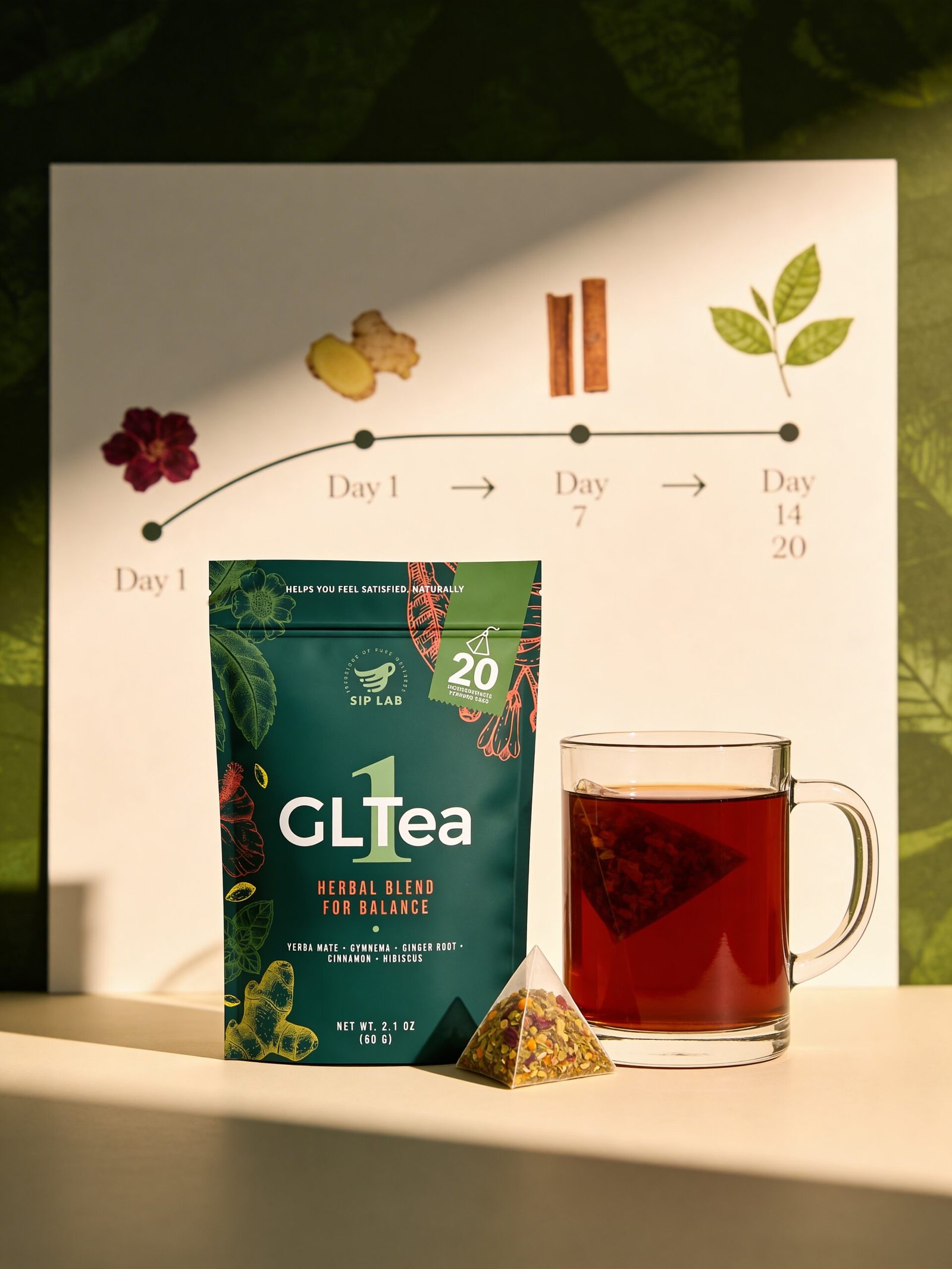
For weight management specifically, dried ginger powder at 2 grams per day (the dose used in the Mansour thermogenesis study) or fresh ginger root simmered into tea represent the best-supported approaches. GLTea-1 includes ginger root alongside yerba mate, gymnema, ceylon cinnamon, and hibiscus — combining ginger’s thermogenic mechanism with complementary pathways for blood sugar regulation and metabolic support.
Evidence Snapshot
- Mansour et al., 2012 (Metabolism) — Pilot study, 10 overweight men: 2g ginger increased thermic effect of food by 42.7 kcal/day (p = 0.049) and reduced hunger (p = 0.002)
- Anh et al., 2024 (Nutrition Reviews) — Meta-analysis of 27 RCTs, 1,309 participants: ginger reduced body weight by -1.52 kg, BMI by -0.58, waist circumference by -1.04 cm
- Jalali et al., 2020 (Cytokine) — Meta-analysis of 16 RCTs, 1,010 participants: significant reductions in CRP, hs-CRP, and TNF-alpha
- Li et al., 2021 (Biomedicine & Pharmacotherapy) — 6-Gingerol reduced body weight, WAT mass, and adipogenesis transcription factors in HFD-fed mice
- Mozaffari-Khosravi et al., 2014 (Complementary Therapies in Medicine) — 1,600 mg/day ginger for 12 weeks reduced fasting blood sugar, HbA1c, insulin, CRP, and PGE2 in type 2 diabetes
Frequently Asked Questions
How much ginger tea should I drink for weight loss?
The most effective dose identified in meta-analyses is 2 grams of dried ginger per day, consumed consistently for at least 8 weeks. This is roughly equivalent to 2-3 cups of ginger tea brewed from fresh root (1-2 inches per cup) or 1 teaspoon of dried ginger powder dissolved in hot water. Single-serving or occasional use has not been shown to produce measurable effects.
Can ginger tea help with belly fat specifically?
The meta-analysis found a modest reduction in waist circumference (-1.04 cm) and body fat percentage (-0.87%) with ginger supplementation. The anti-inflammatory effects of gingerols may be particularly relevant for visceral fat, since abdominal fat tissue is a major source of inflammatory cytokines. However, ginger does not selectively target belly fat. The waist circumference reduction reflects overall body composition changes rather than spot reduction.
Is ginger tea safe during pregnancy?
Ginger has been studied for pregnancy-related nausea and is generally considered safe at doses up to 1 gram per day during pregnancy. However, higher doses used for metabolic effects (2+ grams/day) have not been well-studied in pregnant populations. Consult your healthcare provider before using ginger therapeutically during pregnancy.
Does ginger interact with medications?
Ginger may interact with blood thinners (warfarin, aspirin) by inhibiting platelet aggregation, potentially increasing bleeding risk. It may also enhance the effects of diabetes medications, increasing the risk of hypoglycemia. If you take blood thinners or blood sugar medications, consult your doctor before adding high-dose ginger to your routine.
How long does it take for ginger tea to show results?
The thermogenic effect (increased calorie burn after meals) occurs acutely — within hours of consumption, as shown in the Mansour et al. study. However, measurable changes in body weight, waist circumference, or body composition require consistent daily use for at least 8 weeks, based on the meta-analysis findings. Ginger tea is a long-term daily practice, not a quick fix.
The Bottom Line
Ginger tea produces a small, consistent thermogenic effect that increases the calorie cost of digesting food and reduces post-meal hunger. The active compounds — 6-gingerol and 8-gingerol — work through TRPV1 receptor activation, beta-3 adrenergic receptor stimulation, and systemic anti-inflammatory effects that improve the metabolic environment for fat loss. Meta-analyses show approximately 1.5 kg of additional weight loss over 8+ weeks at a dose of 2 grams per day.
These are not dramatic numbers. But for a safe, inexpensive, food-based intervention with no significant side effects at standard doses, the risk-benefit ratio is favorable. Ginger tea will not replace a calorie deficit or an exercise program. It is a daily thermogenic tool that makes those interventions slightly more effective — and that compounds over time.
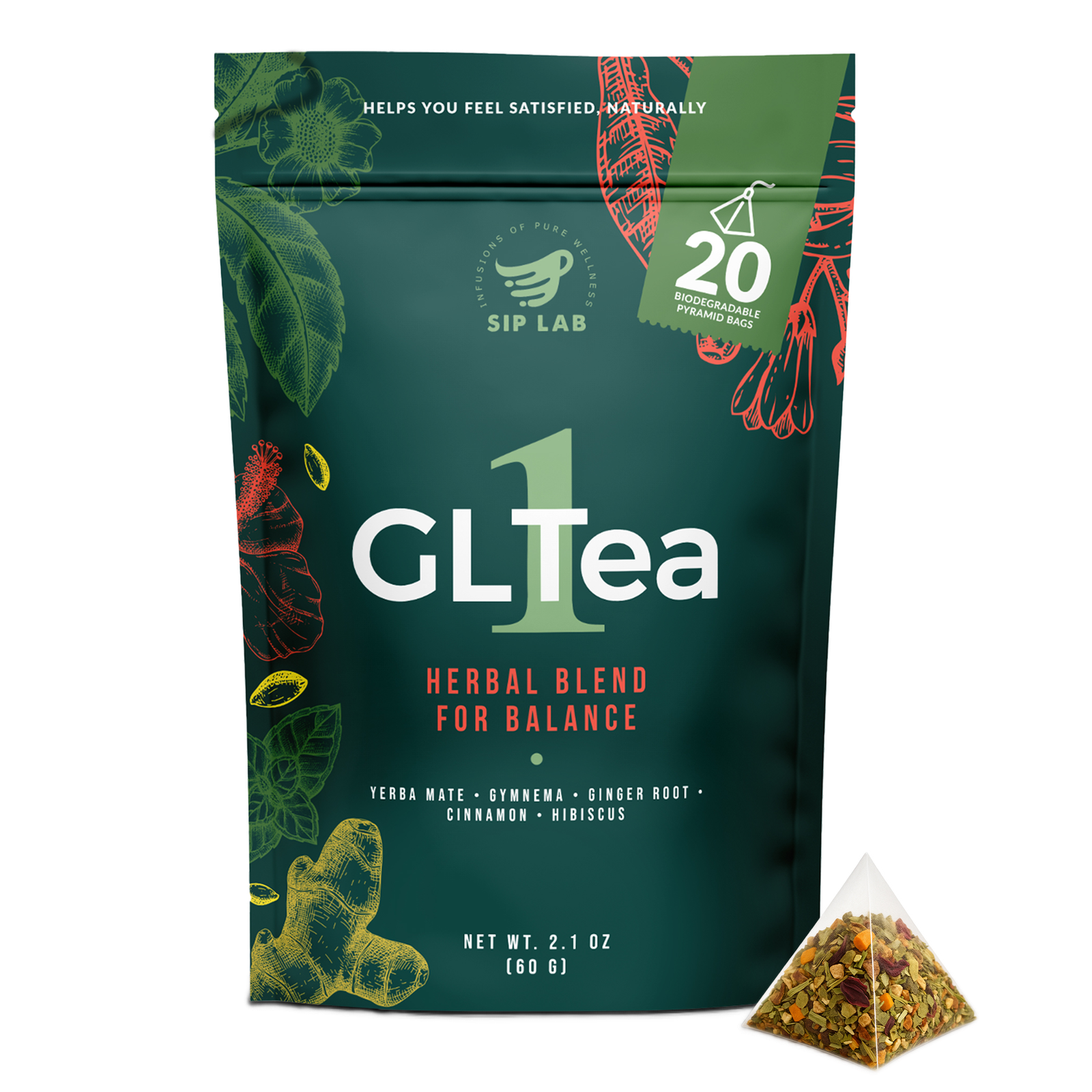
GLTea-1 — Herbal Blend for Balance
Yerba Mate + Gymnema + Ginger Root + Ceylon Cinnamon + Hibiscus
20 biodegradable pyramid bags • $12.99 (on sale) • Under $0.65/cup
This article is for informational purposes only and is not intended to diagnose, treat, cure, or prevent any disease. These statements have not been evaluated by the Food and Drug Administration. Consult your healthcare provider before starting any new supplement or making significant changes to your diet.