The yerba mate category has matured fast. What used to be a choice between Guayakí cans and a bag of Cruz de Malta is now a real category: traditional loose leaf, mass-market tea bags, premium pyramid sachets, ready-to-drink cans, and a new generation of multi-botanical blends. Below are the 10 brands worth knowing in 2026 — compared by format, blend, caffeine, origin, and price per cup. We sell one of them, and we have included it the same way we describe the other nine.
Yerba mate is the leaf of Ilex paraguariensis, a holly tree native to subtropical South America. It has been brewed for centuries across Argentina, Paraguay, Uruguay, and southern Brazil for steady, smooth energy. The leaf contains caffeine — about 70-80 mg in an 8 oz cup — alongside theobromine and theophylline, two related alkaloids that contribute to the characteristic profile yerba mate drinkers describe as “energy without the spike.”
The 10 brands below cover the practical range of what someone in the U.S. can actually buy in 2026. They are listed alphabetically by brand. Pick the one whose format, blend approach, and price match how you actually want to drink yerba mate — not the one with the loudest packaging.
The Shortlist at a Glance
| Brand | Format | Blend | Price / Cup | Best For |
|---|---|---|---|---|
| Cruz de Malta | Loose leaf, 1 kg | Single-ingredient | ~$0.05 | Traditional Argentine ritual |
| ECOTEAS Premium Organic | Tea bags, 100 ct | Single-ingredient | ~$0.27 | Bulk organic tea-bag drinker |
| FullChea Argentina | Tea bags, 40 ct | Single-ingredient | ~$0.21 | Budget-conscious daily cup |
| Guayakí Traditional | Tea bags & loose leaf | Single-ingredient | ~$0.40 | Brand familiarity, multiple formats |
| Numi Organic Mate Lemon | Tea bags | Mate + lemon & herbs | ~$0.45 | Lighter, flavored cup |
| The Sip Lab GLTea-1 | Pyramid sachets, 20 ct | 8-botanical blend | ~$0.95 | Multi-botanical ritual, single brand-led blend |
| Tozzy Organic Unsmoked | Pyramid bags, 100 ct | Single-ingredient | ~$0.22 | Bulk pyramid format |
| Traditional Medicinals | Tea bags | Single-ingredient | ~$0.35 | Trusted herbal tea brand, simple pour |
| Yerba Madre Bluephoria | 15.5 oz cans (RTD) | Mate + flavor | ~$2.80 / can | Cold, ready-to-drink, on-the-go |
| Yogi Tea Yerba Mate Energy | Tea bags, 16 ct | Mate + green tea + ginseng | ~$0.30 | Multi-leaf energy blend, low caffeine |
Price per cup is calculated from current Amazon / brand retail at writing and rounded for comparison. Actual prices fluctuate.
1. Cruz de Malta — The Traditional Argentine Loose Leaf
Format: 1 kg loose leaf, traditional cut. Origin: Argentina. Caffeine: ~70 mg / 8 oz cup (typical).
Cruz de Malta is one of the oldest yerba mate brands in Argentina and the easiest way to drink yerba mate the traditional way. The cut is fine, the flavor is bold and slightly smoky, and a 1 kg bag will last most drinkers months. You brew it the traditional way — in a gourd with a metal straw (bombilla), refilling the water multiple times until the leaf is spent.
Best for: Drinkers who want the cultural ritual, not the convenience. Once you know the loose-leaf method, the per-cup cost is the lowest in the category.
Limitations: Requires a gourd and bombilla, which is a small commitment. The smoky character is not for everyone — if you prefer cleaner profiles, look at the unsmoked options below.
2. ECOTEAS Premium Organic Yerba Mate Tea Bags — The Bulk Organic Pick
Format: 100 unsmoked organic tea bags per box. Origin: Argentina. Caffeine: ~70 mg / 8 oz cup.
ECOTEAS is one of the most-cited yerba mate tea-bag brands and a category staple on Amazon. The unsmoked organic leaf is well-balanced — not as bold as Cruz de Malta loose leaf, but cleaner. Certified Kosher, Non-GMO, gluten-free. The 100-count box drops the per-cup cost to one of the lowest in the bagged category.
Best for: Drinkers who want yerba mate as a daily routine without committing to loose leaf, and who care about organic certification.
Limitations: Single-ingredient — no botanical complexity. The bag itself is a flat paper tea bag, not a pyramid sachet, which limits how much aroma the leaf releases.
3. FullChea Argentina Yerba Mate Tea Bags — The Budget Pick
Format: 40 tea bags, 3g each. Origin: Argentina. Caffeine: ~70 mg / 8 oz cup.
FullChea is one of the most affordable single-ingredient yerba mate options that still uses unsmoked Argentine leaf. Reviews tend to praise the value-to-flavor ratio. The 3-gram bag is full-strength — comparable to what premium pyramid sachets offer at a higher price.
Best for: Daily drinkers on a budget who want unsmoked Argentine leaf without paying for premium packaging.
Limitations: No certifications, no blend, basic paper bag format. The brand has a smaller U.S. presence than ECOTEAS or Guayakí.
4. Guayakí Traditional Yerba Mate — The Brand-Familiarity Pick
Format: Available as loose leaf, tea bags, and ready-to-drink cans. Origin: Argentina & Brazil. Caffeine: Varies by SKU — 70-150 mg.
Guayakí is the brand that built the yerba mate category in the U.S. They publish detailed sourcing information, hold Fair Trade and organic certifications, and the lineup is the broadest in the category — from loose leaf to bagged tea to canned RTD. If you want to try yerba mate across multiple formats from a single brand, Guayakí is the easiest path.
Best for: First-time yerba mate drinkers who want a familiar brand, and existing drinkers who want format variety.
Limitations: Premium pricing across the lineup. Single-ingredient throughout — no botanical blends.
5. Numi Organic Mate Lemon — The Flavored Pick
Format: Tea bags, organic. Origin: South America. Caffeine: ~60 mg / 8 oz cup.
Numi is a well-established U.S. organic tea brand, and Mate Lemon is their accessible yerba mate option. The lemongrass and lemon myrtle in the blend lift the underlying yerba mate flavor — sharper and more citrusy than straight mate. A good entry point if pure yerba mate tastes too vegetal at first.
Best for: Drinkers who want yerba mate’s energy character but prefer brighter, more citrus-forward flavors.
Limitations: Citrus-forward profile won’t appeal to drinkers who specifically want the bold, grassy character of pure yerba mate. The blend dilutes the leaf’s traditional flavor.
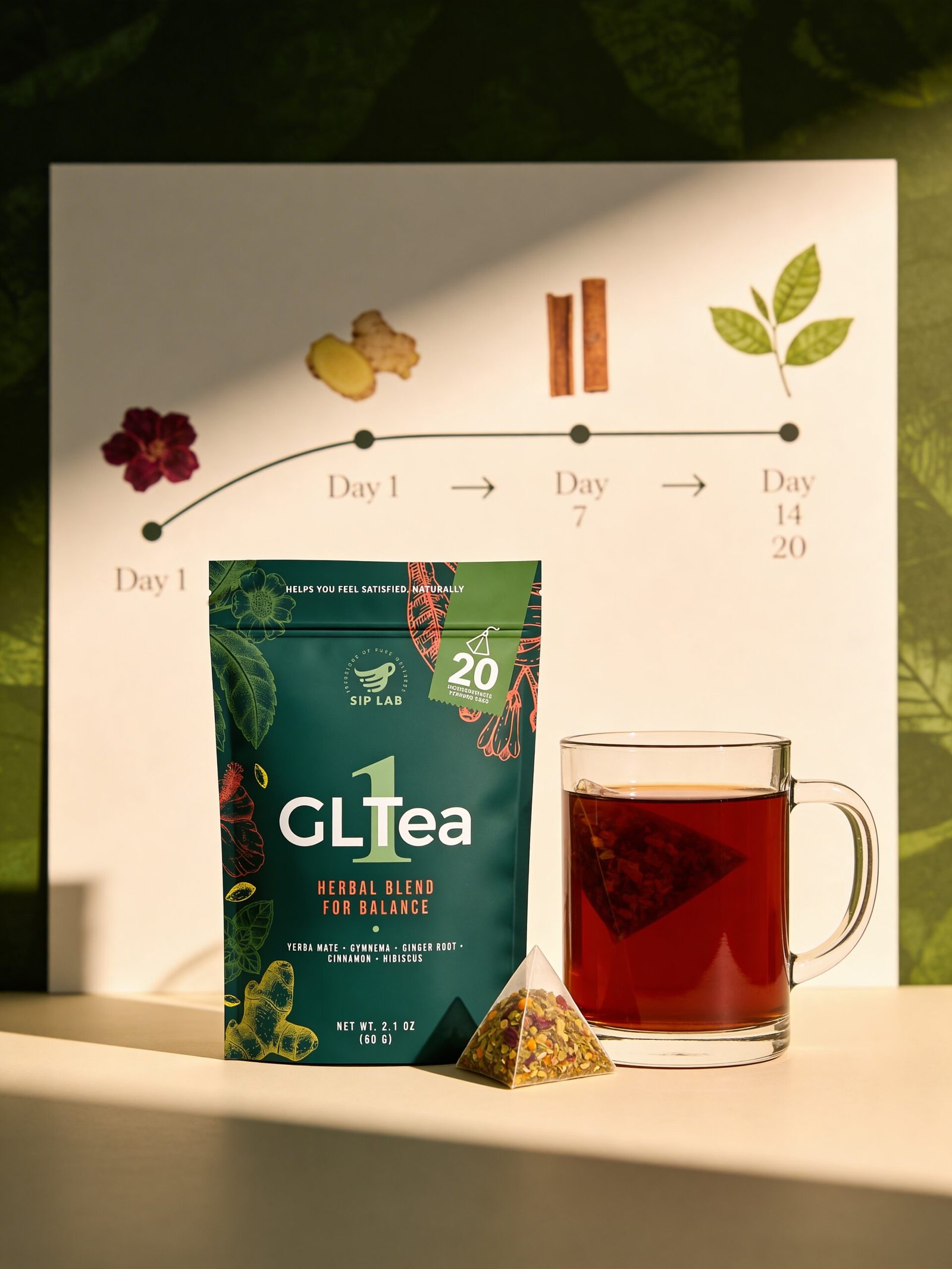
6. The Sip Lab GLTea-1 — The 8-Botanical Pyramid Sachet Blend
Format: 20 biodegradable pyramid sachets, 3g each. Origin: Crafted in the USA with globally sourced botanicals. Caffeine: Medium (~70 mg / 8 oz cup).
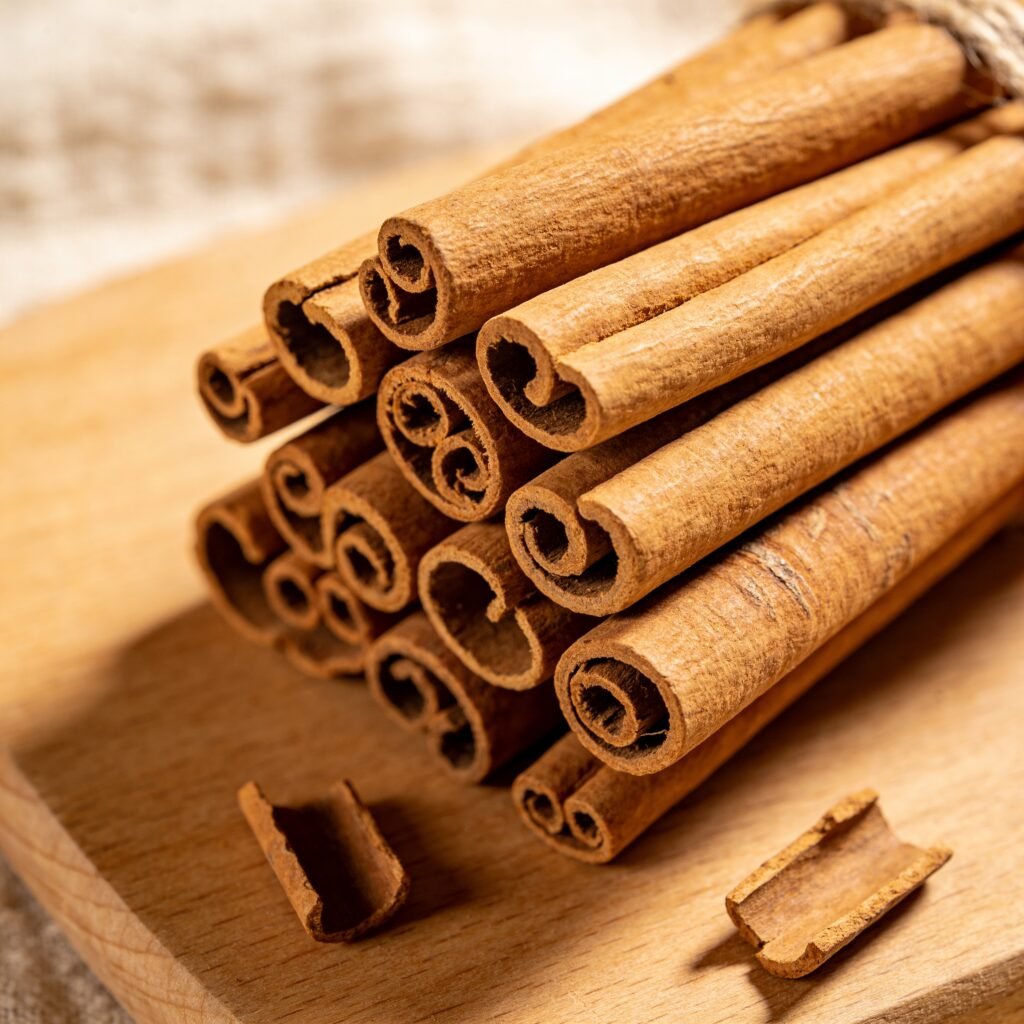
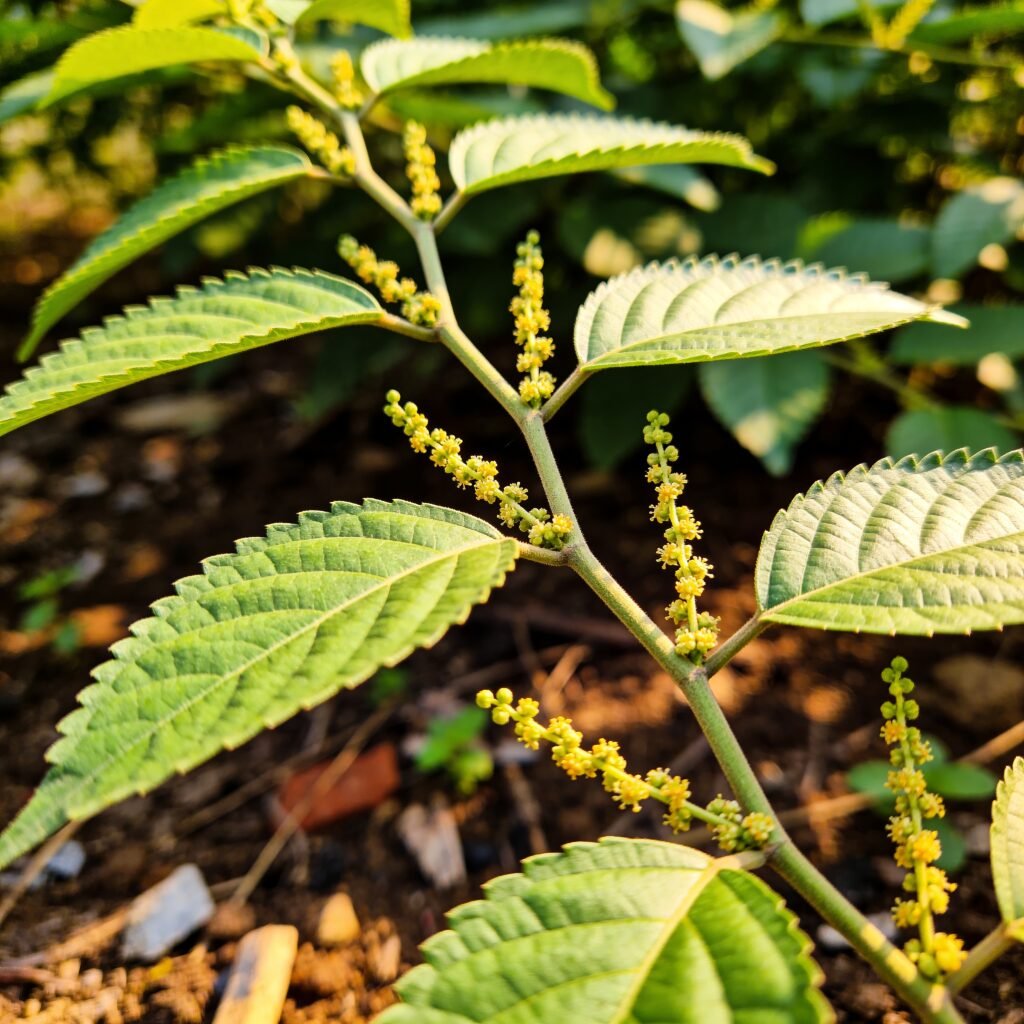
Full disclosure — this is our brand. GLTea-1 takes a different approach from the single-ingredient yerba mates above: yerba mate is the primary leaf, but it sits inside an 8-botanical blend that includes Gymnema Sylvestre, Ceylon cinnamon, ginger root, hibiscus, turmeric, lemongrass, and licorice root. Every botanical is named on the box — no proprietary blends. The pyramid sachets are biodegradable and non-GMO, and each one holds a full 3 grams of whole-leaf and root botanicals with room to unfurl during steeping.
Best for: Drinkers who want yerba mate as part of a multi-botanical ritual, not as a single leaf. People who like ginger, cinnamon, and hibiscus on the same palate as mate. People who specifically want a U.S.-crafted blend rather than imported single-leaf.
Limitations: At ~$0.95/cup, GLTea-1 is the highest per-cup price in this comparison — the multi-botanical formula and the pyramid sachet drive the cost. If you want plain yerba mate, several brands above will give it to you for a quarter the price. We position GLTea-1 as a ritual cup, not a bulk drinker.
7. Tozzy Organic Unsmoked Yerba Mate — The Alternative Pyramid Pick
Format: 100 plant-based pyramid bags. Origin: Argentina. Caffeine: ~70 mg / 8 oz cup.
Tozzy is one of the only other brands offering pyramid sachets in yerba mate, and the only one at bulk volume. The leaf is unsmoked and organic, and the 100-count box drops the per-cup cost well below other pyramid-format options. The blend is single-ingredient — pure yerba mate — which makes it directly comparable to ECOTEAS and FullChea on flavor.
Best for: Drinkers who want the pyramid sachet format and prefer pure single-leaf yerba mate over multi-botanical blends.
Limitations: Single-ingredient — no flavor complexity. Distribution is narrower than Guayakí or ECOTEAS; check stock before committing.
8. Traditional Medicinals Yerba Mate — The Simple Pure-Leaf Pick
Format: Standard tea bags. Origin: South America. Caffeine: ~60 mg / 8 oz cup.
Traditional Medicinals is one of the longest-running herbal tea brands in the U.S., and their yerba mate is the simplest, most accessible bagged option from a name shoppers recognize. Single-ingredient, organic, kosher. No frills, no marketing claims — just the leaf in a paper bag.
Best for: Drinkers who want yerba mate as part of a broader herbal tea rotation and prefer a familiar grocery-store brand.
Limitations: Standard paper bag format. Less leaf surface area per bag than pyramid sachets, which means slightly thinner extraction.
9. Yerba Madre Bluephoria — The Canned Ready-to-Drink Pick
Format: 15.5 oz cans, 12-pack. Origin: Sourced and brewed by Yerba Madre (Guayakí). Caffeine: 150 mg / can.
If you want yerba mate cold and ready-to-drink, Yerba Madre (a Guayakí brand) makes the category leader. Bluephoria pairs the yerba mate with a fruit-forward flavor and clocks in at 150 mg of natural caffeine — almost double a hot cup, and clearly positioned as a coffee replacement for the can-grabbing morning routine.
Best for: Coffee drinkers transitioning to yerba mate who want the same grab-and-go format. Office desk, gym bag, road trip.
Limitations: Per-serving cost is significantly higher than any bagged option. Cans add packaging waste. The added flavor and sweetening will not appeal to drinkers who want plain yerba mate.
10. Yogi Tea Yerba Mate Energy — The Multi-Leaf Energy Blend
Format: 16 tea bags, organic. Origin: Globally sourced. Caffeine: ~60 mg / 8 oz cup.
Yogi blends yerba mate with green tea, assam black tea, and ginseng — a multi-leaf approach to natural energy rather than a single-leaf yerba mate. The flavor is more familiar to a U.S. tea drinker than pure mate; the energy profile is layered across three caffeine sources. A common entry point for first-time yerba mate drinkers who are not ready for the full leaf character.
Best for: Drinkers transitioning from green tea or black tea who want yerba mate’s character without the full intensity.
Limitations: Yerba mate is only one of four leaves — the experience is not really a yerba mate cup, it’s a blend that includes yerba mate. Per-bag yerba mate content is lower than single-ingredient brands.
How to Choose: Five Questions That Filter the Category
Ten brands is a lot. Five questions will get you to two or three that actually fit how you drink tea.
1. Pure yerba mate, blend, or canned? If you want a single-leaf cup, look at Cruz de Malta (loose), Tozzy or ECOTEAS (pyramid/bagged), or Guayakí across formats. If you want a multi-botanical blend, GLTea-1 or Yogi. If you want grab-and-go, Yerba Madre cans.
2. Smoked or unsmoked? Most premium U.S.-available yerba mate is now unsmoked. Cruz de Malta is a traditional cut that retains some smoky character. ECOTEAS, FullChea, Tozzy, and most pyramid blends are unsmoked. If you do not know yet, start unsmoked.
3. How much do you want to spend per cup? Loose leaf is cheapest at ~$0.05/cup. Bulk tea bags (ECOTEAS, FullChea, Tozzy) run $0.20-$0.30. Branded tea bags (Guayakí, Numi, Traditional Medicinals) run $0.35-$0.45. Multi-botanical premium blends like GLTea-1 run closer to $0.95. Canned RTD is $2-$3 per can.
4. Bagged or pyramid sachet? Flat paper bags usually hold smaller-cut leaf or fannings. Pyramid sachets hold whole-leaf and root botanicals with room to expand, which gives a deeper extraction — especially for blends with multiple ingredients. For single-leaf yerba mate, the difference is real but smaller. For multi-botanical blends, pyramid sachets matter more.
5. What does your kitchen actually do? Loose leaf needs a gourd and bombilla (or a French press if you are improvising). Tea bags work in any cup. Cans need a fridge. If the format does not match how you already make drinks, you will not drink the tea — no matter how good the leaf is.
A Note on Caffeine
Yerba mate sits between green tea (~30 mg / 8 oz cup) and brewed coffee (~95-100 mg / 8 oz cup) on caffeine. The classic 8 oz cup of brewed yerba mate runs ~70-80 mg, and the canned RTD versions concentrate that to 150 mg per can. Yerba mate also contains theobromine and theophylline — two related compounds also found in cacao and tea respectively — which contribute to the smoother, more sustained energy profile that yerba mate drinkers describe.
If caffeine sensitivity is a concern, start with a single 8 oz cup mid-morning and adjust from there. A pyramid sachet of GLTea-1 brewed for the recommended 3-5 minutes lands in the medium-caffeine zone.
Frequently Asked Questions
Is yerba mate stronger than coffee?
A typical 8 oz cup of yerba mate contains roughly 70-80 mg of caffeine, compared to 95-100 mg in the same size cup of brewed coffee. Yerba mate is in the same caffeine class as a strong black tea, not espresso. Many drinkers describe the energy profile as smoother because yerba mate also contains theobromine, the same alkaloid found in cacao, which contributes to a more sustained release.
What is the difference between a yerba mate tea blend and pure yerba mate?
Pure yerba mate contains only Ilex paraguariensis leaves, traditionally dried, cut, and brewed by themselves. A yerba mate blend combines yerba mate with other botanicals (ginger, cinnamon, gymnema, hibiscus, etc.) for flavor and ritual. Pure yerba mate has a stronger, more grassy character. Blends are smoother and often more accessible for first-time drinkers.
What does “unsmoked” yerba mate mean?
Traditional Argentine yerba mate is often dried over open wood fires, which gives the leaves a smoky character. Unsmoked — sometimes called “air-dried” or “green” — skips that step, producing a lighter, more vegetal flavor and a cleaner finish. Most premium yerba mate sold in North America in 2026 is unsmoked.
What is a pyramid sachet and does it matter?
A pyramid sachet is a 3D mesh tea bag, usually biodegradable, that gives whole-leaf herbs and roots room to expand during steeping. Compared to flat paper bags — which typically hold fannings and dust — pyramid sachets release more aroma and a deeper flavor extraction. For botanical blends with multiple ingredients, the format difference is meaningful.
How long should I steep yerba mate tea?
Steep yerba mate tea bags or pyramid sachets in 8-10 oz of hot water (185-198°F, just below boiling) for 3-5 minutes. Longer steeping increases both flavor strength and bitterness. For loose leaf, the traditional Argentine method uses cooler water and shorter, repeated infusions — a different ritual entirely.
Can I drink yerba mate iced?
Yes. Brew hot as usual for 3-5 minutes, then pour over ice. The flavor holds up well cold, and the caffeine content is unaffected. In Argentina, the iced version (tereré) is brewed cold from the start with fruit juice or fresh herbs, which is a different preparation worth trying once you know the leaf.
Our Take
If you have never drunk yerba mate before, start with a single-leaf bagged option — ECOTEAS, Guayakí, or Traditional Medicinals — to learn the flavor profile. After ten cups, you will know whether you want to go deeper into traditional loose leaf (Cruz de Malta), a different format (Tozzy pyramid bags or Yerba Madre cans), or a multi-botanical blend like our own GLTea-1. Yerba mate rewards drinkers who pay attention to format and origin. Ten cups is enough to figure out which version of the leaf you actually want.
If you have already explored single-leaf yerba mate and want to try a blend that respects the leaf rather than drowning it, GLTea-1 was built for that audience — 8 botanicals, pyramid sachets, every ingredient named on the box. Shop GLTea-1 on Amazon.