The Weight Loss Tea Market Is Flooded. Here’s What’s Actually in the Cup.
Most of what lines the “weight loss tea” shelf is some combination of green tea, a laxative, and aspirational packaging. The category has exploded thanks to influencer endorsements and Instagram-ready branding, but very few products disclose what they contain at what dose — and even fewer have clinical evidence behind them.
This guide breaks down the most popular weight loss teas of 2026: which ones contain hidden laxatives, which ones hide behind proprietary blends, which ingredients actually have research, and what to look for before you spend your money.
The Laxative Problem
At least 11 major “weight loss tea” brands contain senna leaf — a stimulant laxative that triggers intestinal contractions. Senna is FDA-approved for short-term constipation relief, not weight management. There is zero scientific evidence that senna causes fat loss. The “weight loss” users experience is water and stool mass leaving the body. It comes back.
Here are the brands that contain senna or other stimulant laxatives:
- Flat Tummy Co — Senna in the PM “Cleanse” tea
- Teami Colon Tea — Part of the 30-day detox pack
- Bootea — Senna in the “Bedtime Cleanse”
- Lulutox — Contains senna leaf despite conflicting marketing claims
- All Day Slimming Tea — Senna in the evening blend
- Uncle Lee’s China Green Dieter’s Tea — Senna leaf
- 3 Ballerina Tea — Senna plus Chinese mallow
- China Slim Tea — 100% senna leaf (the only ingredient)
- Triple Leaf Ultra Slim — Senna plus mallow and other herbs
- Traditional Medicinals Smooth Move — Contains senna but honestly labels itself as a laxative
- Total Tea Gentle Detox — Contains senna
The pattern is almost always the same: the daytime tea contains relatively benign ingredients like green tea, ginger, and dandelion. The nighttime “cleanse” or “detox” tea is where the senna hides. That evening dose is what produces the “flat tummy” effect the next morning — by emptying your bowels, not burning fat.
What happens when you use senna long-term?
Medical authorities universally advise against daily senna use beyond one week. Documented risks include:
- Laxative dependency — Your bowels stop functioning normally without the stimulant
- Electrolyte imbalances — Disruption of sodium, potassium, and magnesium levels, which can affect heart rhythm
- Rebound constipation — When you stop the tea, digestion stalls
- Liver damage — A case report documented acute hepatic failure in a woman consuming one liter of senna tea daily for three years (Vanderperren et al., 2005, Journal of Clinical Pharmacy and Therapeutics)
- Dehydration and poor nutrient absorption — Rushing food through the digestive tract
In 2020, the FTC hit Teami LLC with a $15.2 million judgment for deceptively claiming their teas caused rapid weight loss, fought cancer cells, and prevented illness — all without scientific evidence. They’d paid celebrities including Cardi B, Jordin Sparks, and Adrienne Bailon to promote the products on Instagram without proper disclosure. The FTC returned over $930,000 to consumers in 2022.
The Proprietary Blend Problem
Even among teas that skip the laxatives, transparency is rare. Several major brands hide behind “proprietary blends” — listing ingredients without disclosing how much of each is actually in the product.
- SkinnyFit — Lists ingredients but provides zero individual quantities. Charges $3.39 per serving. No independent third-party testing.
- Flat Tummy Co — Lists “Proprietary Blend 1480mg” and “Proprietary Blend 1450mg” without breaking down individual amounts.
- Fit Tea — No supplement facts panel with individual quantities.
- All Day Slimming Tea — Lists ingredients but not specific amounts.
This enables a practice called “fairy dusting” — adding a tiny, sub-therapeutic amount of a trendy ingredient just to list it on the label. A company can include a sprinkle of matcha or yerba mate — nowhere near the dose used in any study — and still put it on the front of the box.
The rule is simple: if a brand won’t tell you how much of each ingredient is in the blend, they’re hiding something. Either the doses are too low to do anything, or the formula is too cheap to justify the price. Often both.
Ingredients That Actually Have Research
Not everything in the weight loss tea category is a scam. Several tea compounds have real clinical evidence — modest, not miraculous, but real. Here’s what the research actually says.
Green Tea / EGCG
- The evidence: A meta-analysis by Hursel et al. (2009) in the International Journal of Obesity found that green tea catechins decreased body weight by approximately 1.31 kg compared to control (p<0.001). A 2023 systematic review in the British Journal of Nutrition confirmed effects on body composition but noted they “may not be clinically significant.”
- How it works: EGCG inhibits pancreatic lipase, reducing lipid absorption. It also activates AMPK in the liver, skeletal muscle, and white adipose tissue, which shifts metabolism toward fat oxidation.
- Effective dose: 100-460 mg EGCG daily plus 80-300 mg caffeine, for at least 12 weeks. Matcha provides 70-150 mg EGCG per 2g serving because you consume the whole leaf.
- Safety note: The European Food Safety Authority warns that more than 800 mg EGCG per day may harm liver function.
Yerba Mate
- The evidence: A randomized, double-blind, placebo-controlled trial by Kim et al. (2015), published in BMC Complementary Medicine and Therapies, found that 12 weeks of yerba mate supplementation significantly decreased body fat mass, percent body fat, and waist-hip ratio versus placebo.
- How it works: Yerba mate has been shown to increase GLP-1 levels in animal models and may support antidiabetic pathways. However, a 2025 systematic review in Frontiers in Endocrinology found no significant effects on waist circumference or BMI and described the evidence as “limited and contradictory.”
- The honest take: One strong clinical trial supports fat mass reduction. More research is needed. It is not comparable to GLP-1 medications.
Oolong Tea
- The evidence: A study in severely obese subjects found that 70% showed a decrease of more than 1 kg after consuming 8g of oolong tea daily for six weeks, with 22% losing more than 3 kg (Chinese Journal of Integrative Medicine, 2009).
- How it works: Oolong enhances noradrenaline-induced lipolysis and improves lipid metabolism. Comparative studies show it outperformed black and green tea for weight reduction.
Pu-erh Tea
- The evidence: A randomized placebo-controlled trial showed pu-erh tea intake was associated with reduced body weight, waist circumference, BMI, and visceral fat in Japanese adults with BMI 25-30. A separate trial found clinically important reduction in triglycerides within eight weeks (Phytotherapy Research, 2016).
- How it works: Theabrownin, a compound unique to pu-erh, alters gut microbiota and increases conjugated bile acids, reducing hepatic cholesterol. It shifts metabolism toward lipid burning without affecting food intake.
Berberine
- The evidence: A meta-analysis of randomized controlled trials (2020) found berberine treatment decreased body weight by 2.07 kg (p<0.001), BMI by 0.47 kg/m², and waist circumference by 1.08 cm.
- How it works: Berberine activates AMPK, enhances glucose uptake, promotes lipid metabolism, and influences fasting plasma glucose and triglyceride levels.
- Effective dose: Most trials used 900-1,500 mg daily, split across two to three doses with meals.
- Safety: GI side effects (nausea, loose stools) are the most common. Generally acceptable for healthy adults.
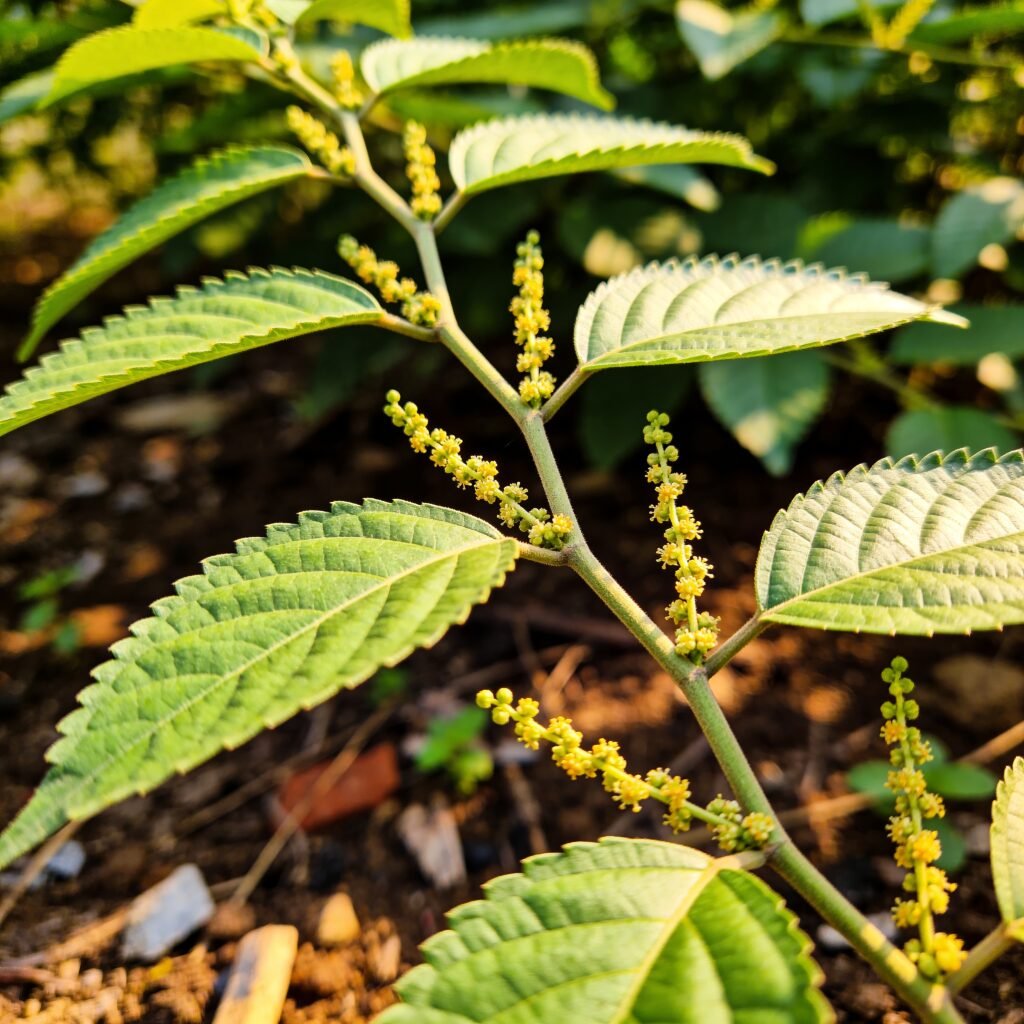
Gymnema Sylvestre
- The evidence: A 14-day clinical trial published in Nutrients (2022) found that gymnema-containing supplements significantly reduced chocolate consumption by decreasing desire and perceived pleasantness of sweet foods. A comparative study showed gymnema decreased body fat percentage, fasting glucose, and glycosylated hemoglobin.
- How it works: Gymnemic acids bind to sweet taste receptors on the tongue, temporarily blocking your ability to taste sweetness. This reduces the pleasantness and intake of sugary foods.
- Limitations: Human weight loss data is limited. Sample sizes in existing studies are small (27-44 participants). The craving-reduction mechanism is well-established, but long-term weight outcomes need more research.
The Comparison Table
Here’s how the most popular weight loss teas stack up side by side.
| Brand | Key Ingredients | Contains Laxative? | Transparent Dosing? | Price/Serving | Amazon Rating | Our Take |
|---|---|---|---|---|---|---|
| Flat Tummy Co | Green tea, dandelion, fennel (AM); Senna, peppermint (PM) | Yes — Senna in Cleanse tea | No — proprietary blends | ~$0.77 | ~3.5 stars | Daytime tea is fine. The Cleanse is a laxative. Skip the PM tea. |
| Teami Skinny | Oolong, yerba mate, lime leaf, lotus leaf, ginger | No (but parent company fined $15.2M by FTC) | Partial — highlights 3 ingredients | ~$0.53 | ~4.0 stars | Decent ingredients. Company history is a red flag. |
| SkinnyFit Detox | Sencha, oolong, yerba mate, matcha, goji berry, guarana | Claims laxative-free | No — no individual quantities | ~$3.39 | ~3.5 stars | Massively overpriced for an undisclosed blend. |
| Fit Tea | Green tea, oolong, garcinia cambogia, matcha, rooibos | No senna listed | No — no individual quantities | ~$1.25 | ~3.8 stars | No laxative, but no dose transparency either. |
| Bootea Teatox | Green tea, yerba mate, ginger (AM); Senna, fenugreek (PM) | Yes — Senna in Bedtime Cleanse | No | ~$1.25/day | ~3.5 stars | Same daytime/nighttime laxative pattern. Avoid the PM blend. |
| Lulutox | Senna, dandelion, ginger, peppermint, lemongrass, licorice | Yes — confirmed by independent reviewers | No — conflicting ingredient info | ~$0.89 | ~3.2 stars | Rebranded bulk tea at heavy markup. Multiple “scam” reviews. |
| Yogi DeTox | Sarsaparilla, cinnamon, ginger, licorice, burdock, dandelion | No | Yes — organic ingredients listed | ~$0.35 | ~4.5 stars | No laxative, transparent, affordable. Minimal weight loss evidence though. |
| All Day Slimming Tea | Green tea, oolong, ginseng (AM); Senna, fennel, dandelion (PM) | Yes — Senna in evening blend | No — no specific amounts | ~$2.30/day | ~3.0 stars | Expensive for a daytime blend plus a nighttime laxative. |
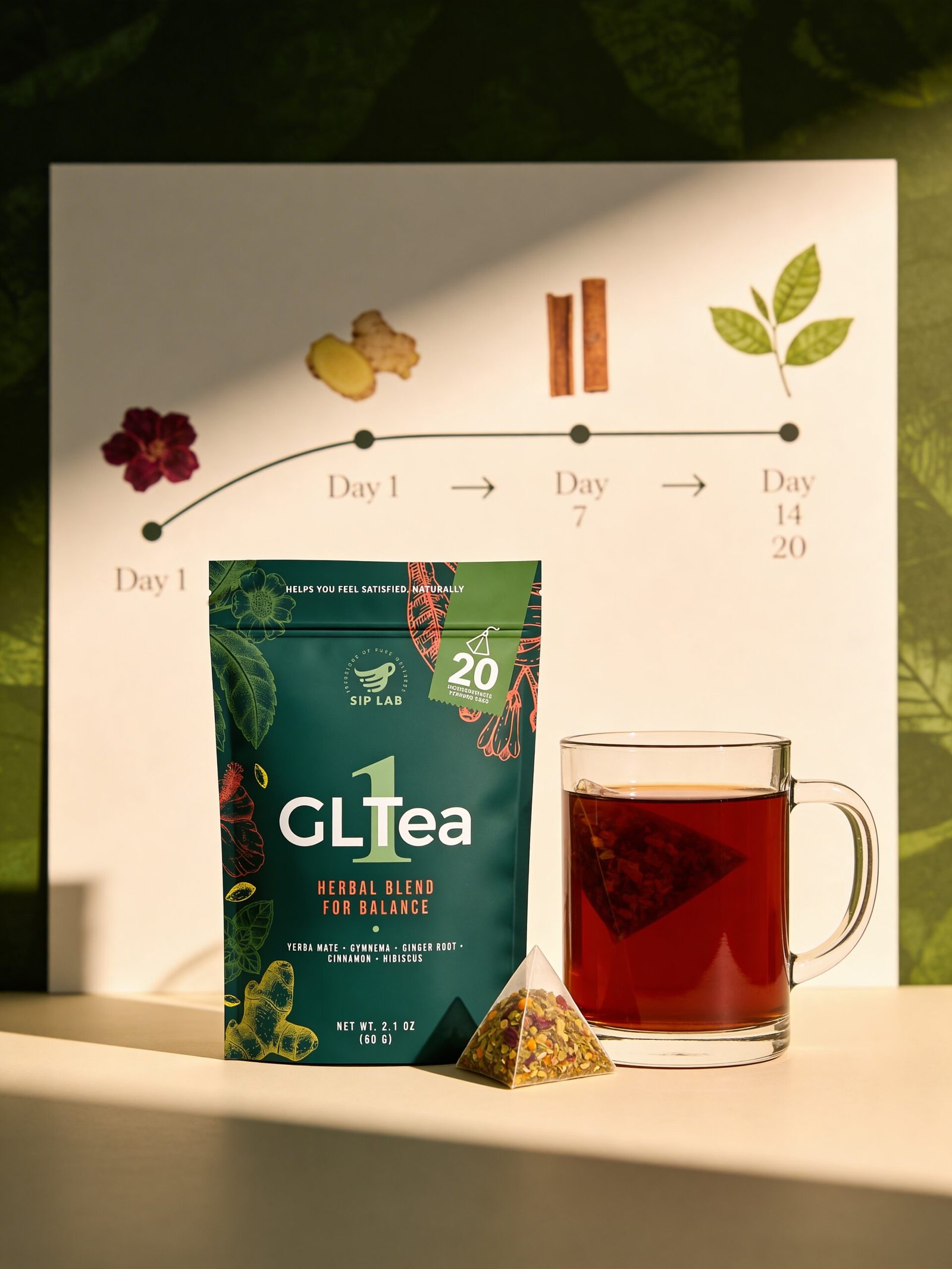
| GLTea-1 | Yerba mate, gymnema, ginger root, cinnamon, hibiscus | No | Yes — named ingredients | ~$1.25 | ~4.5 stars | Functional blend with researched ingredients. No laxatives, no proprietary blends. |
| 3 Ballerina Tea | Senna, Chinese mallow | Yes | N/A — it’s a laxative | ~$0.28 | ~3.5 stars | A cheap laxative. Not a weight loss product. |
The GLP-1 Functional Tea Category
A new category is emerging in the weight loss beverage space: teas and drinks positioning around natural GLP-1 support. The global market for GLP-1-friendly hydration drinks is projected to reach $3.48 billion by 2033, growing at a 12.8% CAGR from 2025 (NutraIngredients, 2026).
GLP-1 (glucagon-like peptide-1) is the hormone targeted by medications like Ozempic and Wegovy. Some tea compounds — particularly yerba mate — have shown the ability to modestly support GLP-1 production in animal models. This is a fundamentally different mechanism than the prescription drugs, which mimic GLP-1 directly and at far higher potency.
Products in this category include herbal blends combining yerba mate with berberine and other functional ingredients, GLP-1 support drink mix powders, and formulations designed for people already on GLP-1 medications who want to manage hydration and nutrient intake.
The honest framing: no tea or drink replicates what a GLP-1 medication does. But for people looking for a daily functional beverage with ingredients that have independent research behind them — and no laxatives — this category offers more transparency than the detox tea aisle. GLTea-1 is one option in this space, built around yerba mate and gymnema with named ingredients and no proprietary blends.
What to Look For: A Buying Guide
Before you buy any weight loss tea, run through this checklist:
- No senna or cascara sagrada — If the label lists either of these, you’re buying a laxative. FDA banned cascara sagrada from OTC laxatives in 2002. Senna is approved only for short-term constipation relief.
- No proprietary blends — You should be able to see how much of each ingredient is in the product. If the label says “Proprietary Blend” followed by a total weight, the company is hiding individual doses.
- Named ingredients with specific doses — Look for milligram amounts per ingredient that match or approach research-backed doses (e.g., 100+ mg EGCG for green tea, not just “green tea extract”).
- Cited research or named mechanisms — Brands that reference specific studies or explain how their ingredients work are more likely to have done their homework.
- Realistic claims — Any tea promising rapid, dramatic weight loss is lying. Research-backed ingredients show modest effects over weeks to months: 1-2 kg, improved lipid profiles, reduced cravings. That’s the real range.
- Third-party testing — Independent testing for purity, heavy metals, and accurate labeling is a strong trust signal.
- Transparent labeling — If you can’t find a full ingredient list with amounts on the product page or packaging, move on.
Evidence Snapshot
Key studies cited in this article:
- Green tea catechins and body weight — Hursel et al. (2009), International Journal of Obesity. Meta-analysis finding ~1.31 kg weight reduction (PMID: 19597519).
- Green tea extract and body composition — Systematic review and dose-response meta-analysis (2023), British Journal of Nutrition.
- Yerba mate and body fat mass — Kim et al. (2015), BMC Complementary Medicine and Therapies. RCT showing significant fat mass reduction over 12 weeks (PMID: 26408319).
- Yerba mate systematic review — Frontiers in Endocrinology (2025). Found evidence “limited and contradictory.”
- Oolong tea in obese subjects — Chinese Journal of Integrative Medicine (2009). 70% of subjects lost >1 kg in 6 weeks (PMID: 19271168).
- Pu-erh tea placebo-controlled trial — Phytotherapy Research (2016). Reduced body weight, waist circumference, and triglycerides.
- Berberine and body weight — Meta-analysis of RCTs (2020). Mean weight reduction of 2.07 kg (PMID: 32690176).
- Gymnema and sugar cravings — Nutrients (2022). 14-day trial showing reduced sweet food consumption (PMC: 9788288).
- FTC vs. Teami LLC — $15.2 million judgment for deceptive weight loss claims (FTC, March 2020).
- Senna and liver failure — Vanderperren et al. (2005). Case report of acute hepatic failure from chronic senna tea consumption (PMID: 15956233).
Frequently Asked Questions
Do weight loss teas actually work?
It depends entirely on what’s in them. Teas containing senna or other laxatives produce temporary water and stool weight loss — not fat loss. Teas containing research-backed compounds like EGCG, oolong, pu-erh, or berberine have shown modest fat reduction in clinical trials. The key word is modest: expect 1-2 kg over 12 or more weeks, not dramatic overnight results.
Are detox teas safe?
Teas without senna or stimulant laxatives are generally safe for healthy adults. Senna-containing teas should not be used daily for more than one week, per medical guidelines. Long-term senna use has been linked to laxative dependency, electrolyte imbalances, and in rare cases liver damage. The FDA has also found some imported “slimming teas” contaminated with undeclared prescription drugs like sibutramine and fluoxetine.
What is the difference between a detox tea and a laxative?
In many cases, nothing. At least 11 popular “detox” and “weight loss” tea brands contain senna leaf, which is a stimulant laxative. The only detox your body needs is performed by your liver and kidneys. As medical experts have stated: “There’s no way really to detoxify an organ. The liver does a very good job of it on its own.”
How much green tea do you need for weight loss?
Clinical studies used 100-460 mg of EGCG daily plus 80-300 mg of caffeine for at least 12 weeks. A standard cup of brewed green tea contains roughly 50-100 mg of EGCG. Matcha provides a higher concentration — about 70-150 mg per 2g serving — because you consume the entire leaf. The European Food Safety Authority recommends staying below 800 mg EGCG daily to avoid liver stress.
Can tea replace GLP-1 medications like Ozempic?
No. GLP-1 medications work by directly mimicking the GLP-1 hormone at pharmacological doses, producing significant appetite suppression and weight loss. Some tea ingredients like yerba mate have shown modest GLP-1 support in animal models, but this is a fundamentally different mechanism with much less potency. Tea may complement a healthy routine, but it does not replicate prescription drug effects.
Why are some weight loss teas so expensive?
The business model for many Instagram-marketed weight loss teas is straightforward: source bulk herbal blends (often available on wholesale platforms for under $1 per unit), package them in attractive branding, pay influencers for promotion, and sell at a 10-50x markup. SkinnyFit charges $3.39 per serving for an undisclosed blend. Budget senna teas sell the same active laxative mechanism for $0.11-0.28 per serving. Price is not an indicator of quality or efficacy in this category.
Bottom Line
Most weight loss teas are laxatives in attractive packaging. They produce temporary water weight loss, not fat loss, and carry real risks with long-term use. The few teas with genuine research — green tea EGCG, oolong, pu-erh, yerba mate, berberine — show modest, not miraculous, results over weeks to months.
Before buying any weight loss tea: check for senna on the label, reject proprietary blends, verify that ingredient doses match clinical research, and ignore any product promising rapid results. Transparency is the minimum standard. If a brand won’t tell you what’s in the cup and how much, it doesn’t deserve your money.
This article is for informational purposes only and does not constitute medical advice. These statements have not been evaluated by the Food and Drug Administration. This product is not intended to diagnose, treat, cure, or prevent any disease. Consult your healthcare provider before starting any new supplement or making changes to your diet.