If you’ve been searching for a natural way to manage hunger between meals, you’re not alone. Millions of people are turning to tea as a gentler alternative to appetite suppressants and weight loss pills—and for good reason.
But here’s the problem: Most “weight loss teas” on the market are either laxative-based detox scams or overpriced celebrity endorsements with zero science behind them.
This comprehensive guide cuts through the noise. We reviewed the clinical research on 12 different teas and identified the ones that actually support appetite control through legitimate biological mechanisms—not just water weight tricks.
Whether you’re trying to manage cravings between meals, support a weight management plan, or simply feel more satisfied with smaller portions, this evidence-based ranking will help you choose the right tea for your goals.

What Makes a Tea Effective for Appetite Control?
Before we dive into specific teas, it’s important to understand how tea can influence hunger and satiety. Not all teas work the same way—and understanding the mechanisms helps you choose the right one for your specific needs.
The 4 Mechanisms of Appetite Control
The most effective appetite control teas work through one or more of these science-backed pathways:
1. Satiety Hormone Modulation
Some botanical compounds influence hormones like GLP-1 (glucagon-like peptide-1), which signals fullness to your brain, and ghrelin, the hunger hormone. Teas that upregulate GLP-1 or suppress ghrelin create genuine physiological satiety—not just distraction.
2. Blood Sugar Stabilization
Teas that help maintain steady blood glucose levels prevent the dramatic crashes that trigger urgent hunger and cravings. This is particularly important for people with insulin resistance or reactive hypoglycemia.
3. Thermogenesis & Energy Expenditure
Certain compounds—particularly catechins and caffeine—increase metabolic rate and fat oxidation. When your body is efficiently burning stored energy, hunger signals naturally decrease.
4. Sugar Craving Reduction
Some herbs literally block sweet taste receptors or reduce the neurological reward response to sugar. This breaks the psychological addiction cycle that drives overeating.

The 5 Best Teas for Appetite Control (Ranked by Science)
After reviewing dozens of clinical studies, these five teas stand out for their appetite-controlling effects:
1. Yerba Mate Tea ⭐ Best Overall for Appetite Control

Why it works:
Yerba mate contains a unique combination of caffeine, theobromine (from the chocolate plant family), and saponins that work synergistically to:
- Increase satiety hormones (GLP-1) – Tells your brain you’re full
- Delay gastric emptying – Food stays in your stomach longer, creating physical fullness
- Boost thermogenesis – Burns more calories at rest without jitters
- Improve insulin sensitivity – Prevents blood sugar crashes that trigger hunger
The research:
A landmark 2015 study published in Nutrients found that yerba mate supplementation significantly reduced appetite and increased fat oxidation in overweight adults. Participants reported feeling fuller for longer periods and naturally consumed fewer calories without conscious restriction.
Another study in the Journal of Human Nutrition and Dietetics demonstrated that yerba mate slowed gastric emptying by 20-30 minutes compared to placebo—a meaningful difference for appetite control.
Best for: People who want sustained energy AND appetite control throughout the day. Particularly effective for those who experience mid-afternoon energy crashes and subsequent cravings.
How to use: Brew 1-2 cups daily, ideally 30-60 minutes before your largest meals. The caffeine content (about 85mg per cup) provides alertness without the jitters of coffee.
2. Gymnema Sylvestre Tea ⭐ Best for Sugar Cravings

Why it works:
Gymnema Sylvestre, known as “Gurmar” (literally “sugar destroyer”) in Hindi, contains gymnemic acids that structurally mimic glucose molecules. These compounds temporarily bind to sweet taste receptors on your tongue, making sugar taste less appealing—sometimes even bland or metallic.
But the effects go deeper than taste. Gymnema also:
- Reduces sugar absorption in the intestines (by up to 50% in some studies)
- Improves insulin function and glucose metabolism
- Reduces the dopamine reward response to sugar in the brain
The research:
A double-blind study in Physiology & Behavior (2013) demonstrated that Gymnema extract significantly reduced sweet food cravings and overall caloric intake in participants over 8 weeks. The effect was sustained even after the supplement was discontinued, suggesting it may help “retrain” taste preferences.
Best for: People who struggle specifically with sweet cravings—desserts, candy, sodas. If sugar is your primary appetite control challenge, Gymnema is your answer.
How to use: Drink 30-60 minutes before meals or whenever sugar cravings hit. The taste-blocking effect lasts 1-2 hours, making sugary foods genuinely unappealing during that window.
3. Green Tea (High EGCG) ⭐ Best for Metabolism Support

Why it works:
Green tea’s superpower is EGCG (epigallocatechin gallate)—a catechin that increases fat oxidation and energy expenditure. When your body is efficiently burning stored fat for energy, hunger signals naturally diminish.
Green tea also:
- Inhibits COMT (catechol-O-methyltransferase), extending the activity of norepinephrine—a hormone that promotes fat breakdown
- Improves insulin sensitivity and glucose tolerance
- Contains L-theanine, which promotes calm focus and may reduce stress-eating
The research:
A meta-analysis of 15 studies in the American Journal of Clinical Nutrition found that green tea catechins, especially when combined with caffeine, significantly increased energy expenditure and fat oxidation. The effect was most pronounced in individuals consuming 400-500mg EGCG daily (roughly 4-5 cups of quality green tea).
Best for: People who want to support their metabolism while managing appetite. Particularly effective when combined with exercise and a balanced diet.
How to use: Brew at 160-180°F (not boiling) for 2-3 minutes to maximize EGCG extraction without bitterness. Drink 2-4 cups spread throughout the day.
4. Oolong Tea ⭐ Best for Fat Oxidation

Why it works:
Oolong tea sits between green and black tea in oxidation level (20-70%), giving it a unique polyphenol profile that combines the best of both worlds. Research shows oolong may be particularly effective at enhancing fat metabolism and reducing visceral fat (the dangerous fat around organs).
The research:
A study in the Chinese Journal of Integrative Medicine found that regular oolong tea consumption increased fat oxidation by 12% and energy expenditure by 2.9% compared to water. Participants also reported reduced hunger perception during the study period.
Another trial showed that oolong tea drinkers lost an average of 6 pounds more than control groups over 6 weeks—primarily from reduced appetite and increased fat burning.
Best for: People who find green tea too grassy or black tea too strong. Oolong offers a smooth, slightly sweet flavor profile with potent metabolic effects.
How to use: Steep 1 tablespoon of oolong leaves in 8oz water at 185-205°F for 3-5 minutes. Can be re-steeped 2-3 times for multiple cups.
5. Ginger Root Tea ⭐ Best for Digestive Comfort

Why it works:
Ginger is a potent thermogenic compound that increases body temperature and metabolic rate. It also improves digestive efficiency and has been shown to reduce hunger perception in clinical trials.
Ginger’s active compounds (gingerols and shogaols):
- Increase thermogenesis and fat oxidation
- Improve gastric motility (food moves through digestive system efficiently)
- Reduce nausea and digestive discomfort that can trigger emotional eating
- Support healthy blood sugar levels
The research:
A study in Metabolism: Clinical and Experimental found that consuming ginger significantly reduced feelings of hunger and increased thermogenesis for several hours after ingestion. Participants reported feeling more satisfied with smaller portions.
Best for: People whose appetite issues are connected to digestive discomfort or nausea. Also excellent for those who experience hunger from boredom rather than true physiological need (ginger provides sensory satisfaction).
How to use: Simmer 1-2 inches of fresh ginger root (sliced) in 2 cups water for 10 minutes. Strain and drink 30 minutes before meals.
Honorable Mentions: 7 More Teas That Support Appetite Control
These teas didn’t make the top 5, but they still offer legitimate appetite-controlling benefits:
- Black Tea – Contains theaflavins that support metabolism and insulin sensitivity
- Peppermint Tea – Aromatic compounds may reduce appetite through sensory satisfaction
- Hibiscus Tea – Rich in anthocyanins that improve glucose metabolism
- White Tea – High in catechins like green tea but with milder flavor
- Rooibos Tea – Caffeine-free option that supports blood sugar balance
- Dandelion Root Tea – Bitter compounds stimulate digestive enzymes and may reduce cravings
- Cinnamon Tea – Supports insulin sensitivity and reduces blood sugar spikes
Teas to AVOID for Appetite Control

❌ Senna-Based “Detox” Teas
Why to avoid: Senna is a stimulant laxative, NOT an appetite suppressant. These teas cause rapid water weight loss (which returns immediately when you rehydrate) and can lead to:
- Electrolyte imbalances
- Dependency (your colon stops functioning normally)
- Digestive damage with long-term use
- No actual fat loss
Red flag brands: Any tea marketed as “flat tummy tea,” “skinny tea,” or “detox tea” that lists senna, cascara sagrada, or other laxatives in ingredients.
❌ Proprietary Blend “Weight Loss” Teas
Why to avoid: If a company won’t tell you what’s in their tea or how much of each ingredient, it’s a red flag. Proprietary blends often hide:
- Underdosed effective ingredients
- Fillers and cheap herbs
- Potentially harmful stimulants
Rule of thumb: If you can’t find the ingredient list with dosages, don’t buy it.
❌ Caffeine-Bomb “Fat Burner” Teas
Why to avoid: Some teas load up on caffeine (200-400mg per serving) to create the illusion of “energy” and “fat burning.” While caffeine does have modest metabolic effects, excessive amounts cause:
- Jitters, anxiety, and sleep disruption
- Tolerance (effects diminish quickly)
- Appetite increase when the stimulant wears off
Better approach: Stick to teas with 50-100mg caffeine per serving combined with synergistic compounds (like Yerba Mate or green tea).
The Best Appetite Control Tea: Our Pick for 2026
After reviewing all the research, we believe a blend that combines Yerba Mate + Gymnema Sylvestre is the most effective approach for comprehensive appetite control.
Why? Because you get:
- Yerba Mate for GLP-1 stimulation, energy, and thermogenesis
- Gymnema for sugar craving control and glucose management
- Synergistic effects that address multiple appetite pathways simultaneously
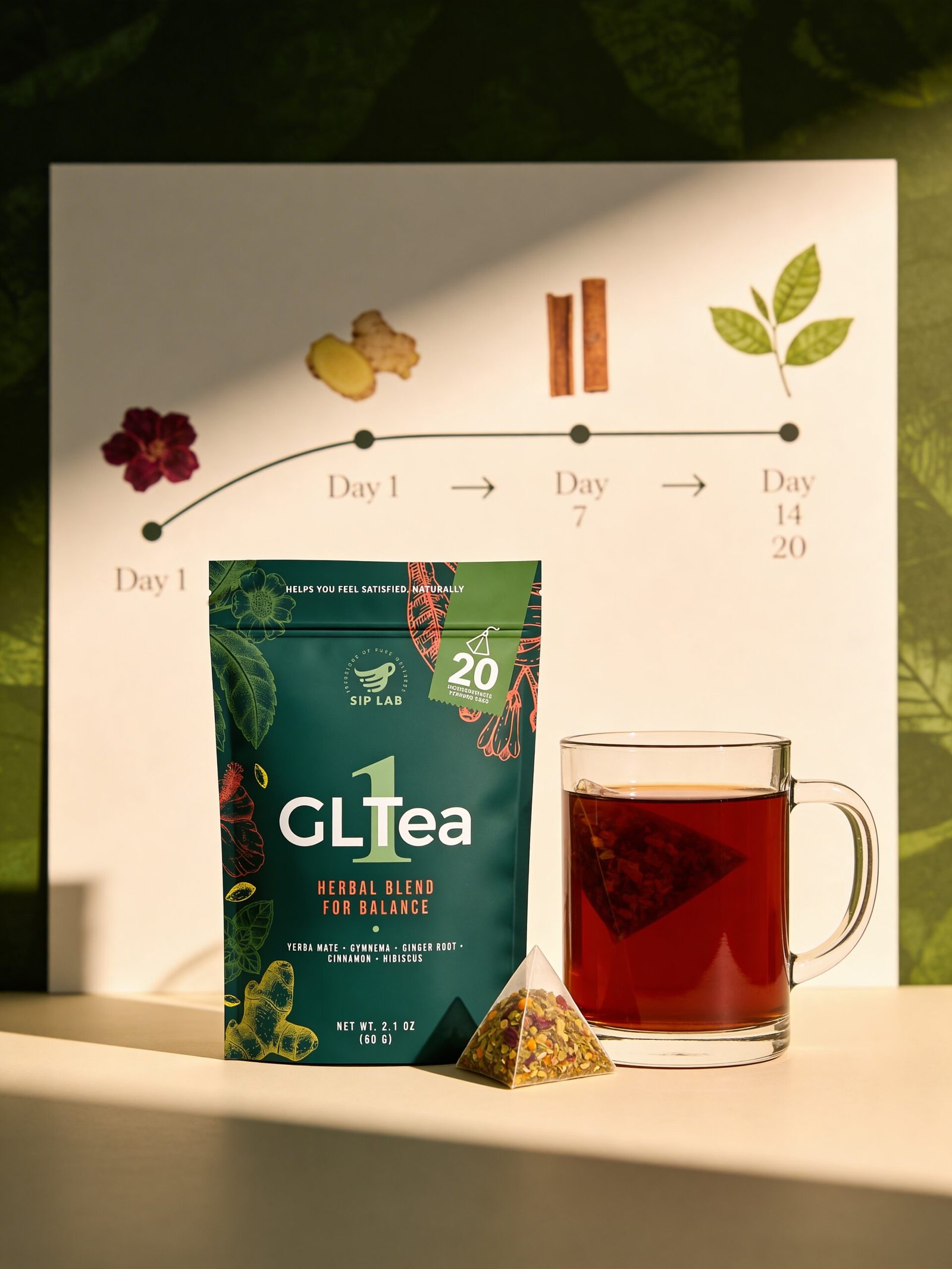
GLTea-1 was formulated specifically with this research in mind: Yerba Mate + Gymnema as the foundation, plus 6 supporting botanicals (ginger, cinnamon, green tea, and more) for a comprehensive satiety-focused formula.
It’s not a laxative. It’s not a stimulant bomb. It’s a strategic combination of research-backed ingredients designed to work with your body’s natural hunger regulation.
How to Use Tea for Maximum Appetite Control

Timing is everything:
- 30-60 minutes before meals – Allows compounds to reach bloodstream and begin affecting hunger hormones before you eat
- Between meals when cravings hit – Hot tea provides oral satisfaction and buys time for the craving to pass
- Morning (for caffeinated teas) – Sets metabolism tone for the day; avoid after 2pm to protect sleep
Dosage guidelines:
- Start with 1 cup daily and assess tolerance
- Increase to 2-3 cups spread throughout the day for maximum effect
- Brew strength matters—follow package instructions for optimal compound extraction
Combine with lifestyle strategies:
- Pair tea with protein-rich meals (protein is the most satiating macronutrient)
- Stay hydrated (thirst often mimics hunger)
- Get adequate sleep (poor sleep suppresses satiety hormones)
- Manage stress (cortisol drives appetite and cravings)
FAQ: Appetite Control Tea
Does tea actually reduce appetite, or is it placebo?
Clinical studies demonstrate that certain teas—particularly Yerba Mate, Gymnema, and green tea—have measurable, statistically significant effects on hunger hormones, metabolism, and subjective appetite ratings compared to placebo. It’s not just placebo, but effects are modest (not miracle).
How long does it take for appetite control tea to work?
You’ll notice immediate effects within 30-60 minutes (satiety from hot liquid, taste blocking from Gymnema). However, metabolic adaptations build over 2-4 weeks of consistent use. Give it at least a month before judging effectiveness.
Can I drink appetite control tea while fasting?
Yes! Zero-calorie herbal teas and true teas (no milk/sugar added) won’t break a fast. In fact, they may help extend fasting windows comfortably by reducing hunger.
How much tea should I drink per day for appetite control?
2-3 cups spread throughout the day is ideal for most people. More isn’t necessarily better—you’re looking for sustained effects, not megadosing.
Will appetite control tea help me lose weight?
Tea alone won’t cause significant weight loss. However, when combined with a calorie deficit and healthy lifestyle, appetite-controlling teas can make the process more comfortable by reducing hunger and cravings. Think of it as a support tool, not a magic bullet.
Are there any side effects?
Generally no for most people when used as directed. Caffeinated teas may cause jitters or sleep issues if consumed late in the day. Start with lower doses to assess individual tolerance.
The Bottom Line
Not all teas are created equal when it comes to appetite control. The most effective options—Yerba Mate, Gymnema Sylvestre, green tea, oolong, and ginger—work through legitimate biological mechanisms backed by clinical research.
Avoid laxative-based detox teas and overpriced celebrity endorsements. Instead, focus on evidence-based botanicals that support your body’s natural hunger regulation.
For a comprehensive, all-in-one solution, try GLTea-1—formulated specifically to combine the most powerful appetite-controlling botanicals in one convenient tea.
Related Reading
Continue your appetite control journey:
- 📖 Natural Alternatives to Ozempic – Explore how botanicals like Yerba Mate support GLP-1 pathways for natural appetite regulation
- 📖 How to Stop Sugar Cravings Naturally – 7 evidence-based strategies including Gymnema (the “sugar destroyer”)
- 🍵 Try GLTea-1 – Experience the power of Yerba Mate + Gymnema + 6 supporting botanicals in one research-backed formula
🍵 Ready for Science-Backed Appetite Control?
GLTea-1 combines the 5 most effective appetite-controlling botanicals from this guide—plus 3 more supporting ingredients—for comprehensive hunger management.