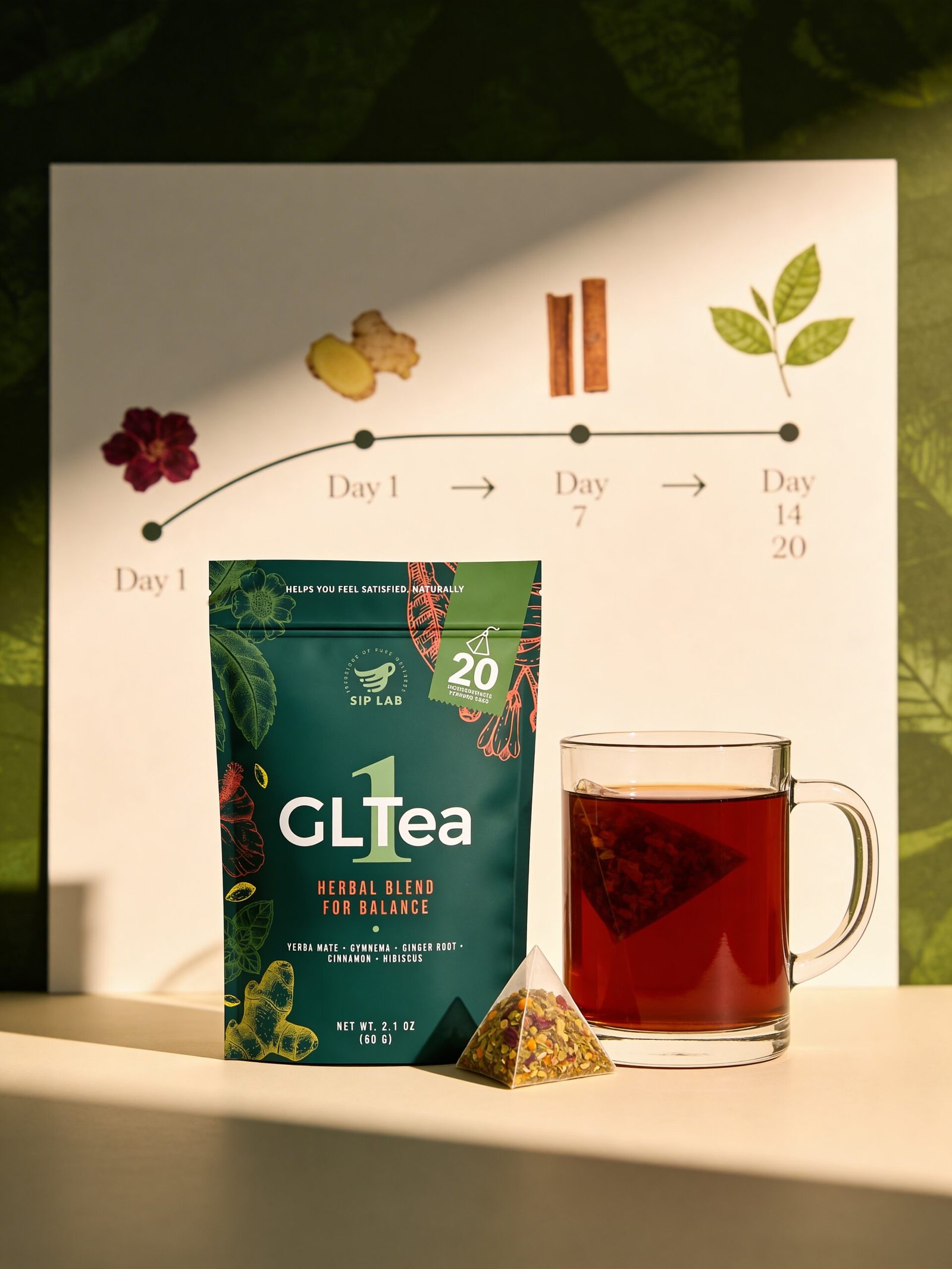
It’s 3pm. You’re at your desk. And suddenly all you can think about is something sweet.
The cookie jar. The candy machine. That leftover birthday cake in the break room. The craving is so intense it’s almost physical.
Sound familiar? Sugar cravings are one of the most common—and most frustrating—obstacles to healthy eating. And willpower alone rarely wins the battle for long.
But here’s the good news: You don’t have to fight cravings with discipline. You can change the biology that creates them.
This guide explores 7 evidence-based strategies to stop sugar cravings naturally—not through restriction and guilt, but by addressing the root causes that drive them in the first place.

Why Do Sugar Cravings Happen? (It’s Not About Willpower)
Sugar cravings aren’t a character flaw. They’re driven by four main biological and psychological factors:
1. Blood Sugar Crashes (The Glucose Rollercoaster)
When blood glucose drops rapidly—usually 2-3 hours after eating high-carb, low-fiber foods—your brain signals urgent need for quick energy. And the fastest source? Sugar.
This creates a vicious cycle: Eat sugar → Blood glucose spikes → Insulin surges → Blood glucose crashes → Desperate craving for more sugar → Repeat.
2. Dopamine Reward Pathways (Neurological Addiction)
Sugar triggers dopamine release in the brain’s reward center—the same system activated by drugs like cocaine. With repeated exposure, your brain downregulates dopamine receptors, requiring more and more sugar to get the same pleasure response.
This is literal addiction, not metaphorical. Brain scans show similar patterns in sugar addicts and drug addicts.
3. Nutrient Deficiencies (Your Body Asking for What It Needs)
Sometimes cravings are your body’s confused way of asking for nutrients:
- Magnesium deficiency often manifests as chocolate cravings
- Chromium deficiency impairs insulin function, triggering sugar cravings
- B-vitamin deficiency reduces your ability to metabolize carbs efficiently
An estimated 50% of Americans are deficient in magnesium, which may explain why chocolate is the #1 craved food.
4. Habit and Conditioning (Pavlovian Response)
If you always have dessert after dinner, always grab candy at the movies, or always eat ice cream when stressed, your brain has created a conditioned response. The context (dinner ending, movie theater, stress) automatically triggers the craving.
This is learned behavior, which means it can be unlearned—but it takes conscious effort and time.

7 Evidence-Based Ways to Stop Sugar Cravings Naturally
1. Eat Protein at Every Meal (The Satiety Foundation)
Why it works:
Protein is the most satiating macronutrient and stabilizes blood sugar longer than carbohydrates or fats. High-protein meals also increase levels of satiety hormones (GLP-1, PYY) and reduce ghrelin (the hunger hormone).
The research:
A groundbreaking study in Obesity (2011) found that increasing protein to 25% of calories reduced food cravings by 60% and late-night snacking by 50%. Participants naturally consumed fewer calories without conscious restriction—they simply felt less hungry.
How to implement:
- Breakfast: 25-30g protein (3-4 eggs, Greek yogurt, protein smoothie)
- Lunch: 30-40g protein (palm-sized portion of chicken, fish, tofu)
- Dinner: 30-40g protein (same as lunch)
- Snacks (if needed): 15-20g protein (hard-boiled eggs, jerky, nuts)
When your meals are protein-rich, sugar cravings between meals naturally diminish because your blood sugar stays stable.
2. Drink Gymnema Sylvestre Tea – The “Sugar Destroyer”

Why it works:
Gymnema Sylvestre contains gymnemic acids that structurally mimic glucose molecules and temporarily bind to sweet taste receptors on your tongue. When you drink Gymnema tea and then eat something sweet, it tastes significantly less appealing—sometimes even bland or metallic.
But the effects go deeper:
- Reduces sugar absorption in intestines (up to 50% in studies)
- Improves insulin sensitivity and glucose metabolism
- Reduces the dopamine reward response to sugar in the brain
The research:
A 2010 study in Physiology & Behavior showed that Gymnema extract significantly reduced sweet food cravings and overall sugar intake over 8 weeks. The effect persisted even after the supplement was stopped, suggesting it may help “reset” taste preferences.
How to implement:
- Brew Gymnema tea 30-60 minutes before meals
- Drink immediately when sugar cravings hit (within minutes, sugar will taste less appealing)
- Use consistently for 4-8 weeks to see taste preference changes
GLTea-1 includes Gymnema as a primary ingredient, combined with other craving-reducing botanicals for comprehensive support.
3. Balance Your Blood Sugar – Prevent the Crash Before It Happens
Why it works:
When your blood sugar is stable throughout the day, you eliminate the crashes that trigger desperate cravings. This requires strategic food combinations and timing.
How to implement:
- Pair carbs with protein or fat – Never eat carbs alone. Examples:
- Apple + almond butter (not just apple)
- Toast + eggs (not just toast)
- Rice + chicken (not just rice)
- Choose low-glycemic carbs – Sweet potatoes over white potatoes, steel-cut oats over instant, brown rice over white
- Add fiber to every meal – Slows digestion and prevents glucose spikes. Target 10g+ fiber per meal.
- Avoid sugary drinks – Liquid sugar spikes blood glucose faster than any food. Even fruit juice.
- Eat at regular intervals – Going too long between meals causes blood sugar to drop, triggering cravings. Aim for eating every 3-4 hours.
The difference this makes: When you eat a balanced meal (protein + fat + fiber + complex carbs), your blood sugar rises gradually and stays stable for 3-4 hours. When you eat sugar or refined carbs alone, you get a sharp spike followed by a crash within 1-2 hours.
4. Get Enough Magnesium (Especially If You Crave Chocolate)

Why it works:
Magnesium is involved in over 300 enzymatic reactions in the body, including insulin function and glucose metabolism. Deficiency impairs your body’s ability to regulate blood sugar, triggering cravings. Magnesium also regulates neurotransmitters involved in mood and stress—both of which drive emotional eating.
The research:
Studies estimate that 50-70% of Americans don’t meet the RDA for magnesium. Supplementation has been shown to reduce sugar cravings, improve insulin sensitivity, and stabilize mood.
How to implement:
- Food sources: Dark leafy greens, pumpkin seeds, almonds, dark chocolate (85%+), avocado, black beans
- Supplementation: 300-400mg daily (magnesium glycinate is best absorbed and least likely to cause digestive issues)
- Timing: Take before bed—magnesium also supports sleep quality
Bonus: If you’re a chocolate craver, try eating 2 squares of 85% dark chocolate daily. It provides magnesium, satisfies the chocolate urge, and has minimal sugar (unlike milk chocolate).
5. Manage Stress (Cortisol is the Hidden Craving Driver)
Why it works:
Stress triggers cortisol release, which increases blood sugar and promotes insulin resistance. This creates the perfect storm for sugar cravings. Cortisol also reduces activity in the prefrontal cortex (decision-making center) and increases activity in the amygdala (emotional center)—making you more likely to reach for comfort foods impulsively.
The research:
A study in Psychoneuroendocrinology found that chronic stress significantly increased cravings for high-sugar, high-fat foods. Participants with higher cortisol levels consumed 40% more sweet snacks than those with normal cortisol.
How to implement:
- Daily stress management: 10 minutes of meditation, deep breathing, or yoga
- Exercise: 30 minutes daily (even walking reduces cortisol)
- Sleep: 7-9 hours nightly (sleep deprivation raises cortisol)
- Social connection: Spending time with loved ones lowers cortisol
- Therapy: If stress is chronic, professional help makes a huge difference
Key insight: If your cravings spike when you’re stressed, the problem isn’t lack of willpower—it’s physiology. Address the stress, and cravings naturally decrease.
Looking for a functional tea with these ingredients?
GLTea-1 combines yerba mate, gymnema, ginger, cinnamon, and hibiscus in a single daily cup. Learn more or shop on Amazon.
6. Use Strategic Substitution (Gradual Taste Retraining)
Why it works:
Going cold turkey on sugar rarely works long-term. Your taste buds and brain need time to adapt. Strategic substitution gradually reduces your sugar tolerance while still providing satisfaction.
The 3-week taste reset:
Week 1: Replace refined sugar with natural sweetness
- Candy → Medjool dates (naturally sweet, contain fiber)
- Soda → Sparkling water with fresh fruit slices
- Ice cream → Frozen banana “nice cream” blended with nut butter
Week 2: Reduce sweetness gradually
- Sweetened yogurt → Plain Greek yogurt + 1/2 serving fresh berries
- Flavored coffee drinks → Black coffee with dash of cinnamon
- Sweet breakfast cereal → Steel-cut oats with 1 tsp honey
Week 3: Appreciate natural flavors
- Focus on foods with natural umami and satisfying flavors (avocado, nuts, cheese)
- Use spices for flavor complexity (cinnamon, vanilla, cardamom)
- Notice how your taste buds become more sensitive—apples taste sweeter, berries more intense
What happens: Most people report that after 3 weeks of strategic substitution, foods that used to taste “just right” now taste cloyingly sweet. Your palate has reset.
7. Identify Your Personal Craving Pattern (Know Your Triggers)
Why it works:
Most sugar cravings aren’t random. They follow patterns based on time of day, emotional state, context, and hormones. When you identify YOUR specific pattern, you can intervene proactively rather than reactively.
How to implement:
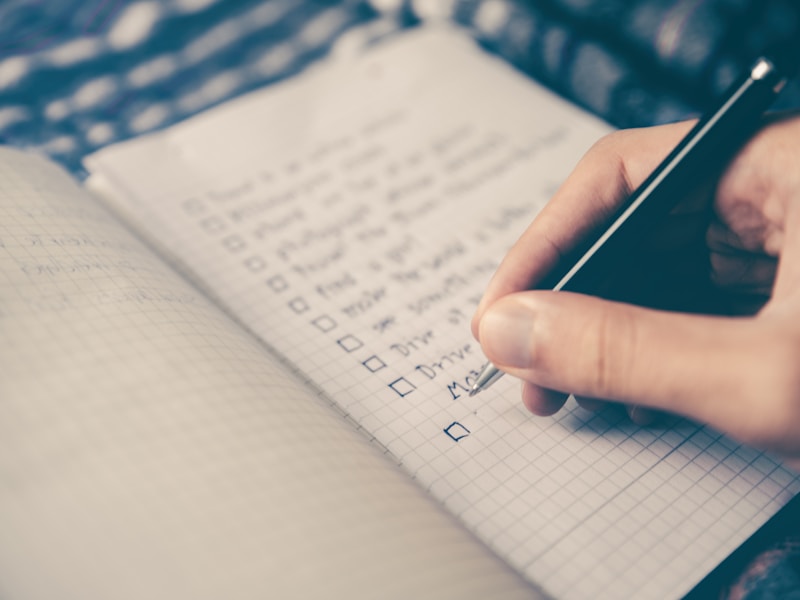
Step 1: Track for one week
Every time you experience a craving, note:
- Time of day
- What you were doing
- How you were feeling (stressed? bored? tired?)
- What you wanted specifically
Step 2: Identify patterns
After a week, look for trends:
- Time-based: Always at 3pm? 8pm after dinner?
- Emotion-based: Always when stressed? Bored? Sad?
- Context-based: Always at the movies? After arguments? During meetings?
- Hormonal: (For women) Stronger before menstruation?
Step 3: Create targeted interventions
Once you know your pattern, you can intervene early:
- Example 1: “I always crave sugar at 3pm” → Schedule a high-protein snack at 2:30pm before the craving hits
- Example 2: “I crave sweets when stressed” → Keep Gymnema tea at your desk; drink when stress builds
- Example 3: “I always want dessert after dinner” → Serve herbal tea or brush your teeth immediately after eating (signals “meal is over”)
The insight: You’re not fighting random cravings. You’re addressing predictable patterns.
The Role of Satiety-Focused Tea in Craving Control
While tea alone won’t eliminate sugar cravings, research-backed botanical blends can provide powerful support—especially when combined with the strategies above.
Key botanicals for craving control:
- Gymnema Sylvestre – Blocks sweet taste receptors and reduces sugar absorption
- Yerba Mate – Stabilizes energy and blood sugar throughout the day
- Cinnamon (Ceylon) – Improves insulin sensitivity and glucose metabolism
- Ginger – Supports digestion and reduces inflammation that can trigger cravings
GLTea-1 combines all of these botanicals plus additional metabolic support ingredients for comprehensive craving management.
How to use: Drink 30 minutes before meals and whenever cravings hit. The combination of Gymnema (taste blocking), Yerba Mate (energy stabilization), and blood sugar-balancing herbs addresses cravings from multiple angles simultaneously.
FAQ: Stopping Sugar Cravings
How long does it take to stop craving sugar?
Most people notice significantly reduced cravings within 5-7 days of eliminating added sugar. Full palate reset (where previously “normal” sweetness tastes too sweet) takes 2-4 weeks. Dopamine receptor upregulation (reversing neurological addiction) can take 6-8 weeks.
Does eating fruit make sugar cravings worse?
No. Whole fruit contains fiber, which slows sugar absorption and prevents the blood glucose spikes that trigger cravings. Fruit does not activate the same reward pathways as refined sugar. However, fruit juice (which lacks fiber) CAN trigger cravings—stick to whole fruit.
Does Gymnema really block sugar taste?
Yes. Clinical studies and countless user reports confirm that Gymnema temporarily reduces sweet taste perception for 1-2 hours after consumption. Try it yourself: Chew a Gymnema leaf or drink the tea, then taste sugar—it will taste significantly less sweet or even flavorless.
Can stress really cause sugar cravings?
Absolutely. Cortisol (the stress hormone) increases blood sugar, promotes insulin resistance, and activates brain regions associated with reward-seeking behavior. Studies show that people under chronic stress consume 40% more sweet foods than those with normal stress levels.
Will I crave sugar forever if I’m addicted?
No. Sugar addiction is real (brain scans confirm it), but unlike drug addiction, you can reverse it relatively quickly. Most people see dramatic reduction in cravings within 2-4 weeks of eliminating added sugar and addressing the root causes (blood sugar balance, stress, nutrient deficiencies).
What’s the fastest way to stop a sugar craving in the moment?
Drink Gymnema tea immediately (sugar will taste less appealing within 10-15 minutes). Alternatively: Eat 15-20g protein (hard-boiled egg, string cheese), drink water (thirst mimics hunger), or do 2 minutes of intense exercise (jumping jacks, burpees) to shift your physiological state.
The Bottom Line on Sugar Cravings
Sugar cravings are driven by biology, not lack of willpower. Address the root causes—blood sugar instability, dopamine dysfunction, nutrient deficiencies, stress, and learned habits—and cravings naturally diminish.
The most effective approach combines:
- ✅ Protein-rich meals (25-30g per meal minimum)
- ✅ Blood sugar balance (pair carbs with protein/fat, choose low-glycemic foods)
- ✅ Gymnema tea for taste blocking and absorption reduction
- ✅ Adequate magnesium (300-400mg daily)
- ✅ Stress management (meditation, exercise, sleep)
- ✅ Strategic substitution (gradual taste retraining)
- ✅ Pattern identification (know your triggers)
Give yourself 2-4 weeks of consistency. Most people are shocked at how much their cravings diminish—and how much sweeter “normal” foods taste once their palate resets.
For botanical support, try GLTea-1—formulated specifically with Gymnema, Yerba Mate, and blood sugar-balancing herbs for comprehensive craving control.
Related Reading
Continue your craving-control journey:
- 📖 Best Tea for Appetite Control in 2026 – Compare 12 different teas and discover which ones actually work for hunger management
- 📖 Natural Alternatives to Ozempic – Learn how botanicals support GLP-1 pathways for natural satiety
- 🍵 Try GLTea-1 – 8 botanicals including Gymnema for comprehensive craving control
🍵 Ready to Break the Sugar Cycle?
GLTea-1 combines Gymnema Sylvestre (the “sugar destroyer”), Yerba Mate, Ceylon Cinnamon, and 5 other botanicals designed specifically to reduce cravings and support healthy blood sugar balance.
Related Reading
Best Weight Loss Tea (2026): What Actually Works
Best Weight Loss Teas Compared: What’s Actually in Your Cup
Related: GLP-1 Tea: The Complete Guide to Botanical GLP-1 Support
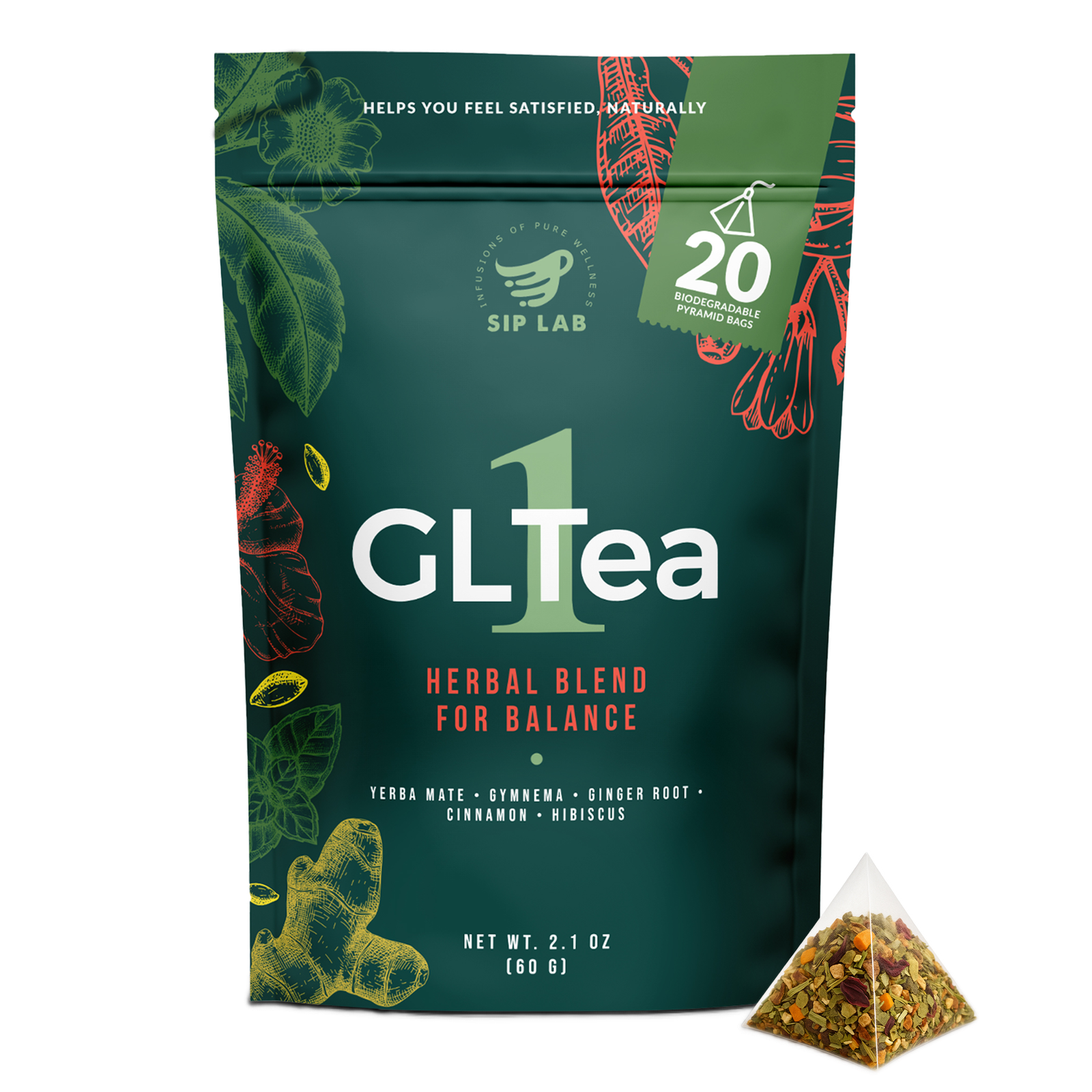
GLTea-1 — Herbal Blend for Balance
Yerba Mate + Gymnema + Ginger Root + Ceylon Cinnamon + Hibiscus
20 biodegradable pyramid bags • $12.99 (on sale) • Under $0.65/cup • No laxatives, no fillers