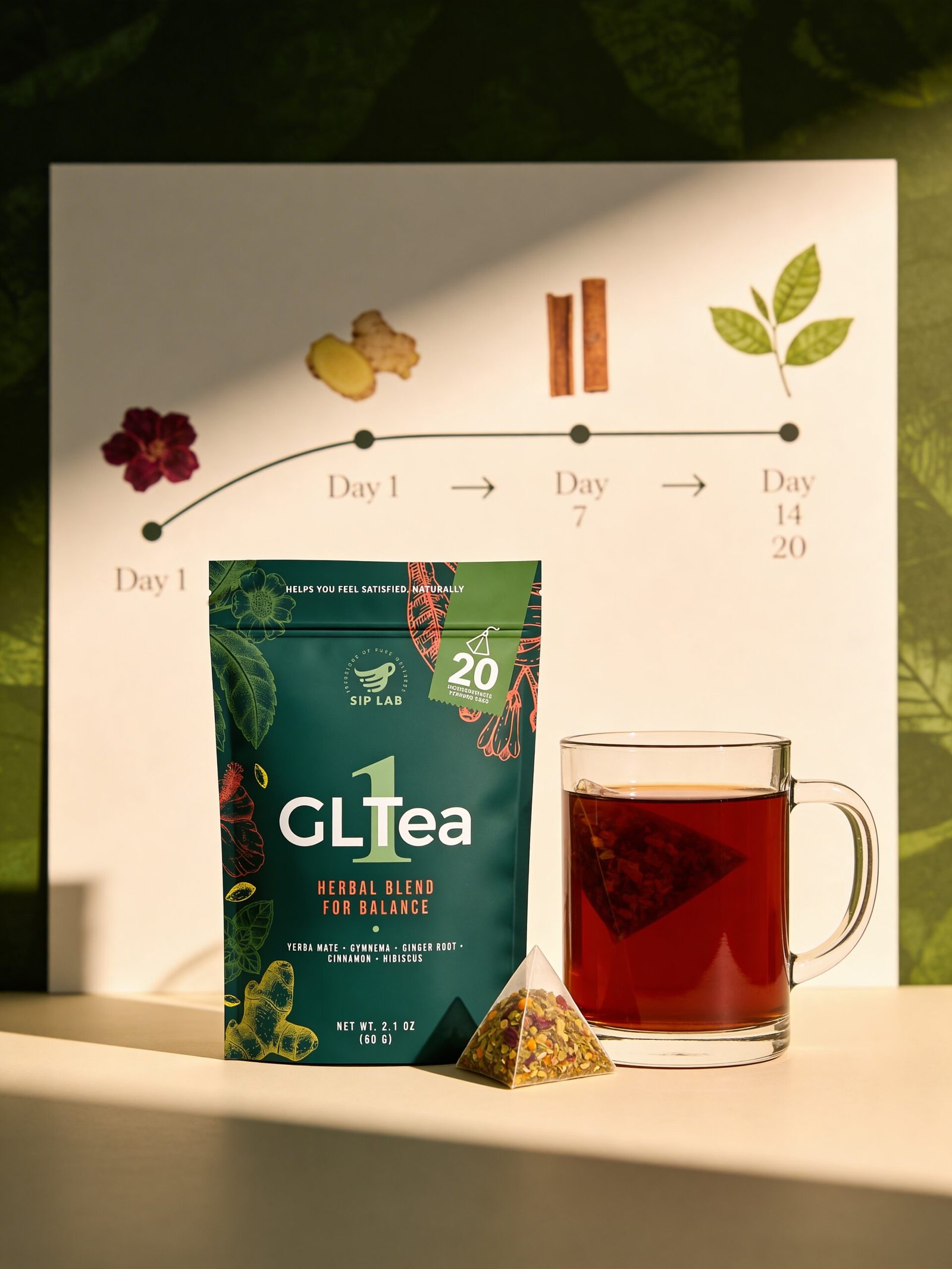
Satiety tea refers to herbal blends specifically formulated to promote feelings of fullness and reduce hunger between meals. Unlike detox teas that rely on laxatives, satiety‑focused teas work by supporting your body’s natural hunger regulation pathways—so you actually feel satisfied, not just temporarily lighter.
If your goal is to reduce cravings, eat smaller portions, and stay consistent with a calorie deficit, satiety tea can be a powerful tool. This guide explains what satiety tea is, how it works, which ingredients matter, and how to use it for maximum results.
What Does “Satiety” Mean?
Satiety is the physiological feeling of fullness that tells your brain you’ve eaten enough. It’s controlled by a complex system of hormones (GLP‑1, PYY, leptin, ghrelin), blood sugar stability, and stomach stretch receptors.
When satiety is high, you can go 3–5 hours between meals without constant cravings. When satiety is low, you feel hungry again within an hour or two—even after eating.
How Satiety Tea Works (The 4 Mechanisms)
Effective satiety teas target multiple mechanisms at once:
- Satiety hormone support (GLP‑1): Signals fullness to the brain and reduces hunger cues
- Gastric emptying delay: Keeps food in the stomach longer, creating physical fullness
- Blood sugar stabilization: Prevents crashes that trigger hunger rebounds
- Craving reduction: Especially for sugar and refined carbs
This is fundamentally different from “detox” teas, which cause temporary water loss without real appetite regulation.
Key Ingredients in Satiety Tea (Evidence‑Based)
1) Yerba Mate – GLP‑1 Stimulation
Yerba mate contains saponins and chlorogenic acid that increase GLP‑1 secretion in the gut. A 2015 study in Nutrients found that yerba mate increased satiety and reduced appetite in overweight adults. It also provides steady energy without the crash that can trigger cravings.
2) Gymnema Sylvestre – Craving Control
Gymnema blocks sweet taste receptors and reduces sugar absorption. This lowers cravings and helps break the psychological reward loop tied to sugar. Many users report that sweet foods taste less appealing for 1–2 hours after drinking Gymnema tea.
3) Ceylon Cinnamon – Blood Sugar Balance
Ceylon cinnamon improves insulin sensitivity and reduces blood sugar spikes that trigger hunger rebounds. (Ceylon is preferred over Cassia due to dramatically lower coumarin levels, making it safer for daily use.)
4) Ginger – Digestive Support
Ginger is thermogenic and can reduce perceived hunger. It also improves digestion, which helps reduce false hunger signals tied to bloating or discomfort.
5) Green Tea – Metabolic Support
EGCG in green tea increases fat oxidation and energy expenditure. While the effect is modest, it supports steady energy and reduces cravings over time.
Why GLP‑1 Matters for Fullness
GLP‑1 (glucagon‑like peptide‑1) is one of your body’s most powerful satiety hormones. When GLP‑1 rises after a meal, it signals your brain that you’ve had enough, slows gastric emptying, and improves insulin sensitivity. The result is less hunger, fewer cravings, and more stable energy.
Satiety teas that stimulate GLP‑1 (like yerba mate) create a natural, gentle version of this effect without pharmaceuticals or injections.
Satiety Tea vs. Detox Tea (Critical Difference)
Satiety Tea:
- Supports real appetite regulation
- Safe for daily use
- No laxatives or harsh stimulants
Detox Tea:
- Often contains senna or cascara (laxatives)
- Causes temporary water loss only
- Can lead to digestive dependence
If your goal is sustainable appetite control, satiety tea is the correct category—not detox teas.
How to Use Satiety Tea for Best Results
- Timing: Drink 30–60 minutes before meals
- Frequency: 1–3 cups per day
- Consistency: Use daily for 2–4 weeks to see full effects
Pairing satiety tea with protein‑rich meals amplifies the effect. Protein is the most satiating macronutrient, and it works synergistically with GLP‑1 support.
Sample Daily Schedule (Practical Use)
- Morning: Yerba mate or green tea to set appetite and energy for the day
- Before lunch: Gymnema tea to reduce cravings and portion size
- Afternoon: Green tea or cinnamon tea to prevent energy crashes
- Evening: Ginger tea to support digestion and reduce late‑night snacking
Who Should Use Satiety Tea?
- People who snack constantly between meals
- Anyone managing sugar cravings or afternoon crashes
- Those seeking a non‑pharmaceutical appetite support tool
- People who want an easier way to stay in a calorie deficit
Who Should Avoid or Be Cautious
- Pregnant or breastfeeding: Consult a doctor before using herbal blends
- Diabetes medications: Gymnema and cinnamon may enhance effects
- Caffeine sensitivity: Choose low‑caffeine blends if sensitive
Common Mistakes That Reduce Results
- Adding sugar or milk: This defeats the purpose and triggers cravings
- Using inconsistent timing: Satiety support works best before meals
- Relying on tea alone: It supports a deficit—it doesn’t replace one
FAQ: Satiety Tea
How long does it take to feel results?
Many people feel reduced hunger within the first week, but the strongest benefits build over 2–4 weeks of daily use.
Looking for a functional tea with these ingredients?
GLTea-1 combines yerba mate, gymnema, ginger, cinnamon, and hibiscus in a single daily cup. Learn more or shop on Amazon.
Can satiety tea replace meals?
No. It should support healthier portions, not replace food entirely. Pair with balanced meals for best results.
Can I drink satiety tea while fasting?
Yes, as long as it’s calorie‑free (no milk or sugar). It can help extend fasting windows by reducing hunger.
How many cups per day is optimal?
Most people do well with 2–3 cups per day. More isn’t necessarily better—consistency matters more than volume.
Is satiety tea safe long‑term?
Yes when it uses non‑laxative botanicals. Avoid any formula with senna or cascara if you plan to use it daily.
Evidence Snapshot: What Studies Suggest
While satiety tea is not a medical treatment, research supports the appetite‑regulating effects of its core botanicals. Yerba mate has been linked to increased satiety and fat oxidation, Gymnema to reduced sugar cravings and absorption, and cinnamon to improved insulin sensitivity. These effects are modest individually—but meaningful when combined consistently over time.
How Long to Use Before Judging Results
Give satiety tea at least 14–28 days before deciding whether it works for you. The first few days may feel subtle, but consistent use builds a stronger signal to the brain and helps stabilize appetite over weeks, not hours.
Best Pairings for Maximum Impact
- Protein + tea: amplifies GLP‑1 and reduces hunger
- Fiber + tea: slows digestion and smooths blood sugar
- Water + tea: hydration supports fullness and reduces false hunger
GLTea‑1: A Satiety‑Focused Formula
GLTea‑1 was designed specifically around satiety support:
- Yerba mate for GLP‑1 stimulation
- Gymnema for sugar‑craving reduction
- Ceylon cinnamon for blood sugar stability
- Ginger and green tea for metabolic support
It’s not a laxative or stimulant bomb. It’s a research‑driven formula built for sustainable appetite control.
Related: GLP-1 Tea: The Complete Guide to Botanical GLP-1 Support
Bottom Line
Satiety tea is a legitimate, science‑backed tool for appetite control—when made with the right ingredients. If you’re trying to reduce hunger without harsh stimulants or medications, a satiety‑focused tea can help you feel full longer, reduce cravings, and stay consistent with your goals.
What to Expect in Week 1 vs. Week 4
Week 1: Mild reduction in hunger, fewer snack impulses, and improved hydration from hot liquids. You may also notice sugar tasting slightly less appealing if the blend contains Gymnema.
Week 4: More stable appetite, fewer energy crashes, and easier portion control—especially when paired with protein and fiber. The effect is cumulative and depends on consistency.
How Satiety Tea Supports Amazon‑Funnel Goals
From a user journey perspective, satiety tea education attracts high‑intent search traffic (e.g., “best appetite suppressing tea,” “satiety tea,” “GLP‑1 tea”). When readers learn the mechanism and see ingredient credibility, they are more likely to try a targeted formula like GLTea‑1 on Amazon. The content should educate, build trust, and make the next step obvious.
Related Reading
Best Weight Loss Tea (2026): What Actually Works
Best Weight Loss Teas Compared: What’s Actually in Your Cup
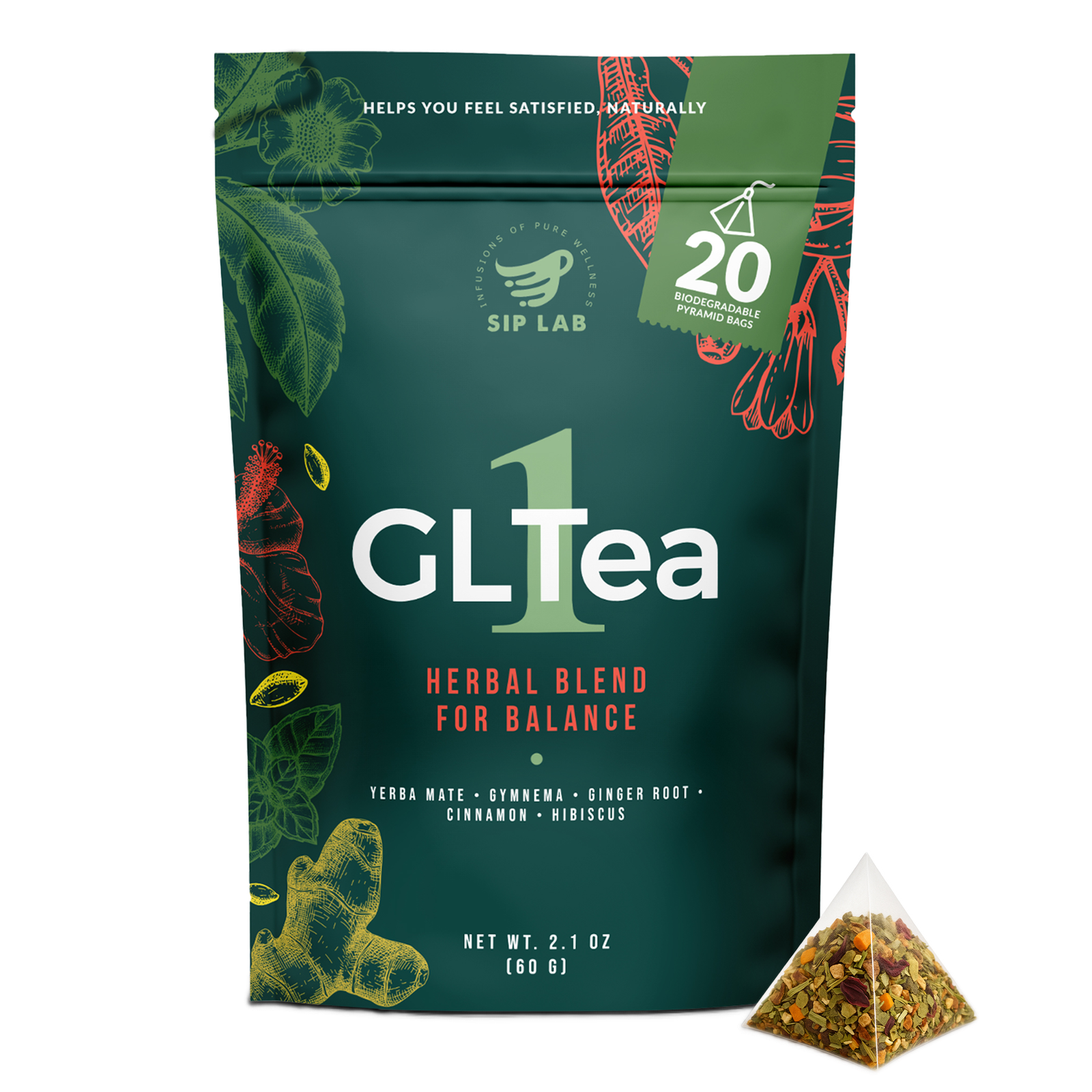
GLTea-1 — Herbal Blend for Balance
Yerba Mate + Gymnema + Ginger Root + Ceylon Cinnamon + Hibiscus
20 biodegradable pyramid bags • $12.99 (on sale) • Under $0.65/cup • No laxatives, no fillers