February 3, 2026

How to Use Tea for Weight Management: A Structured Daily Approach

Using tea for weight management can be highly effective—but only if you use it strategically. Drinking random “weight loss tea” won’t produce meaningful results. The key is to use specific teas at the right times, paired with a consistent nutrition strategy.

How Tea Supports Weight Management

  • Appetite control: Certain teas reduce hunger and cravings
  • Metabolism support: Catechins and caffeine increase fat oxidation
  • Blood sugar stability: Herbs like cinnamon smooth glucose spikes
  • Behavioral replacement: Tea replaces snacking rituals

The Daily Tea Schedule (Best Practice)

Morning

Yerba Mate or Green Tea – boosts energy and reduces appetite for the day.

Mid‑Morning

Green tea or oolong – maintains fat‑burning and prevents early cravings.

Before Lunch

Gymnema tea – reduces sugar cravings and portion size.

Mid‑Afternoon

Yerba Mate or cinnamon tea – prevents 3pm crash and snacking.

Before Dinner

Gymnema or ginger tea – supports satiety and digestion.

Evening

Ginger or peppermint tea – aids digestion and replaces dessert rituals.

Best Teas for Weight Management

  • Yerba Mate: GLP‑1 stimulation + energy
  • Green Tea: EGCG for fat oxidation
  • Gymnema: sugar‑craving control
  • Ceylon Cinnamon: blood sugar balance
  • Ginger: thermogenesis + digestion

Common Mistakes

  • Adding sugar/milk (kills benefits)
  • Using tea without diet strategy
  • Relying on laxative detox teas

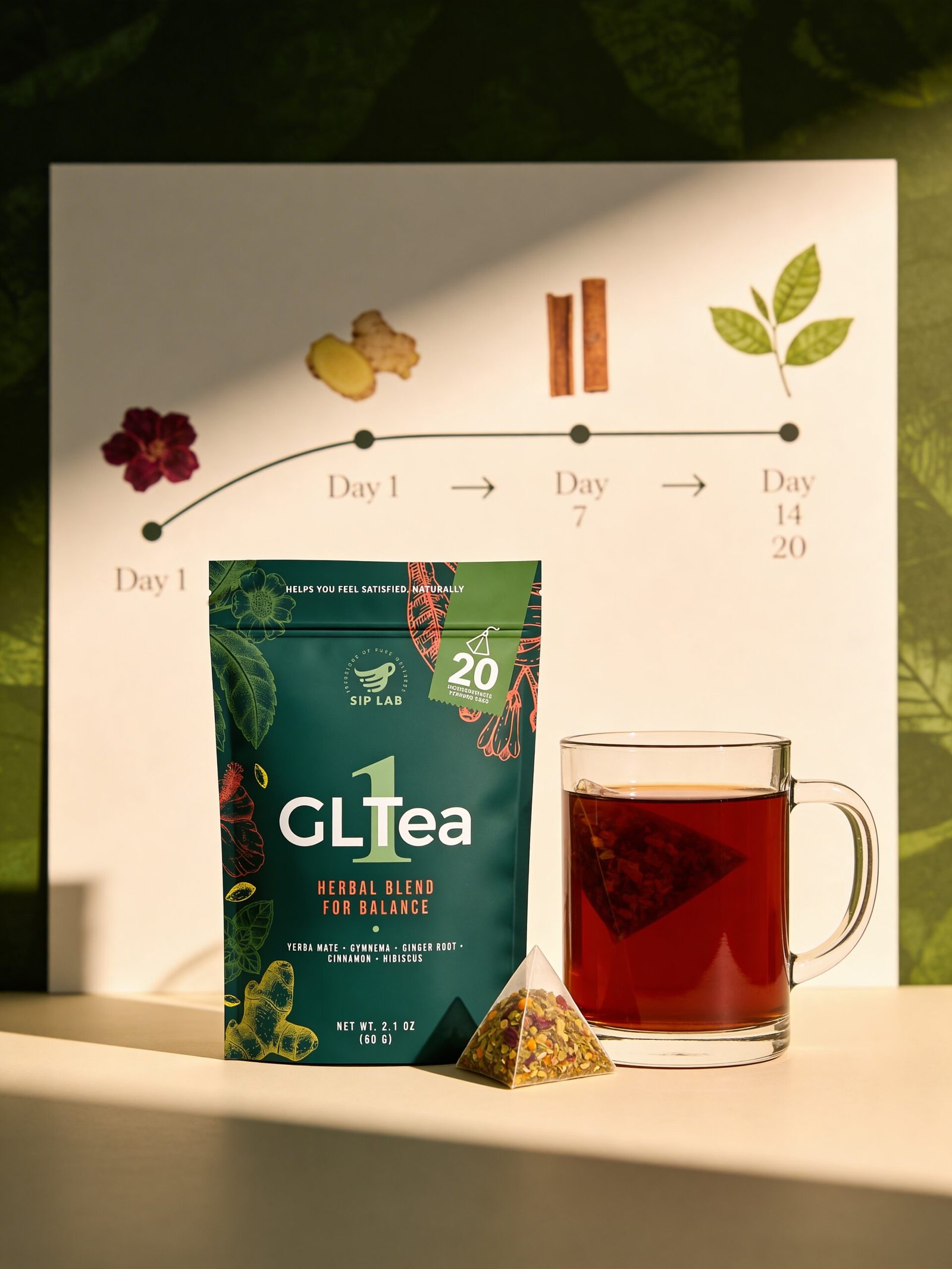
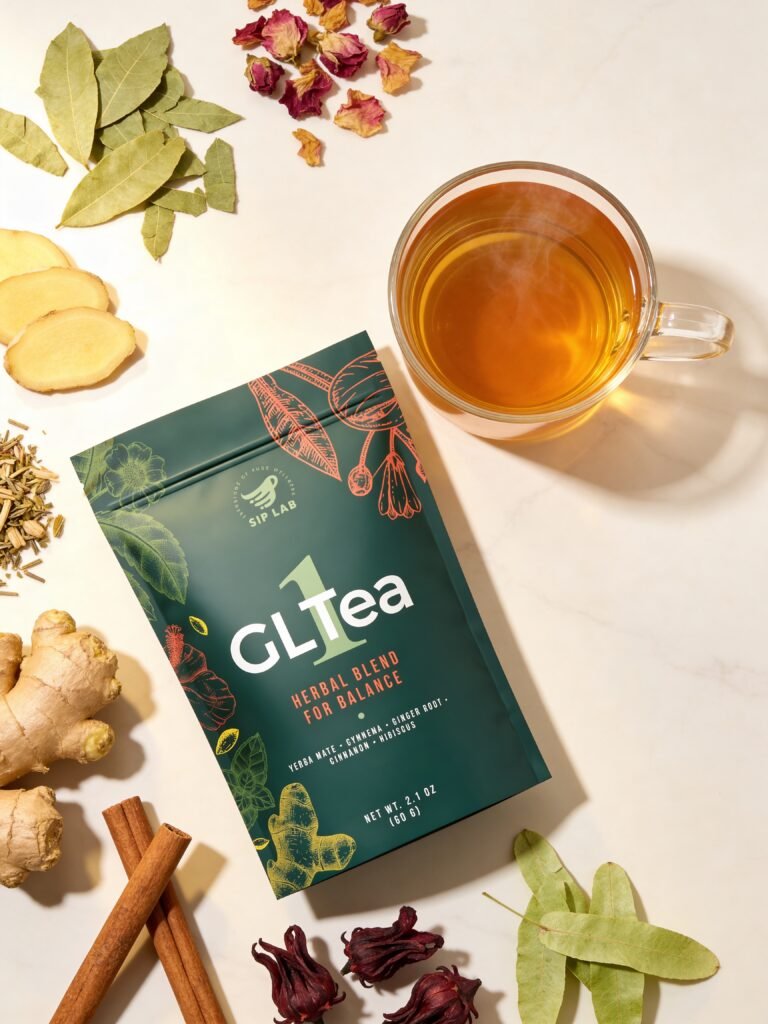
GLTea‑1: A Complete Formula

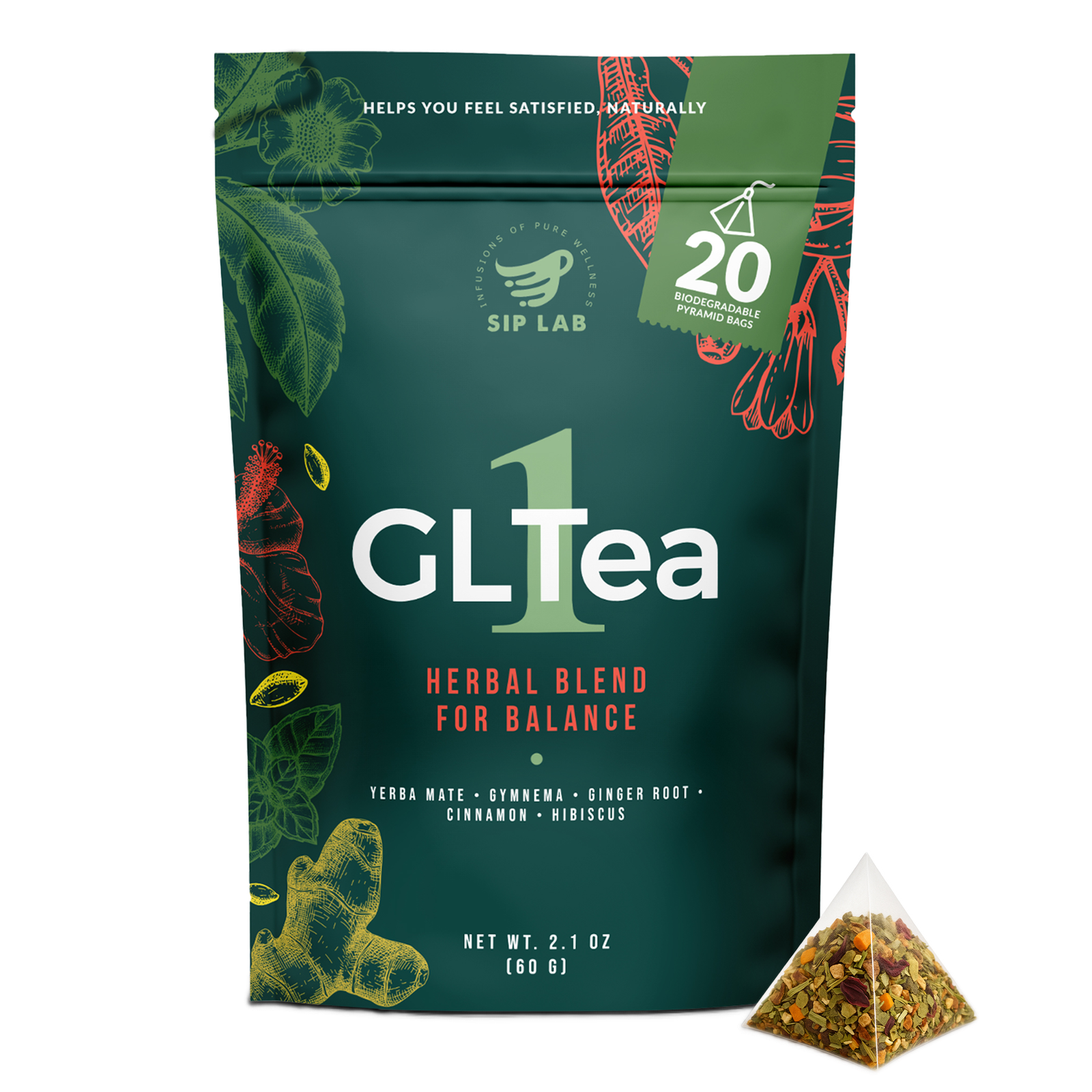
GLTea‑1 combines Yerba Mate, Gymnema, Ceylon cinnamon, and other botanicals into one formula—removing the need for multiple teas.

Bottom Line

Tea supports weight management when used strategically. Focus on appetite control and blood sugar stability, and make tea part of a consistent daily routine.

Evidence Snapshot

Meta‑analyses on green tea show increased energy expenditure and fat oxidation. Yerba mate studies show reduced appetite and delayed gastric emptying. Gymnema studies show reduced sugar intake and improved glucose response. These effects are modest but meaningful when combined daily.

Practical Tips

  • Start with 2 cups/day and build to 3
  • Drink 30–60 minutes before meals
  • Pair with high‑protein meals for stronger satiety

FAQ

Can tea replace meals?

No. Tea supports portion control but shouldn’t replace meals.

Does tea work without diet changes?

It helps, but real results require a calorie deficit.

Evidence Snapshot

Meta‑analyses on green tea show increased energy expenditure and fat oxidation. Yerba mate studies show reduced appetite and delayed gastric emptying. Gymnema studies show reduced sugar intake and improved glucose response. These effects are modest but meaningful when combined daily.

Practical Tips

  • Start with 2 cups/day and build to 3
  • Drink 30–60 minutes before meals
  • Pair with high‑protein meals for stronger satiety

FAQ

Can tea replace meals?

No. Tea supports portion control but shouldn’t replace meals.

Does tea work without diet changes?

It helps, but real results require a calorie deficit.

Evidence Snapshot

Meta‑analyses on green tea show increased energy expenditure and fat oxidation. Yerba mate studies show reduced appetite and delayed gastric emptying. Gymnema studies show reduced sugar intake and improved glucose response. These effects are modest but meaningful when combined daily.

Practical Tips

  • Start with 2 cups/day and build to 3
  • Drink 30–60 minutes before meals
  • Pair with high‑protein meals for stronger satiety

FAQ

Can tea replace meals?

No. Tea supports portion control but shouldn’t replace meals.

Does tea work without diet changes?

It helps, but real results require a calorie deficit.

Evidence Snapshot

Meta‑analyses on green tea show increased energy expenditure and fat oxidation. Yerba mate studies show reduced appetite and delayed gastric emptying. Gymnema studies show reduced sugar intake and improved glucose response. These effects are modest but meaningful when combined daily.

Practical Tips

  • Start with 2 cups/day and build to 3
  • Drink 30–60 minutes before meals
  • Pair with high‑protein meals for stronger satiety

FAQ

Can tea replace meals?

No. Tea supports portion control but shouldn’t replace meals.

Does tea work without diet changes?

It helps, but real results require a calorie deficit.

Evidence Snapshot

Meta‑analyses on green tea show increased energy expenditure and fat oxidation. Yerba mate studies show reduced appetite and delayed gastric emptying. Gymnema studies show reduced sugar intake and improved glucose response. These effects are modest but meaningful when combined daily.

Practical Tips

  • Start with 2 cups/day and build to 3
  • Drink 30–60 minutes before meals
  • Pair with high‑protein meals for stronger satiety

FAQ

Can tea replace meals?

No. Tea supports portion control but shouldn’t replace meals.

Does tea work without diet changes?

It helps, but real results require a calorie deficit.

Evidence Snapshot

Meta‑analyses on green tea show increased energy expenditure and fat oxidation. Yerba mate studies show reduced appetite and delayed gastric emptying. Gymnema studies show reduced sugar intake and improved glucose response. These effects are modest but meaningful when combined daily.

Practical Tips

  • Start with 2 cups/day and build to 3
  • Drink 30–60 minutes before meals
  • Pair with high‑protein meals for stronger satiety

FAQ

Can tea replace meals?

No. Tea supports portion control but shouldn’t replace meals.

Does tea work without diet changes?

It helps, but real results require a calorie deficit.

Evidence Snapshot

Meta‑analyses on green tea show increased energy expenditure and fat oxidation. Yerba mate studies show reduced appetite and delayed gastric emptying. Gymnema studies show reduced sugar intake and improved glucose response. These effects are modest but meaningful when combined daily.

Practical Tips

  • Start with 2 cups/day and build to 3
  • Drink 30–60 minutes before meals
  • Pair with high‑protein meals for stronger satiety

FAQ

Can tea replace meals?

No. Tea supports portion control but shouldn’t replace meals.

Does tea work without diet changes?

It helps, but real results require a calorie deficit.

Evidence Snapshot

Meta‑analyses on green tea show increased energy expenditure and fat oxidation. Yerba mate studies show reduced appetite and delayed gastric emptying. Gymnema studies show reduced sugar intake and improved glucose response. These effects are modest but meaningful when combined daily.

Practical Tips

  • Start with 2 cups/day and build to 3
  • Drink 30–60 minutes before meals
  • Pair with high‑protein meals for stronger satiety

FAQ

Can tea replace meals?

No. Tea supports portion control but shouldn’t replace meals.

Does tea work without diet changes?

It helps, but real results require a calorie deficit.

Evidence Snapshot

Meta‑analyses on green tea show increased energy expenditure and fat oxidation. Yerba mate studies show reduced appetite and delayed gastric emptying. Gymnema studies show reduced sugar intake and improved glucose response. These effects are modest but meaningful when combined daily.

Practical Tips

  • Start with 2 cups/day and build to 3
  • Drink 30–60 minutes before meals
  • Pair with high‑protein meals for stronger satiety

FAQ

Can tea replace meals?

No. Tea supports portion control but shouldn’t replace meals.

Does tea work without diet changes?

It helps, but real results require a calorie deficit.

Evidence Snapshot

Meta‑analyses on green tea show increased energy expenditure and fat oxidation. Yerba mate studies show reduced appetite and delayed gastric emptying. Gymnema studies show reduced sugar intake and improved glucose response. These effects are modest but meaningful when combined daily.

Practical Tips

  • Start with 2 cups/day and build to 3
  • Drink 30–60 minutes before meals
  • Pair with high‑protein meals for stronger satiety

FAQ

Can tea replace meals?

No. Tea supports portion control but shouldn’t replace meals.

Does tea work without diet changes?

It helps, but real results require a calorie deficit.

The Bottom Line on Tea for Weight Management

Tea is not a weight loss shortcut. But used strategically — the right botanicals, at the right time, as part of a calorie-conscious approach — it is one of the most effective natural tools available for making the process more comfortable and sustainable.

The goal is not to suppress appetite to the point of discomfort. It is to quiet unnecessary hunger, stabilize blood sugar, and keep cravings from derailing the consistent effort that actually produces results over time. GLTea-1 was built for exactly that purpose.
Try GLTea-1 on Amazon →

GLTea-1

Ready to Try GLTea-1?

8 functional botanicals. Full transparency. No laxatives. Real satiety support.

Buy on Amazon